

Some links in this article may be affiliate links, which means we may earn a commission at no extra cost to you.
- How to Choose the Best Kids Lunch Boxes and Backpacks
- Backpacks That Last the Year
- Preschool and Kindergarten Mini Backpacks
- Classic School Backpacks
- Backpacks with Chest Straps and Padded Backs
- Rolling Backpacks
- Lunch Boxes and Food Containers
- Bento-Style Lunch Boxes
- Insulated Food Jars
- Insulated Lunch Bags
- Reusable Snack Bags and Small Containers
- Water Bottles That Survive the Year
- What to Label and How
- A Simple Pre-School-Year Checklist
Every September starts with a shiny new backpack, and by October the zipper has split, the lunch box smells like a science experiment and the water bottle is somewhere in the lost property bin. Buying the best kids lunch boxes and backpacks isn't about spending the most. It's about knowing which features actually survive a school year. Here's what to look for, by category, for kids aged 4 to 12.
Price ranges below are rough US estimates and change often, so check current prices before you buy.
How to Choose the Best Kids Lunch Boxes and Backpacks
Three questions sort most of the options. Can your child open, close and carry it alone? Can you clean it in under two minutes on a Sunday night? And will it fit where it needs to go, whether that's a cubby, a desk hook or a side pocket? Gear that passes all three tends to make it to June.
Backpacks That Last the Year
Preschool and Kindergarten Mini Backpacks
Small backpacks for ages 4 to 6 hold a folder, a spare set of clothes and a snack, and that's all they need to. A full-size pack on a four-year-old looks sweet in photos and then drags at the back of their knees all year. Look for a pack that sits between the shoulders and the waist, a wide opening a small child can manage alone, a name tag window, and wipeable fabric. Care tip: empty it every Friday, because forgotten banana is a smell you won't forget. Many parents like the animal-themed packs from Skip Hop. Expect roughly $20 to $40.
Classic School Backpacks
For ages 6 to 12, a simple, well-made backpack with padded straps and one or two main compartments does the job better than anything with a dozen pockets. Look for heavy-duty fabric, stitched (not glued) seams at the strap joins, and large zippers that a child can pull with cold hands. A lifetime or long warranty is a good sign of confidence in the build. Care tip: most fabric packs can be hand-washed and air-dried, never tumble-dried. JanSport and L.L.Bean are long-running names known for durable school packs. Roughly $35 to $70.
Backpacks with Chest Straps and Padded Backs
Older kids with heavier books and a laptop benefit from a pack that spreads the load. A padded back panel, wide shoulder straps and a chest strap all help keep the weight close to the body. These suit ages 9 to 12, or any child who complains about sore shoulders. The American Academy of Pediatrics backpack safety tips cover how heavy a loaded pack should be and how to adjust it, so check them before you buy. The drawback: these packs are bulkier and don't always fit school cubbies. Care tip: loosen all straps before washing. Roughly $40 to $80.
Rolling Backpacks
Rolling backpacks take the weight off a child's back entirely, which makes them popular with kids who carry heavy books. They suit ages 7 and up. Before you buy one, check with the school, because some schools don't allow them or have stairs that make them impractical. Look for a sturdy telescoping handle, wheels that can be replaced, and straps so it can be worn as a normal backpack when needed. The drawbacks are weight (the frame adds a lot), noise in corridors, and a tendency to tip over when overloaded. Care tip: wipe the wheels regularly so grit doesn't wreck the bearings. Around $40 to $90.
Lunch Boxes and Food Containers
Bento-Style Lunch Boxes
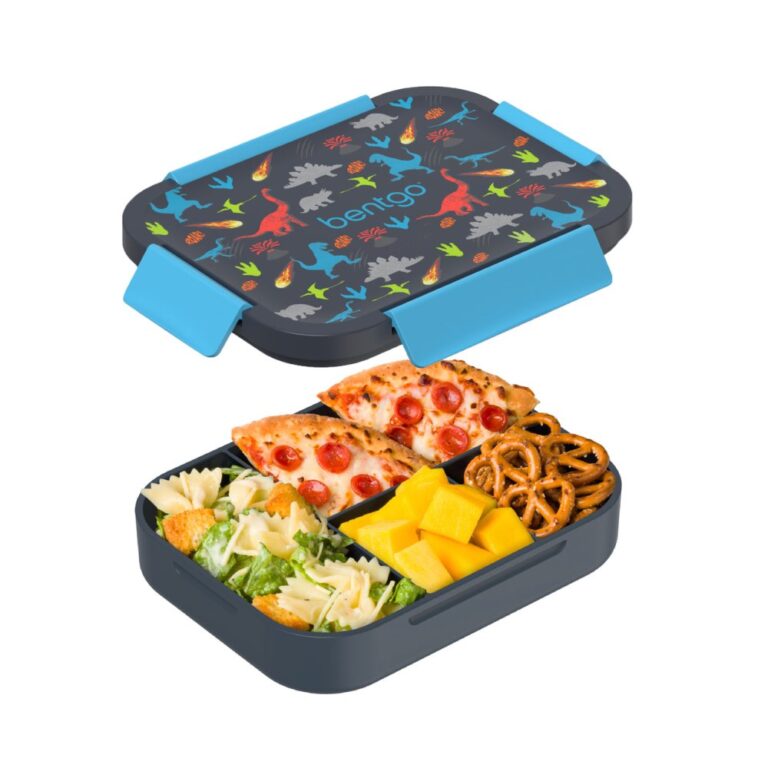
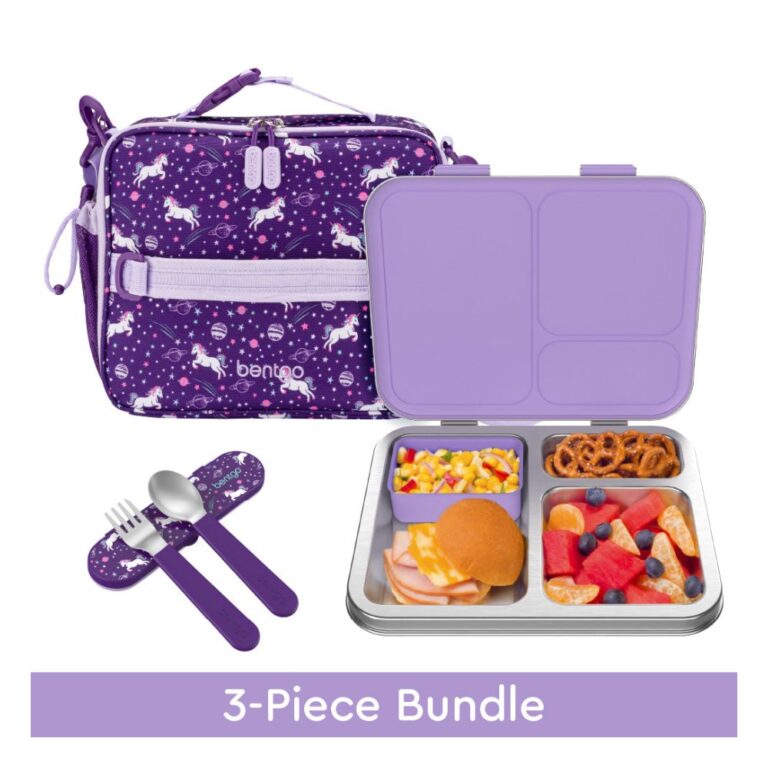
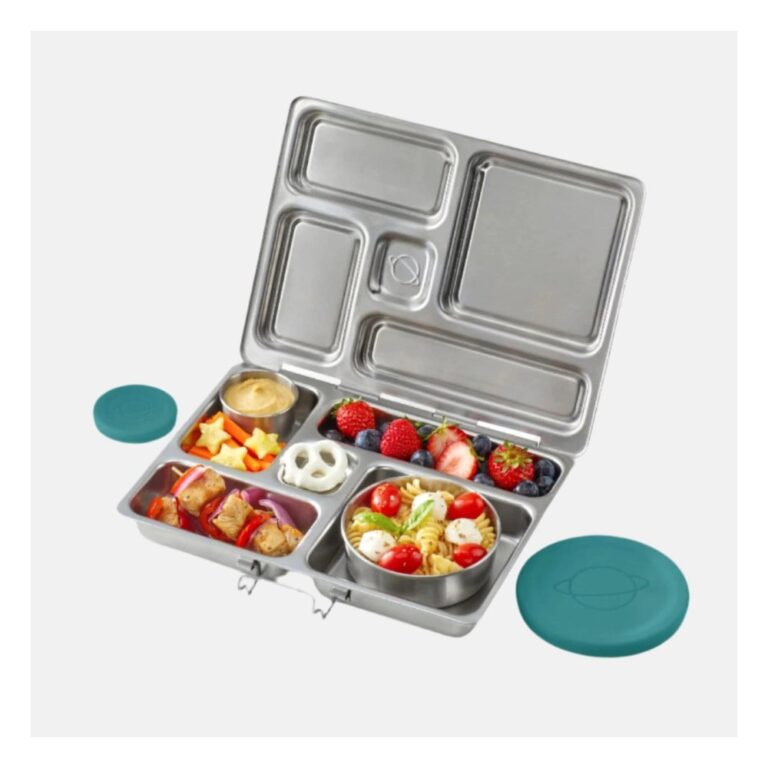
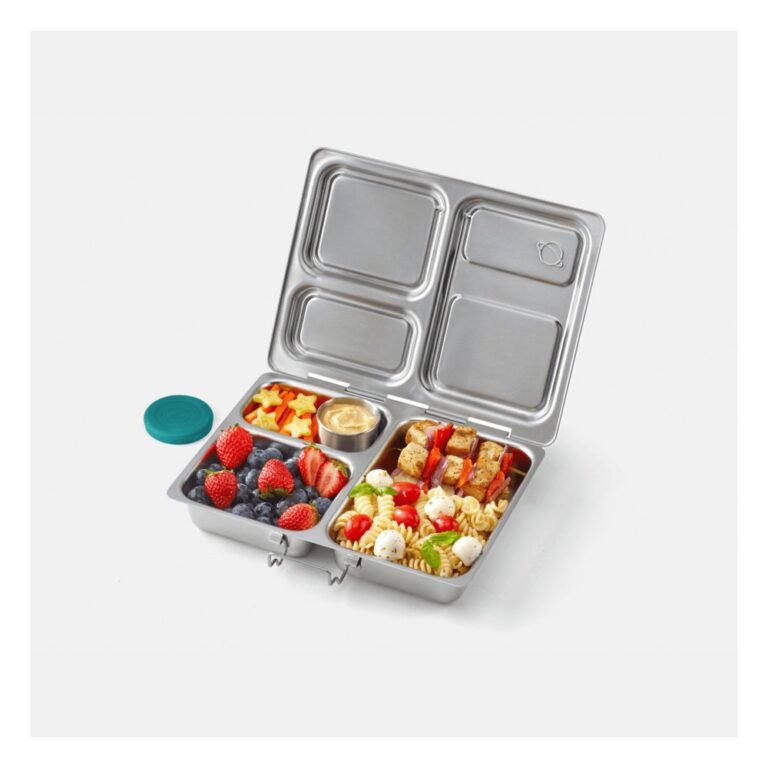
Bento boxes have several built-in compartments, so a sandwich, fruit, crackers and a treat each get their own space and nothing turns soggy. They suit ages 4 and up, and they are especially good for picky eaters who hate foods touching. Look for a leak-resistant seal, a latch that a young child can open alone (practise at home first), and dishwasher-safe parts. The drawback: rigid bentos are bulky and don't flex into a crowded backpack. Care tip: remove silicone seals to wash them, since that's where the smell lives. Bentgo and PlanetBox are popular options. Roughly $25 to $60.
Insulated Food Jars
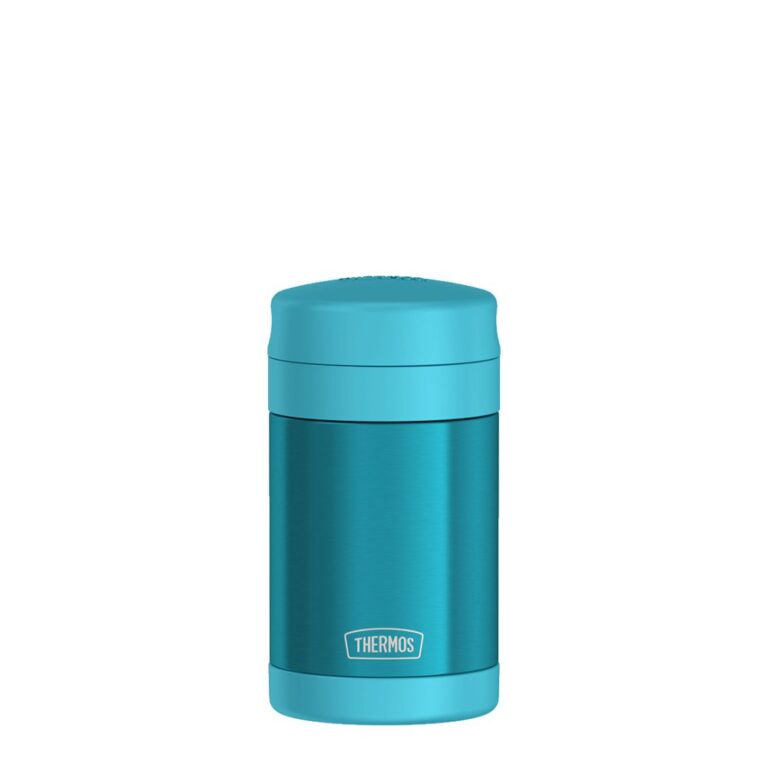
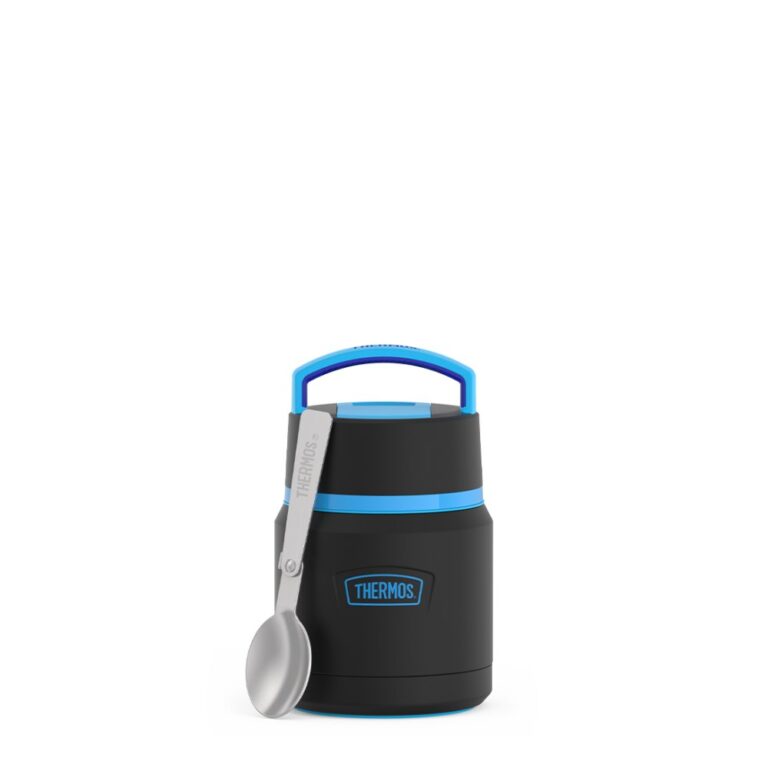
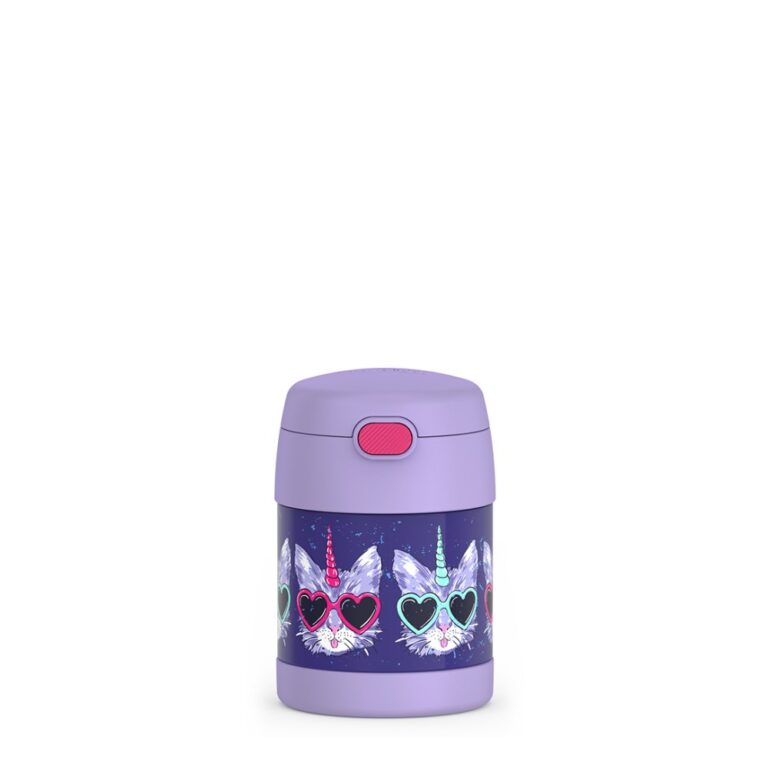
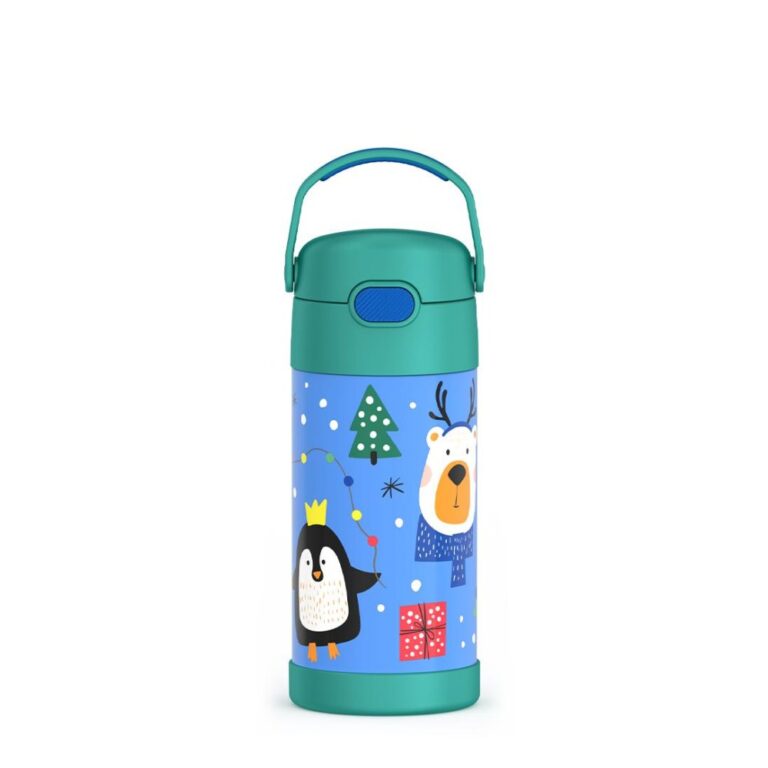
An insulated food jar keeps soup, pasta or leftovers warm until lunchtime, which opens up a lot more lunch options than sandwiches every day. They suit ages 5 and up, once a child can open a screw lid. Look for a wide mouth for easy eating and cleaning, a lid that a small hand can grip, and a size that fits the lunch bag. Pre-heat the jar with hot water for a few minutes before filling for the best results. The drawback: they can be tricky for young kids to open, and a leak inside a backpack is memorable. Thermos makes the well-known Funtainer range for kids. About $20 to $35.
Insulated Lunch Bags
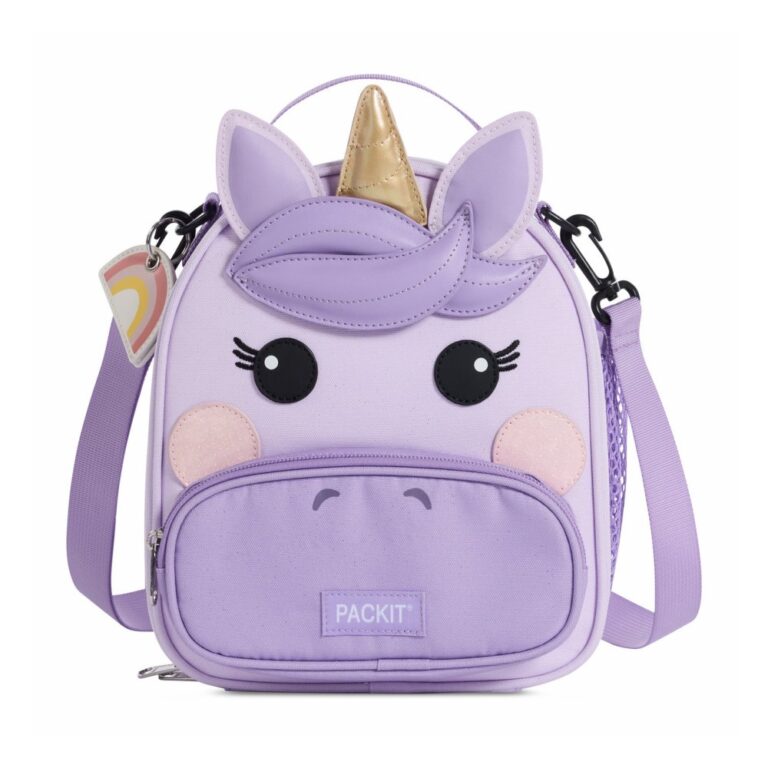
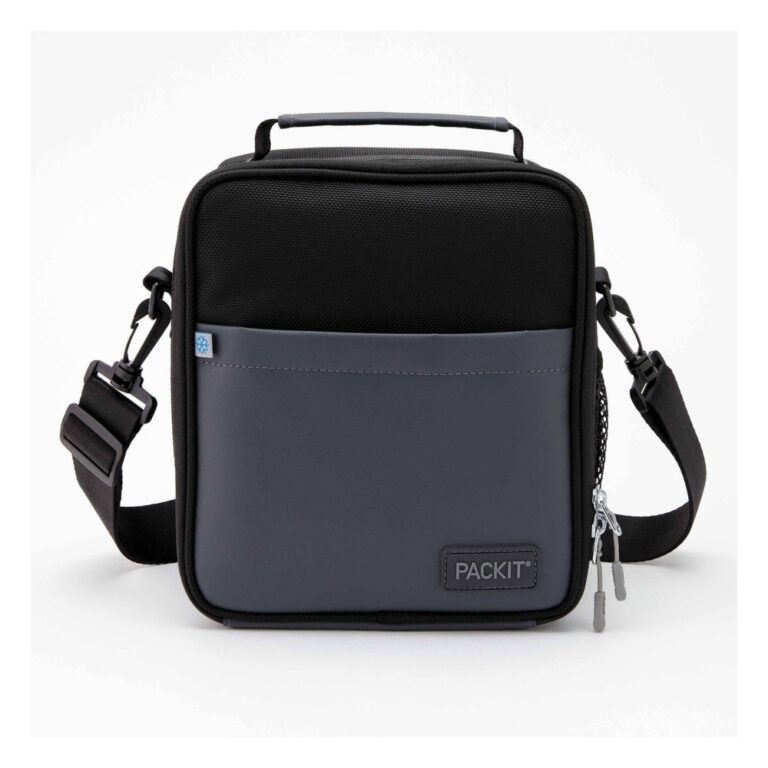
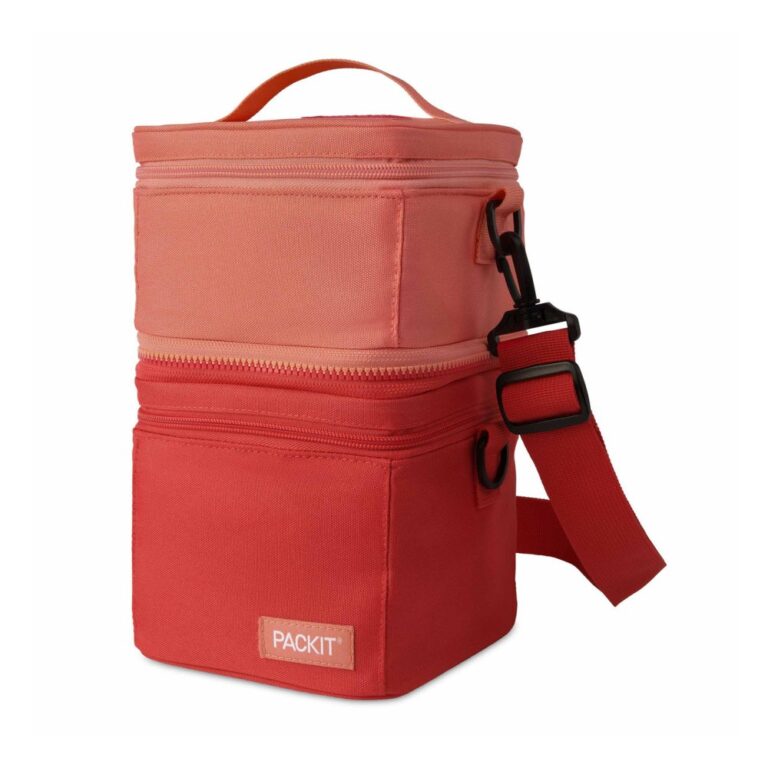
A soft insulated lunch bag holds a bento box or containers plus an ice pack, keeps yogurt cold until noon, and squashes into a backpack. They suit all ages. Look for a wipeable lining, a sturdy zipper, a handle, and enough depth for your containers. Some bags have a freezable gel lining built in, which saves hunting for ice packs each morning. The drawback: fabric bags get grubby and need a weekly wipe. Care tip: leave it open overnight to air out. PackIt makes freezable lunch bags, and most kids' brands sell a basic insulated bag. Roughly $15 to $35.
Reusable Snack Bags and Small Containers
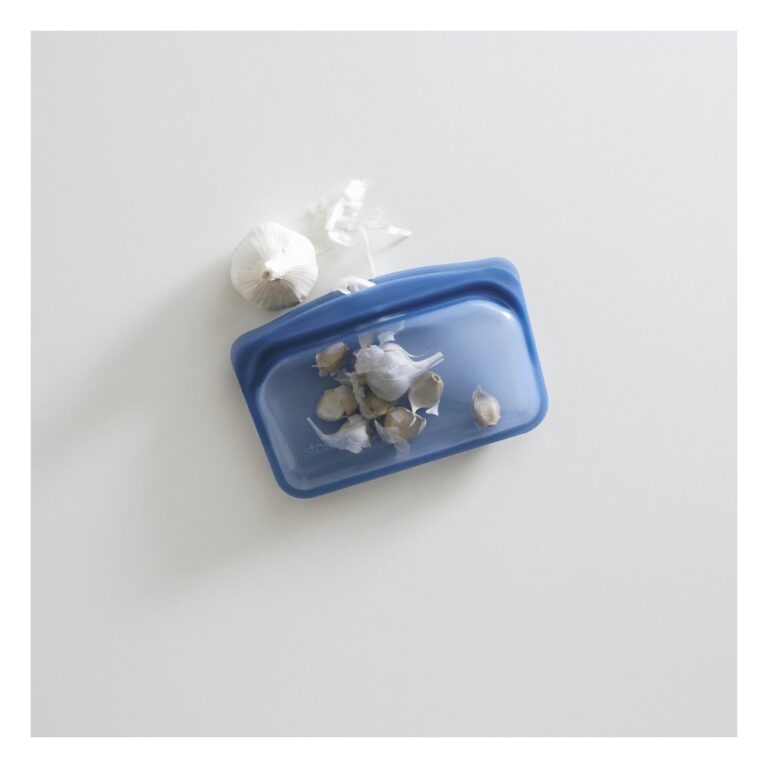
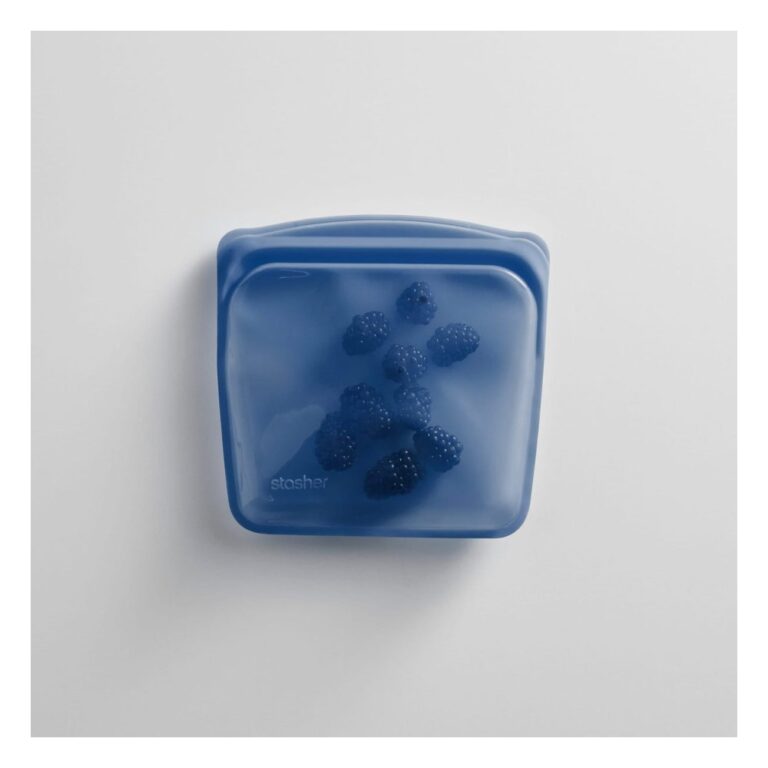
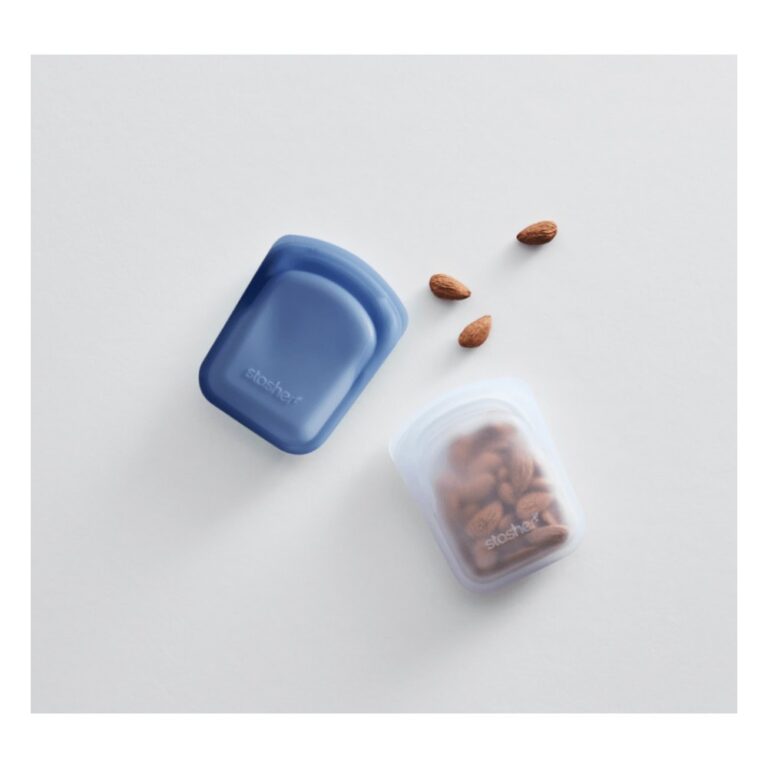
Small reusable bags and pots are what hold the crackers, cut fruit and snacks that make up most of a school day's eating. They save money on disposable bags and fit neatly around a main lunch box. Look for silicone bags that can go in the dishwasher, or small containers with lids that actually stay on. Buy a few extra, because at least one will not come home. The drawback: silicone bags can hold on to smells from strong foods. Care tip: dry them fully, open, before storing. Stasher makes silicone reusable bags. About $10 to $30 for a set.
Water Bottles That Survive the Year
Straw-Lid Kids' Bottles
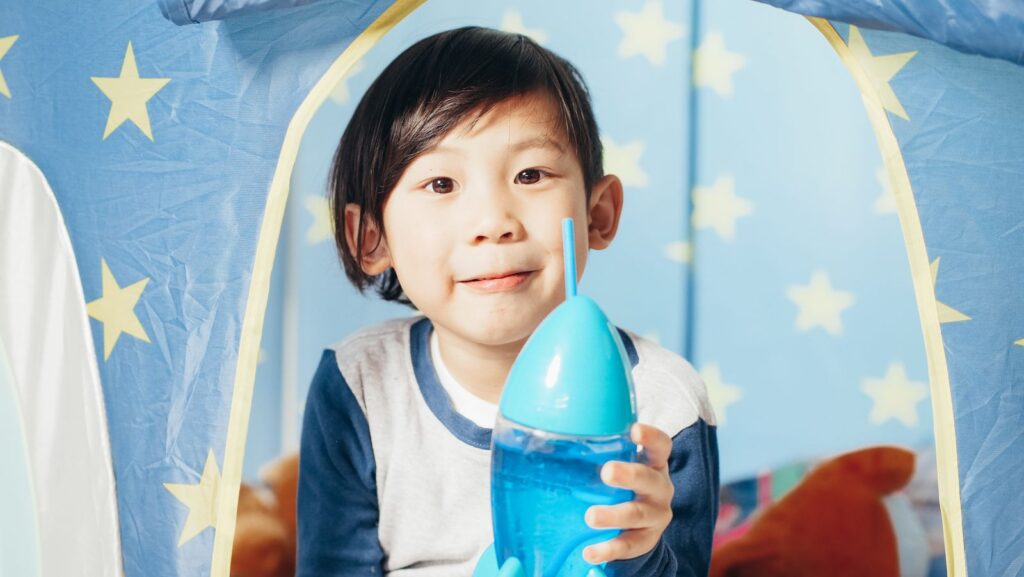
Straw-lid bottles let kids sip without tipping the bottle, which makes them easier for younger children and less likely to soak a desk. They suit ages 4 to 8 especially. Look for a lid that locks, a spill-proof bite valve, and a straw that pulls out for cleaning. Replacement straws and valves are useful, since those parts wear out before the bottle does. The drawback: the valve and straw need regular cleaning or they grow mould. Care tip: use a thin straw brush weekly. CamelBak makes popular kids' straw bottles. Roughly $12 to $25.
Insulated Stainless Steel Bottles
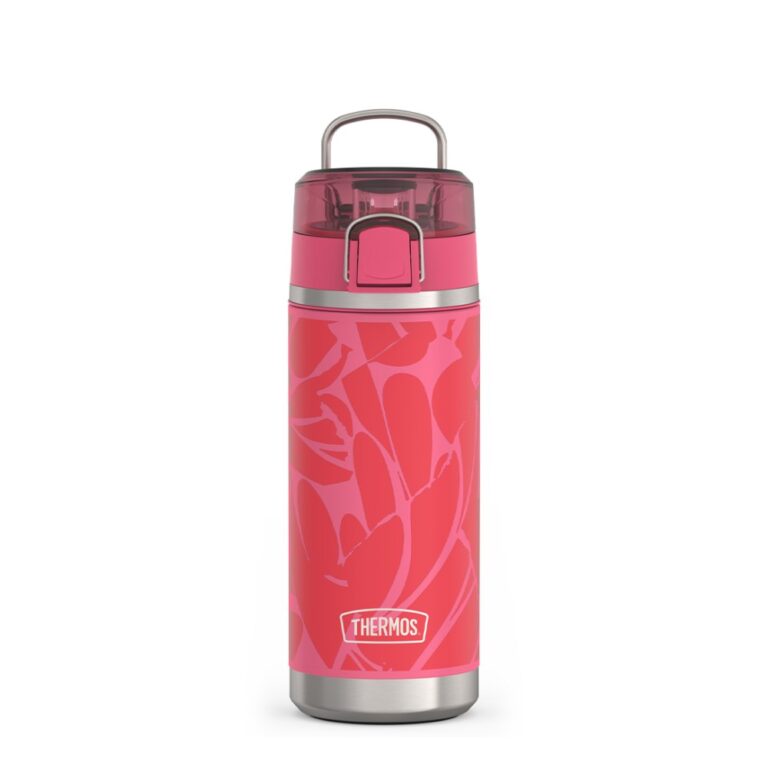
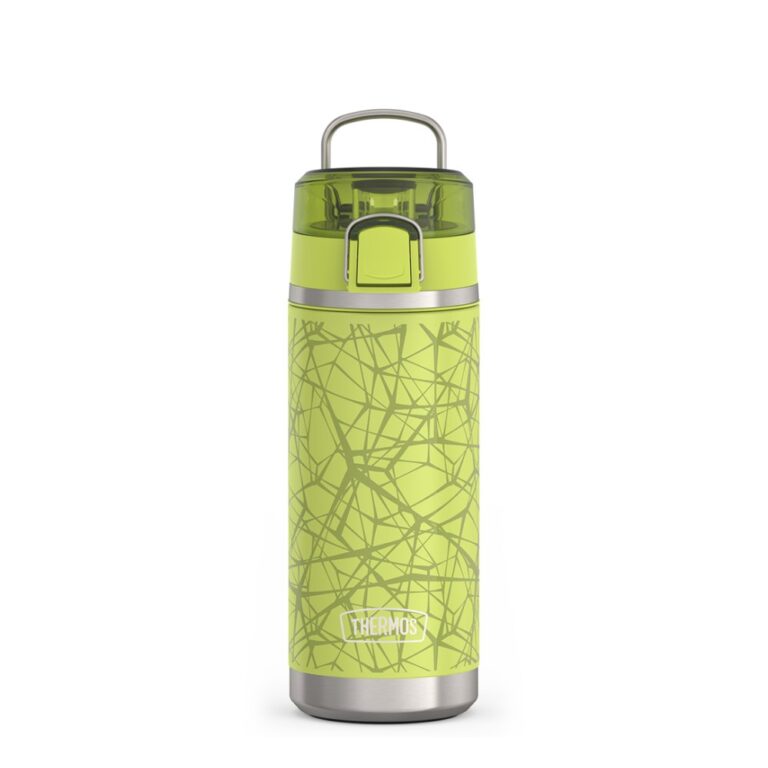
A double-walled stainless steel bottle keeps water cold through a warm school day and stands up to being dropped (though it will dent). They suit ages 5 and up. Look for a lid a child can open alone, a size that fits the backpack side pocket, and a powder-coated finish that grips better. The drawback: they're heavier than plastic and more expensive to lose. Care tip: hand-wash unless the maker says the bottle is dishwasher safe, as heat can damage the insulation. Thermos and Owala both make insulated kids' bottles. About $20 to $40.
A Cheap Backup Bottle
A lightweight, inexpensive plastic bottle is the unglamorous hero of the school year. It lives in the kitchen and saves the day when the good bottle is left at school or at a friend's house. Look for BPA-free plastic, a simple screw or flip lid, and dishwasher-safe parts. Choose a different color so it's never confused with the main bottle. The drawback: cheap lids crack eventually, but at this price that's fine. Care tip: replace it once it starts to scratch or smell. Most supermarkets and kids' brands sell these for around $5 to $15.
What to Label and How
Label everything that leaves the house: backpacks, lunch boxes, every container lid, bottles, jackets and hats. Dishwasher-safe stick-on labels work for containers and bottles, while clothing labels should be iron-on or stick-on labels made for laundry. A permanent marker on the inside of a backpack is free and works fine too. Brands like Mabel's Labels and Name Bubbles sell mixed packs made for school. Many schools also have allergy policies about which foods can go in lunch boxes, so check with your school, and see FARE for general food allergy information.
A Simple Pre-School-Year Checklist
- Check last year's gear. Test zippers, seals, straps and lids before buying anything new.
- Ask the school. Find out about backpack size, rolling bags and food allergy rules.
- Measure the cubby. A pack that doesn't fit becomes a daily problem.
- Do a lunch dry run. Let your child open every box, jar and bottle alone.
- Label everything. Lids, bottles, bags and jackets.
- Buy spare parts. Extra bottle straws, an ice pack and a backup bottle.