

Some links in this article may be affiliate links, which means we may earn a commission at no extra cost to you.
- The Sensory Toys for Babies That Grow With Them
- 1. High-Contrast Toys and Cards
- 2. Rattles and Clutching Toys
- 3. Teethers
- 4. Gumline Feeders and Frozen Teething Treats
- 5. Play Gyms and Tummy Time Toys
- 6. Soft Take-Along Toys
- 7. Sensory Blocks and Textured Toys
- 8. Musical Toys
- 9. Rolling and Cause-and-Effect Toys
- Safety First for Baby Toys
- Simple Sensory Games to Play Together
- Choosing Safe Materials
- How Many Toys Does a Baby Really Need?
- A First-Year Sensory Starter Set
In the first year, a baby's favourite toy changes almost weekly: a black-and-white card at six weeks, a rattle at three months, and by nine months, mostly your phone, your keys and the remote. Babies learn through their senses, so the best sensory toys for babies are simple things they can look at, grab, shake, chew and bang. You don't need a nursery full of them. Here are nine kinds that earn their place, grouped roughly by age, with the honest drawback for each.
Price ranges below are rough US estimates and change often, so check current prices before you buy.
The Sensory Toys for Babies That Grow With Them
1. High-Contrast Toys and Cards
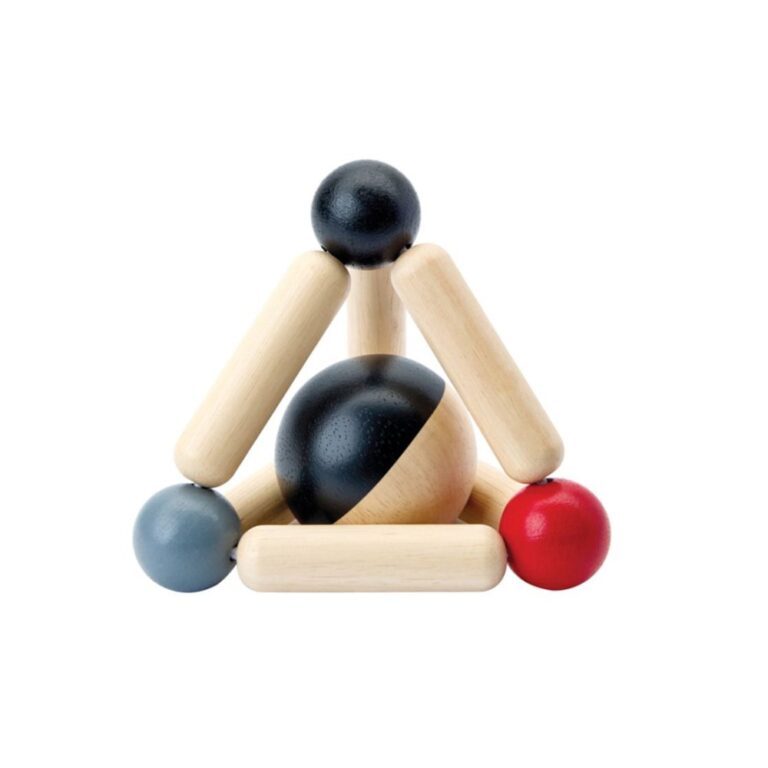
Newborns can't see much detail or colour yet, but bold black-and-white patterns grab their attention. High-contrast cards, soft books and toys give young babies something interesting to focus on during tummy time and quiet awake moments. They suit roughly birth to 4 months. Look for bold, simple shapes, safe materials for mouthing, and cards thick enough to stand up. Prop a card beside your baby during tummy time, or hold it about a foot from their face and move it slowly. The drawback: they have a short window of usefulness, so don't overspend. PlanToys makes wooden high-contrast rattles and clutching toys.
2. Rattles and Clutching Toys
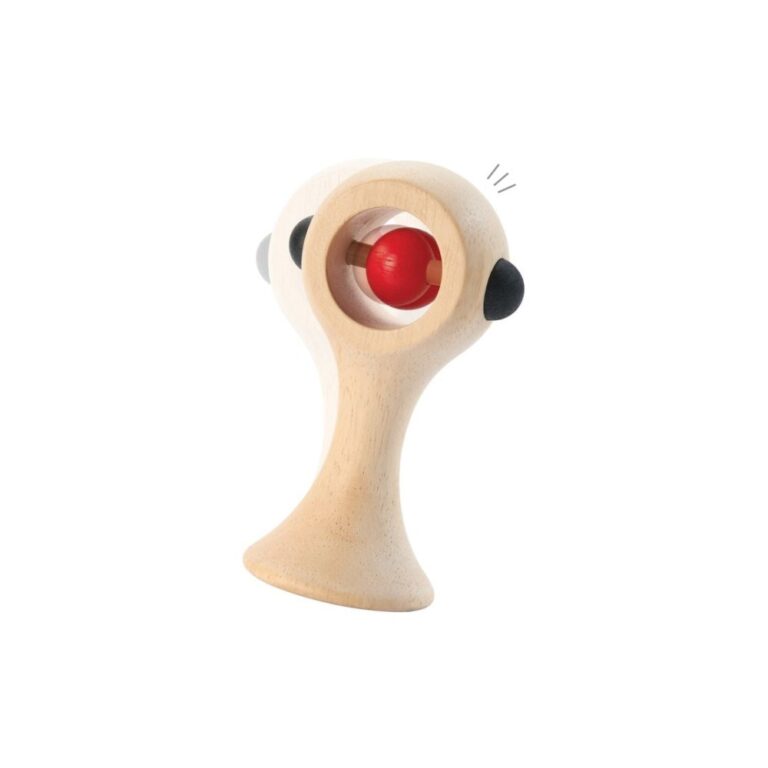
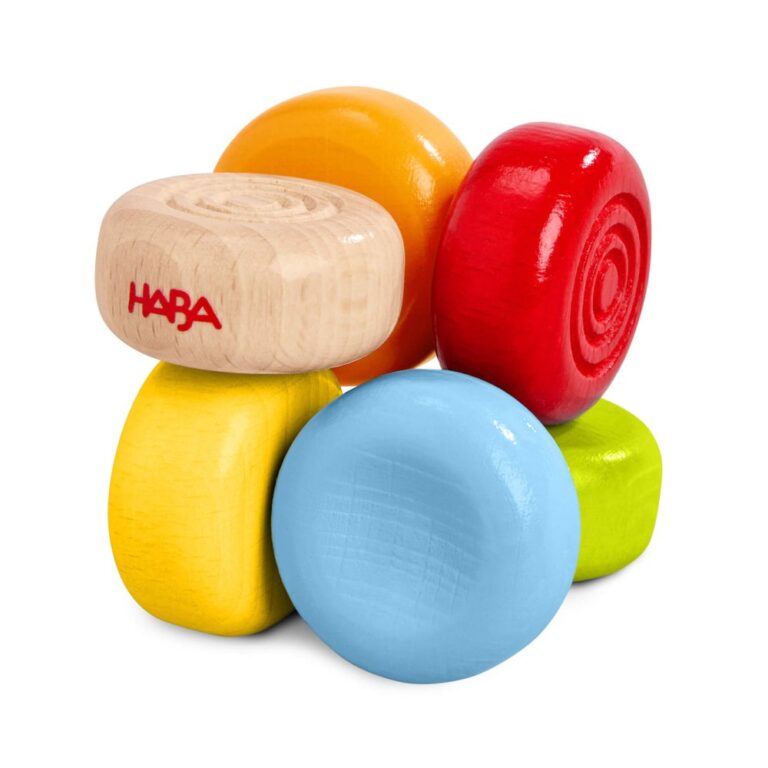
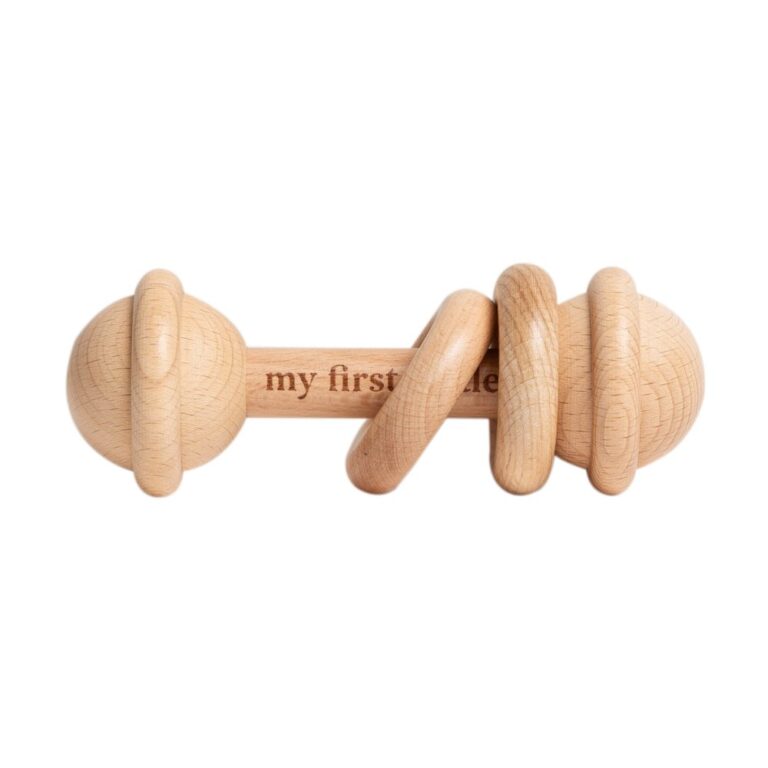
Rattles and clutching toys are shaped for tiny hands that are just learning to grab, usually from around 3 months. Babies shake them, pass them from hand to hand and, of course, chew them. The sound rewards movement, which is early cause and effect. Look for lightweight toys with lots of places to grip, smooth edges, and no small parts that could come loose. Wooden rattles with non-toxic finishes are a popular choice. The drawback: babies drop them constantly, often on their own face. HABA and PlanToys both make wooden clutching toys.
3. Teethers
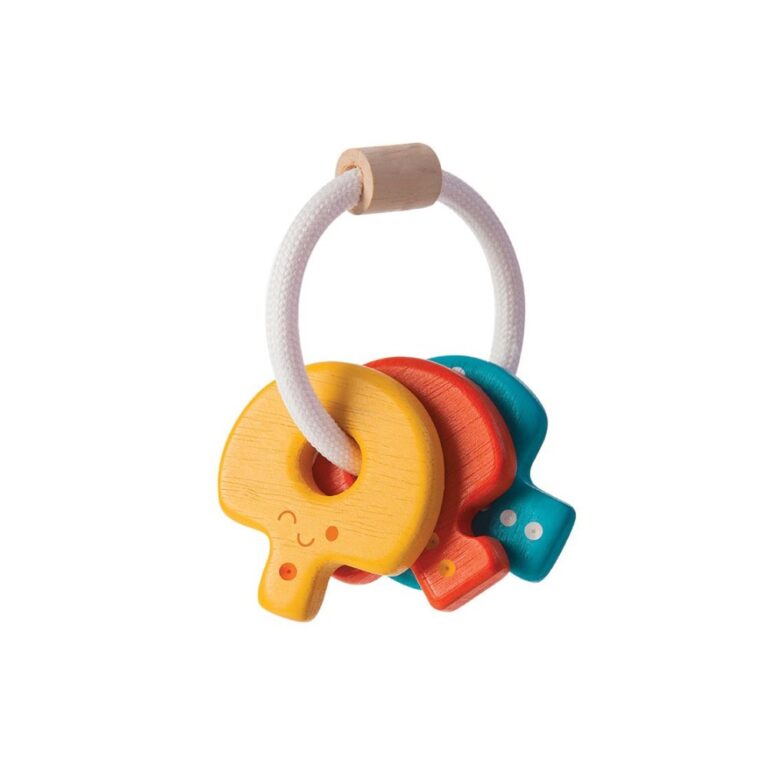
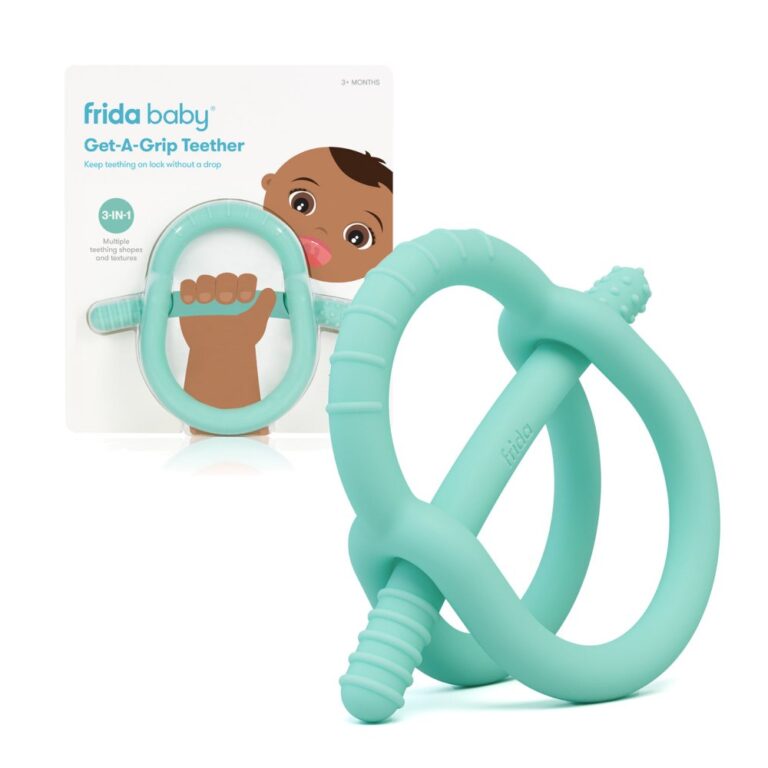
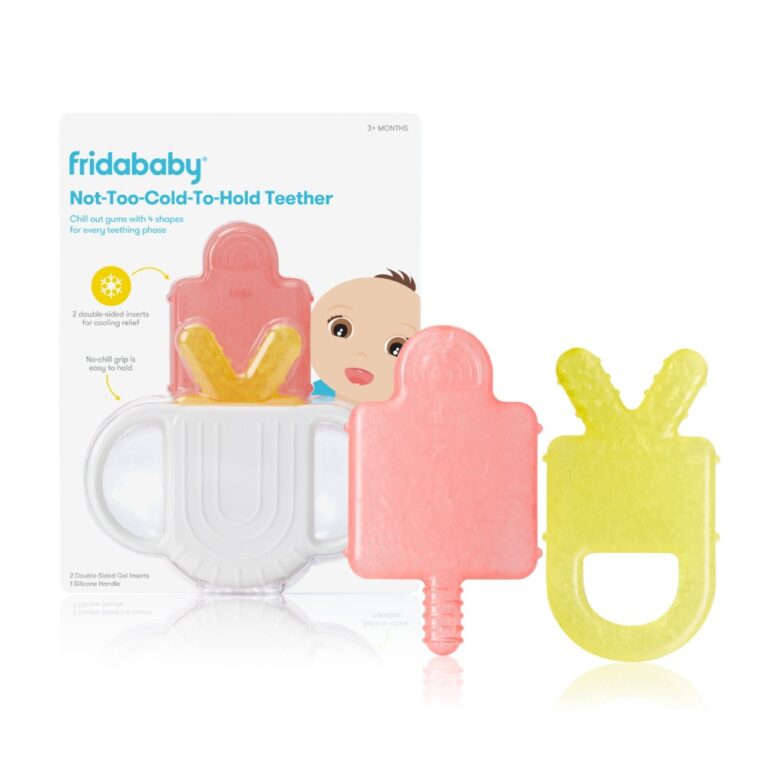
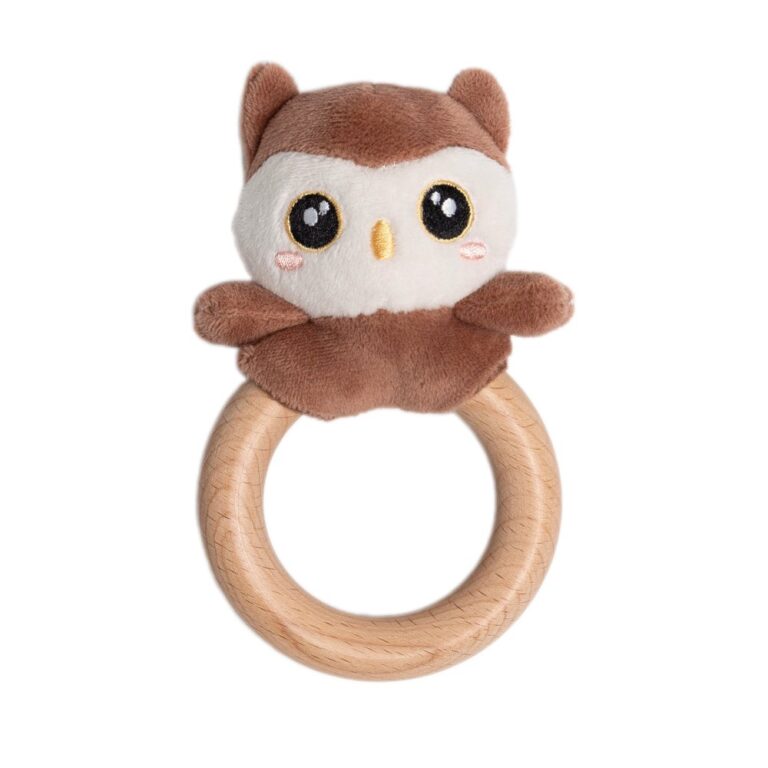
Teething usually starts somewhere between 4 and 7 months, and a teether gives babies something safe to chew on. Solid silicone or natural rubber teethers with different textures are easy to hold and clean. Look for one-piece designs with no small parts or liquid inside, and textures that reach the back gums. Chilling (not freezing) a teether in the fridge can feel soothing. The AAP explains how to help teething symptoms without medications and warns against amber teething necklaces. Frida Baby and Pearhead make teethers.
4. Gumline Feeders and Frozen Teething Treats
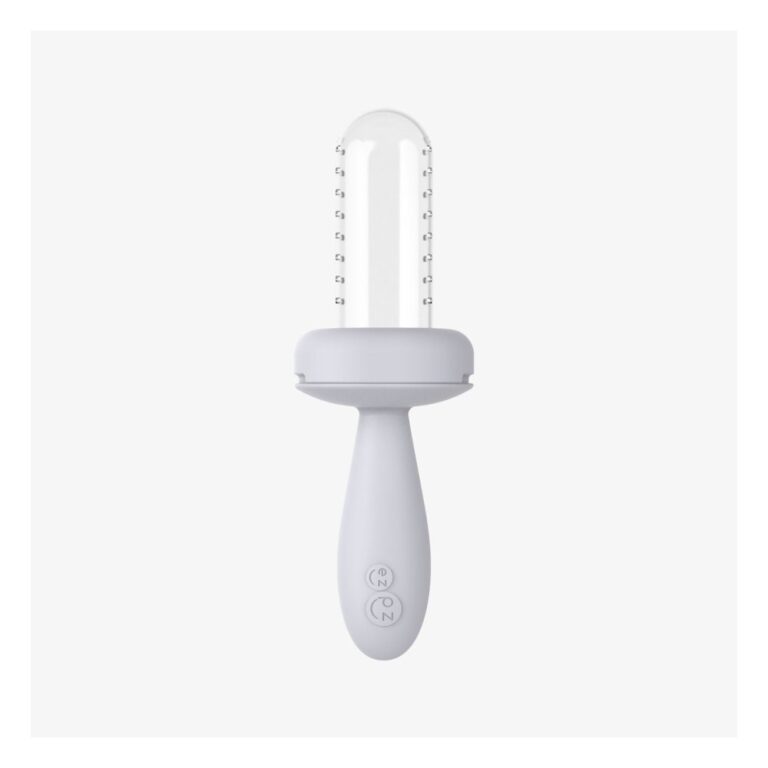
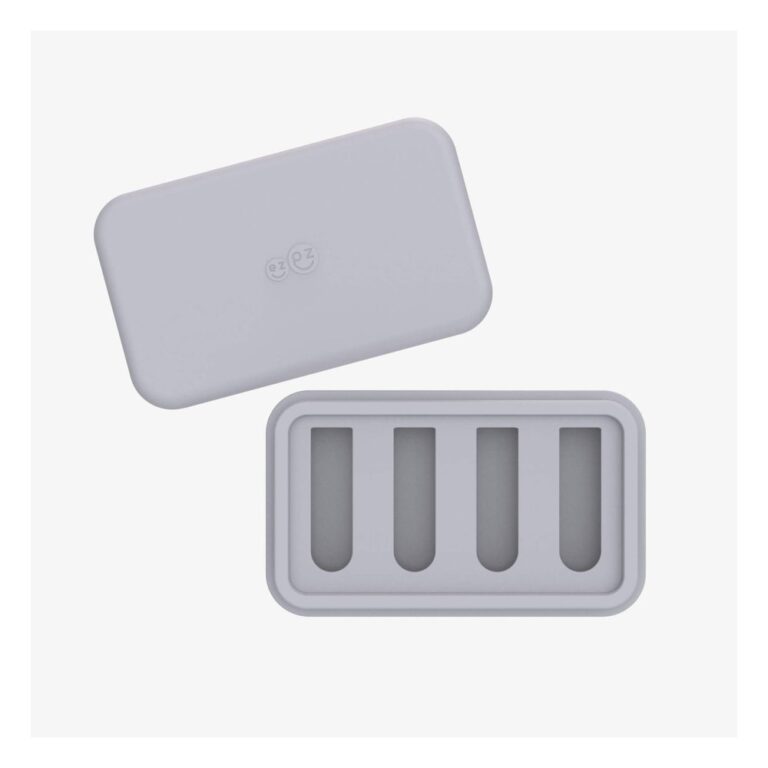
A gumline or mesh feeder holds a frozen piece of fruit or breast milk ice cube so babies can gnaw on it safely, which soothes sore gums and introduces new tastes. They suit babies who have started solids, usually from around 6 months, and always with an adult watching. Look for a design that's easy to fill and clean, with a sturdy handle for small hands. The drawback: they're messy and need thorough cleaning after every use. Check with your pediatrician before starting solids. ezpz makes a silicone gumline feeder.
5. Play Gyms and Tummy Time Toys
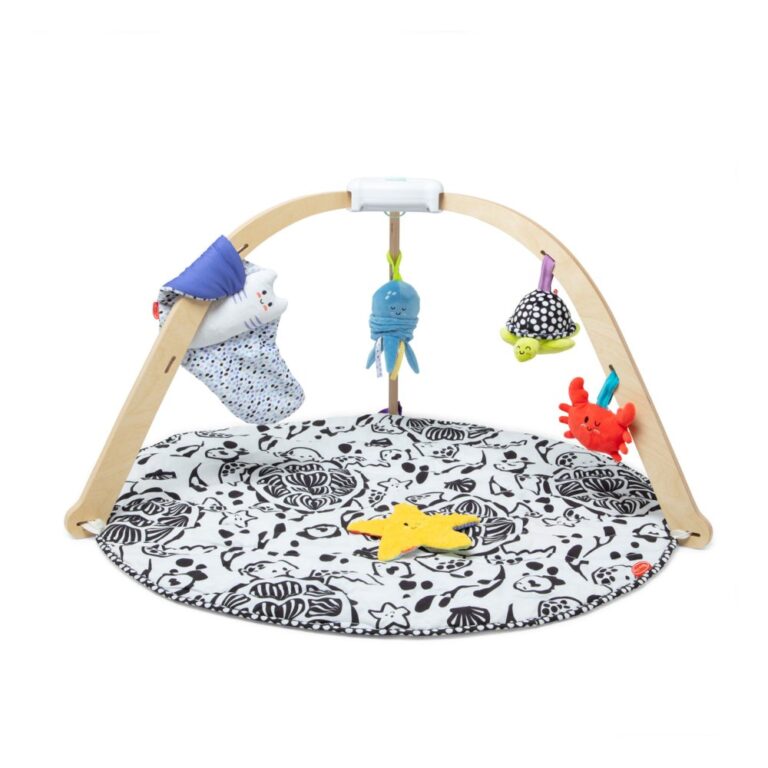
A play gym is a padded mat with arches and dangling toys that babies can look at, swipe and eventually kick. It makes floor time more interesting and encourages tummy time, which the AAP recommends for building neck and shoulder strength. Tummy time props and small wedges help babies who find it hard at first. They suit roughly birth to 8 months. Look for a mat that washes easily, toys you can swap, and a design that folds away. The AAP explains the importance of tummy time. Melissa & Doug makes play gyms and tummy time toys.
6. Soft Take-Along Toys
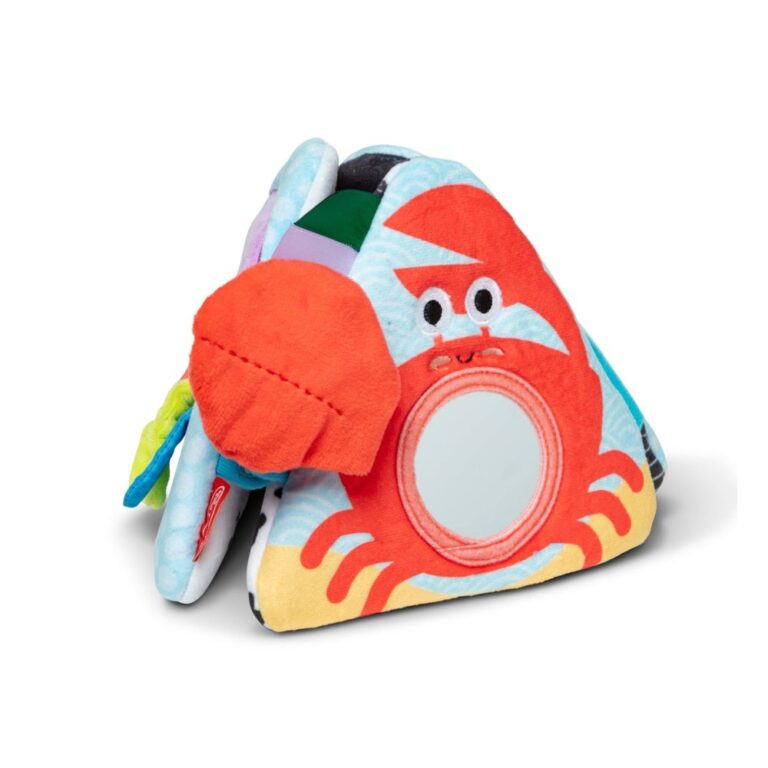
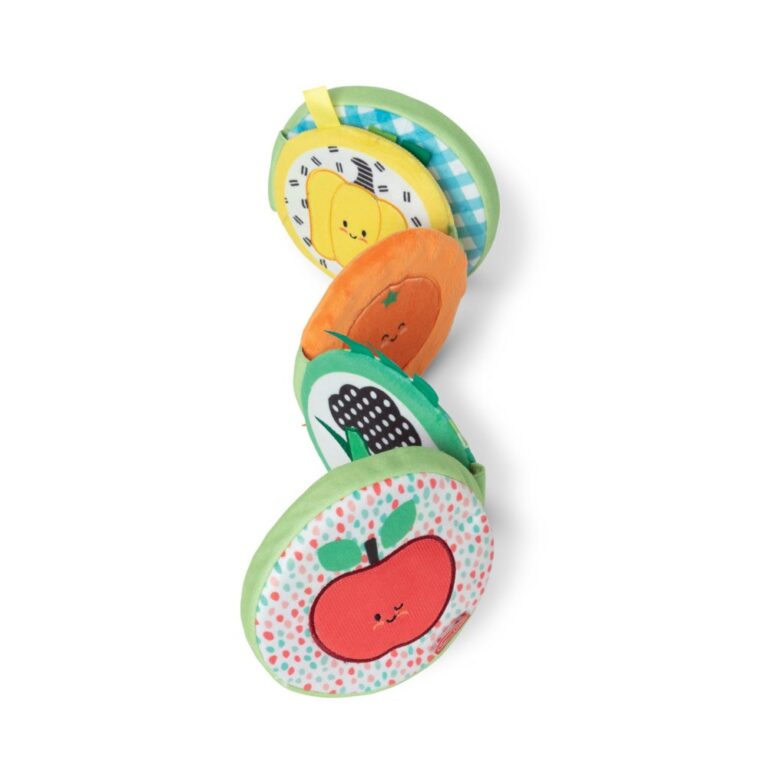
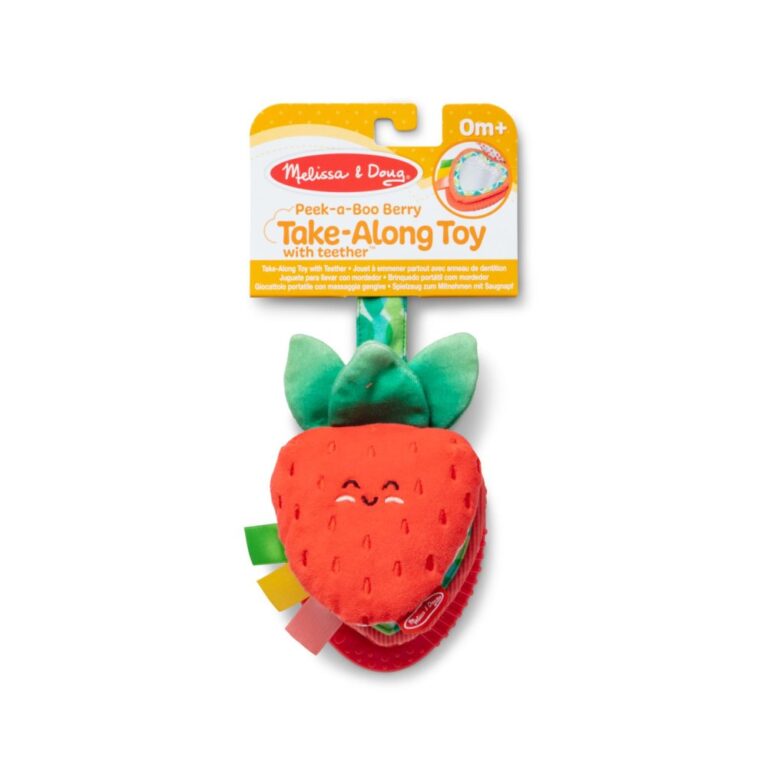
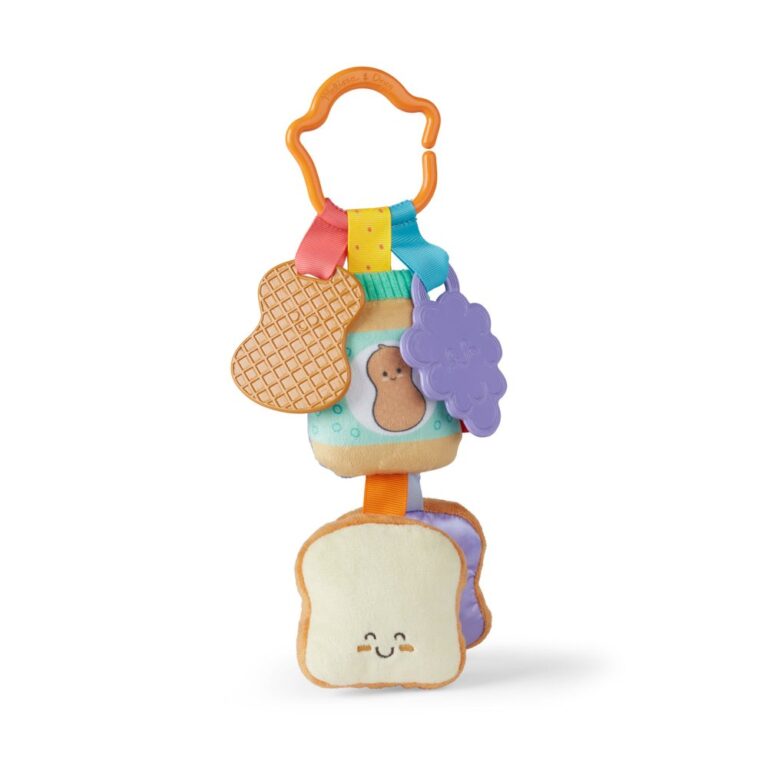
Soft fabric toys with crinkly pages, different textures, ribbons and mirrors are perfect for car seats, strollers and waiting rooms. They're light, quiet(ish) and easy to clip on. Babies from around 3 months enjoy the textures and sounds, and older babies like finding hidden details. Look for machine-washable fabric, securely stitched parts, and a clip or loop for attaching them to a stroller. The drawback: they get dropped on every pavement you walk along. Melissa & Doug makes soft take-along toys.
7. Sensory Blocks and Textured Toys
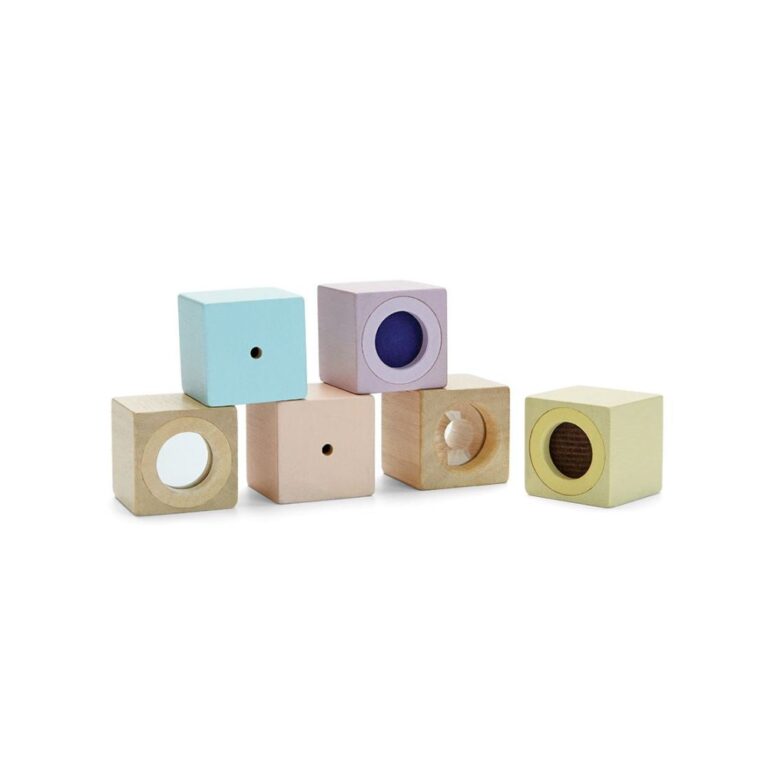
Soft or wooden blocks with different textures, sounds and patterns invite babies to squeeze, stack (or rather, knock down) and explore. They suit roughly 6 to 18 months. Babies discover how things feel, what happens when they drop them, and which ones make a noise. Look for blocks sized too big to fit in a mouth, with non-toxic finishes and no small parts. The drawback: they end up everywhere, so a basket helps. PlanToys makes wooden sensory blocks with different textures and sounds.
8. Musical Toys
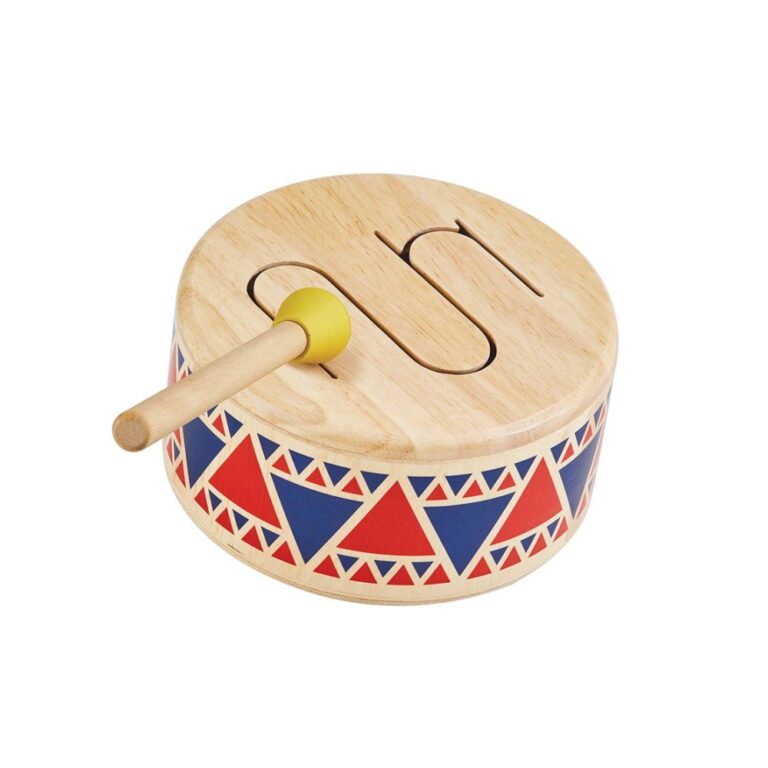
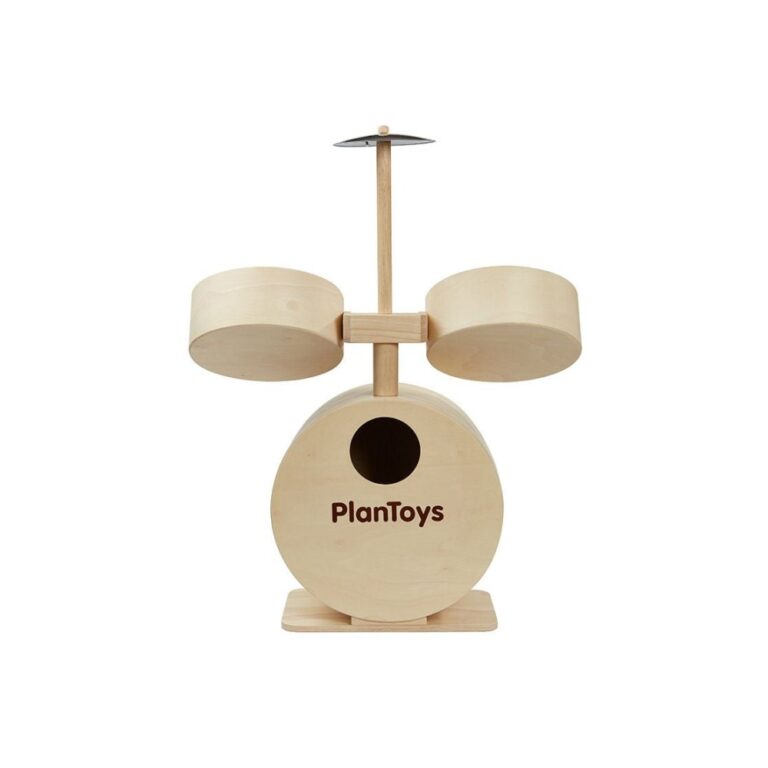
Simple musical toys, like a small drum, shakers or a xylophone, give babies instant feedback: they bang something, and it makes a sound. That's powerful cause-and-effect learning, and most babies find it hilarious. They suit roughly 6 months and up. Look for sturdy wooden instruments with rounded edges and mallets that are short enough to be safe. The drawback is obvious: they are loud, and they will be played at 6 a.m. PlanToys makes wooden drums and simple instruments for babies.
9. Rolling and Cause-and-Effect Toys
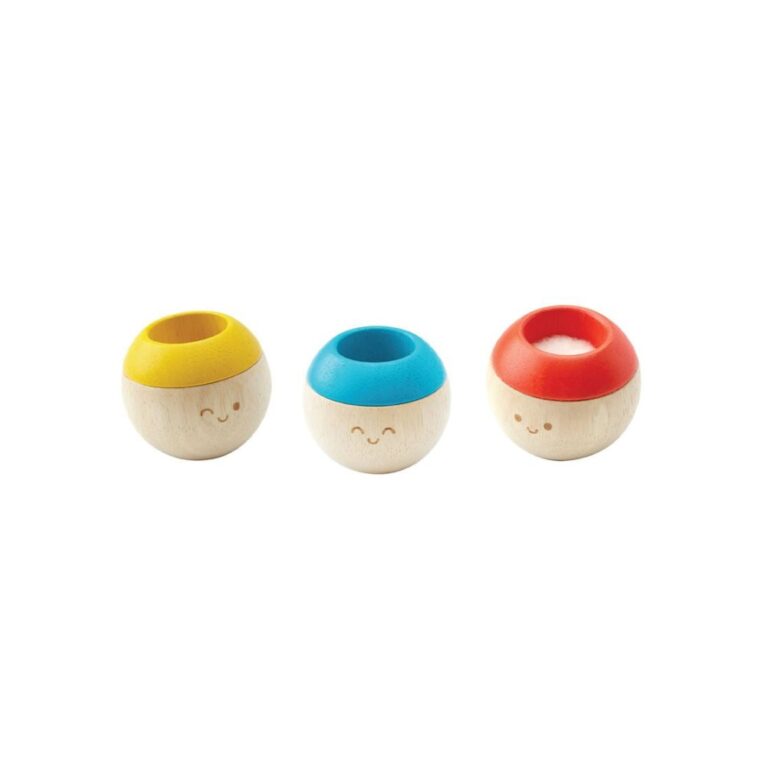
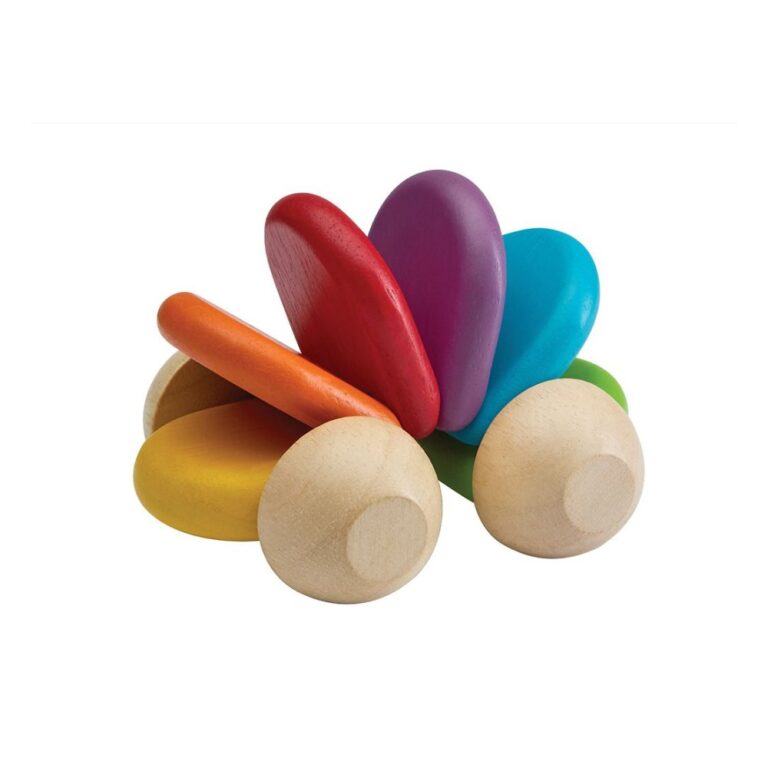
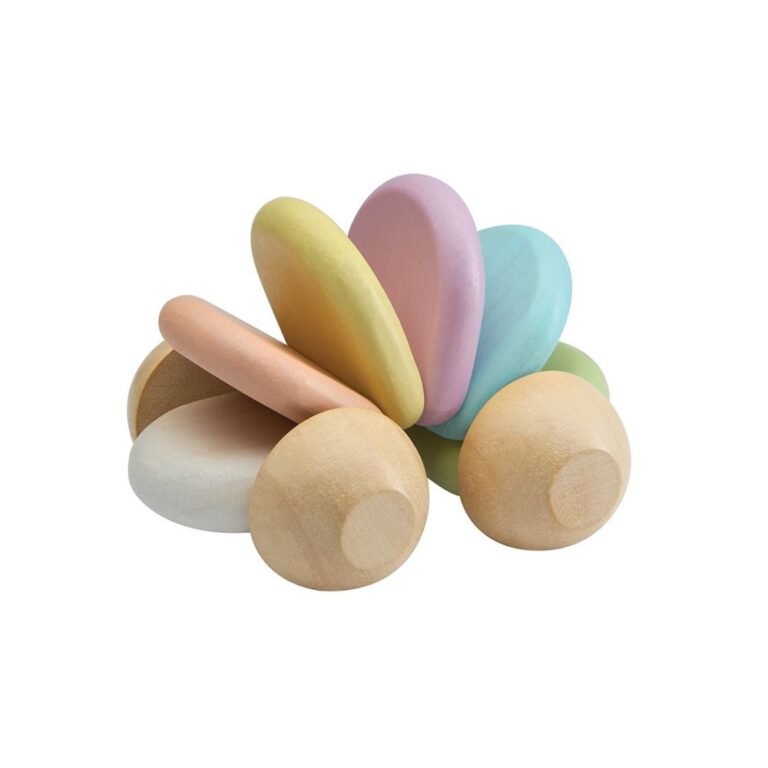
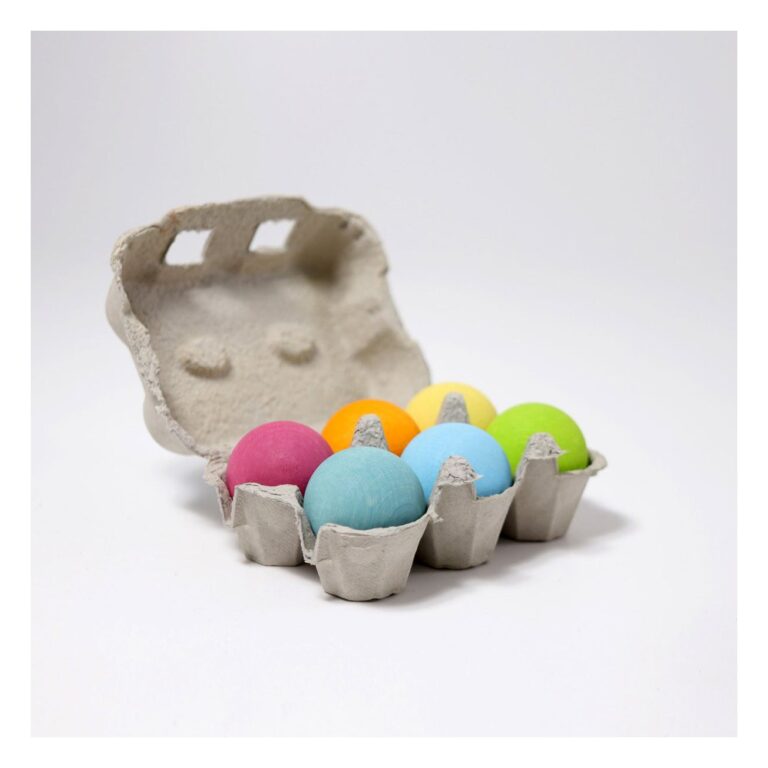
Once babies start sitting and crawling, usually from around 7 months, toys that roll, wobble or move when pushed encourage them to reach, follow and crawl after them. Balls with holes, wooden cars and rolling toys are simple and long-lasting. Look for toys light enough to push, with wheels that are firmly attached and no small parts. The drawback: they roll under the sofa daily. PlanToys makes simple wooden baby cars, and Grimm's makes colourful wooden balls and rolling toys.
Safety First for Baby Toys
Babies put everything in their mouths, so check age labels carefully and avoid toys with small parts, long cords, button batteries or loose magnets. Inspect toys regularly for cracks, loose pieces and worn stitching, and throw away damaged teethers. The AAP explains what to look for in a toy, and you can check products for recalls with the U.S. Consumer Product Safety Commission or your local equivalent. Keep all toys out of your baby's sleep space.
Simple Sensory Games to Play Together
Toys are only half of it. Some of the best sensory play needs nothing but you and a few household things.
Peekaboo with a muslin cloth teaches that things still exist when they disappear, and babies find it endlessly funny.
Texture tours mean letting your baby touch safe, different surfaces, like a soft blanket, a wooden spoon, a cool metal bowl or a crinkly bag, while you name each one.
Mirror play with a baby-safe mirror during tummy time keeps them lifting their head for longer.
Singing with actions, like clapping or gentle bouncing, links sound and movement.
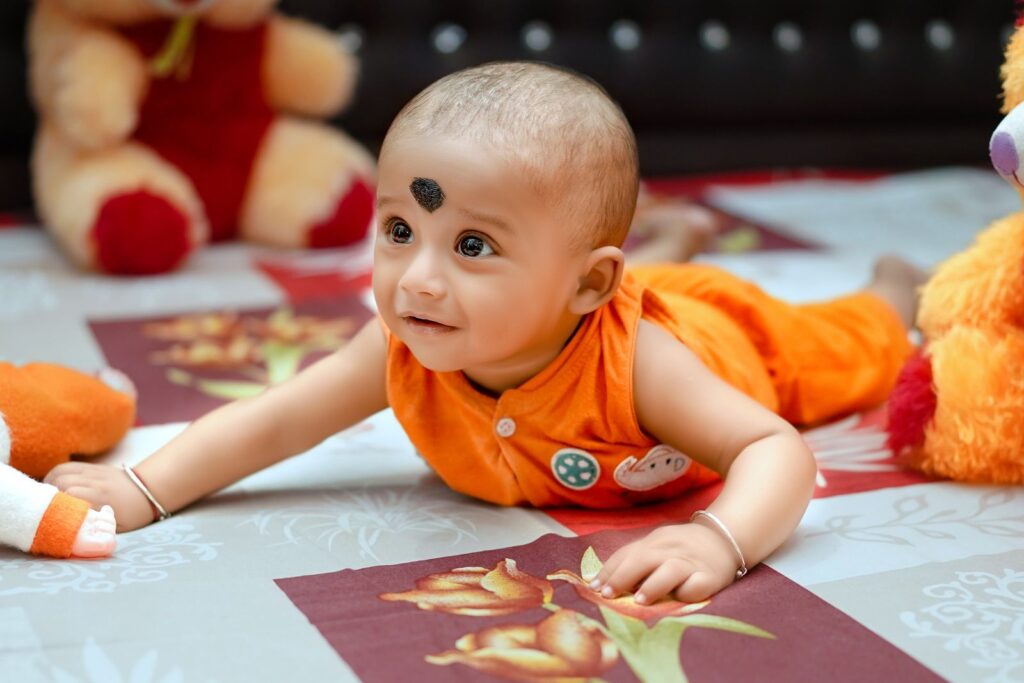
Water play during bath time, with cups to pour and splash, is sensory play at its simplest. Always stay within arm's reach during baths.
Choosing Safe Materials
Babies chew everything, so materials matter. Look for solid wood with non-toxic, water-based finishes, food-grade silicone, and natural rubber, and avoid painted toys that chip. Fabric toys should be machine-washable, with embroidered rather than stuck-on eyes. Clean teethers and mouthed toys regularly with warm, soapy water, and let wooden toys dry fully rather than soaking them.
How Many Toys Does a Baby Really Need?
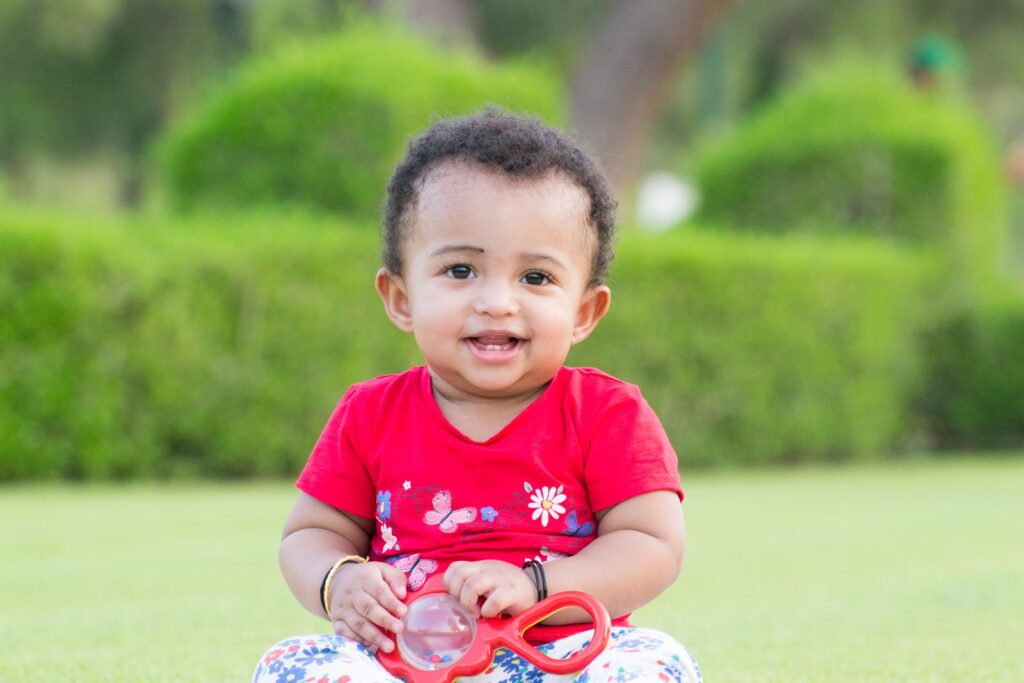
Fewer than you'd think. Babies enjoy repetition and get overwhelmed by too much choice, so a small basket of five or six toys, rotated every week or two, keeps things interesting. Everyday objects count too: a wooden spoon, a silicone cup or a crinkly paper bag (supervised) can be just as fascinating as anything from a shop. The most important "toy" in the first year is still you, talking, singing and making faces.
A First-Year Sensory Starter Set
Birth to 3 months: a set of high-contrast cards and a play gym for floor time.
3 to 6 months: a lightweight rattle or clutching toy and a soft take-along toy for outings.
6 to 12 months: a silicone teether, a gumline feeder once solids start, a small drum and a rolling toy to crawl after.
Seven or eight toys across the year is plenty. Add to the basket slowly, and let your baby show you what they love.