

Some links in this article may be affiliate links, which means we may earn a commission at no extra cost to you.
- The Best Books for Kids by Age: 8 Types Worth Owning
- 1. Board Books
- 2. Interactive Lift-the-Flap and Touch-and-Feel Books
- 3. Picture Books
- 4. Read-Aloud Classics
- 5. First Chapter Books and Early Readers
- 6. Activity and Sticker Books
- 7. Book Subscription Boxes and Book Programs
- 8. Library Cards and E-Readers
- How to Pick Books a Kid Will Reread
- Where to Keep Books So Kids Actually Use Them
- Building a Home Library on a Budget
- A Starter Shelf of 10 Books by Age
There are two kinds of children's books in every house: the ones kids are given, and the ones they carry to you at bedtime for the fortieth night in a row. The first kind looks lovely on the shelf. The second kind has chewed corners, a torn page taped back together and a line you can recite in your sleep. Finding the best books for kids by age is really about finding more of that second kind, and knowing which formats work at each stage makes it much less of a guess.
The Best Books for Kids by Age: 8 Types Worth Owning
1. Board Books
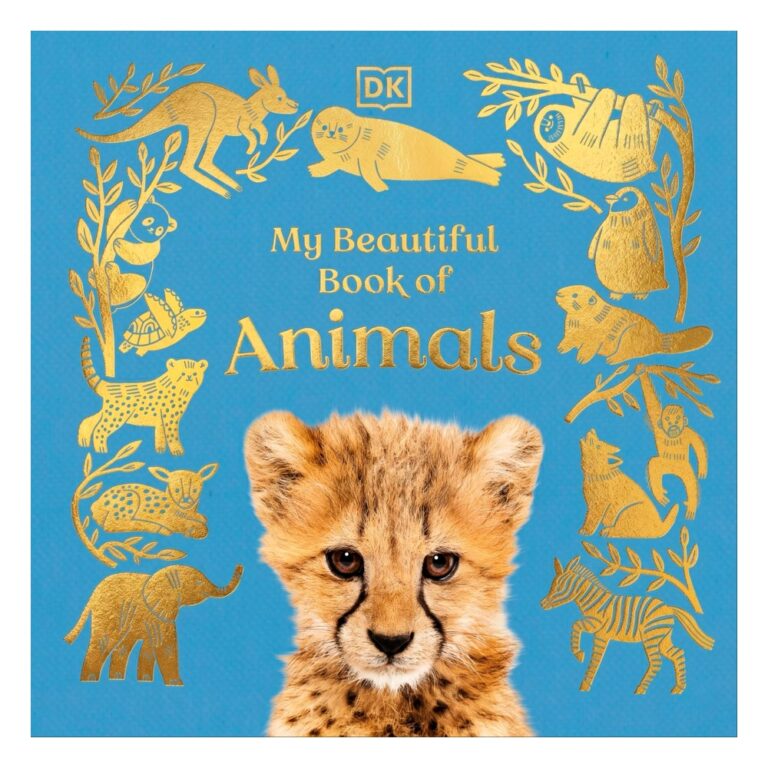
Board books are printed on thick, laminated cardboard that survives chewing, drooling and being thrown out of the cot. They're made for babies and toddlers from birth to about age 3. Babies mostly look at the pictures, touch the pages and put the corners in their mouths. Toddlers start turning the pages themselves, pointing at things and "reading" familiar ones from memory. Look for high-contrast images for newborns, then simple words, rhymes and real photos of everyday things. The drawback: board book versions of longer picture books are often cut down awkwardly, losing half the story. The AAP has practical tips on sharing books with babies. DK publishes many photo-based board books.
2. Interactive Lift-the-Flap and Touch-and-Feel Books
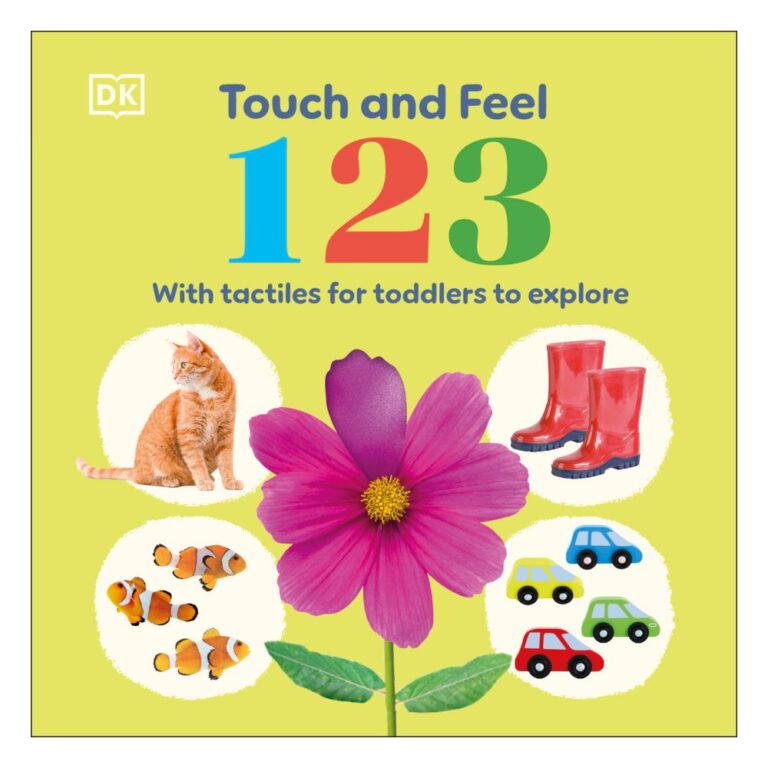
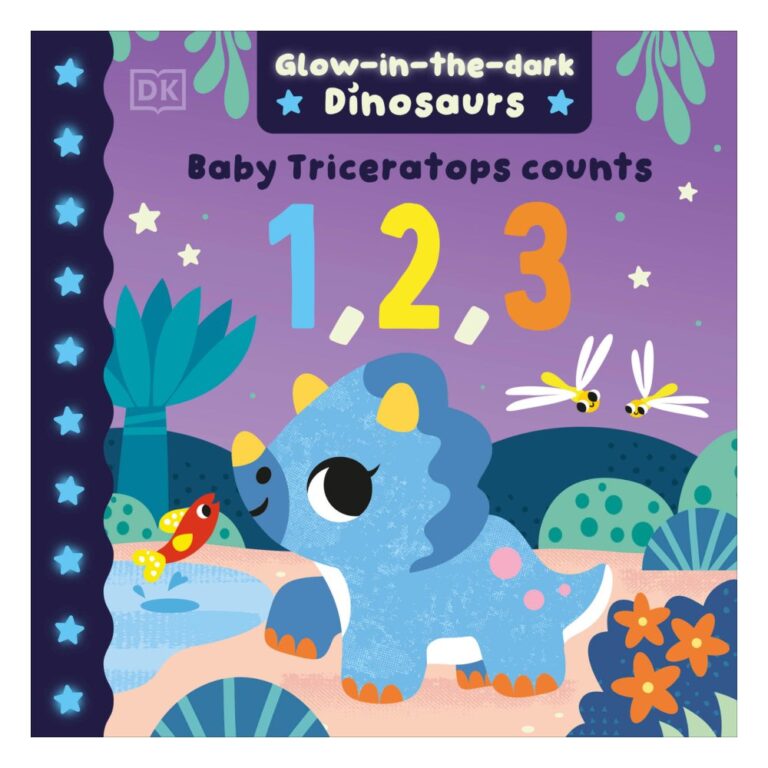
Lift-the-flap, touch-and-feel and peekaboo books turn reading into a game, which is exactly what toddlers want. They suit roughly ages 1 to 4. Kids lift every flap, rub every fuzzy patch and shout the answer before you've finished the question. These books are especially good for wriggly kids who won't sit through a longer story. Look for thick, sturdy flaps attached along a long edge, since thin paper flaps tear within a week. The drawback is durability: even well-made flaps eventually rip, and small pieces that come loose can be a choking risk, so check the age label and remove damaged books for younger toddlers. Usborne is well known for sturdy lift-the-flap books.
3. Picture Books
Picture books pair a full story with illustrations on every page, and they're the heart of most kids' shelves from about age 2 to 8. Younger kids follow the pictures while you read. Older kids notice jokes and details hidden in the art, and start reading familiar books alone. The best ones reward rereading, with rhythm, humour and illustrations that show something new each time. The drawback: picture books are expensive for how quickly kids get through them, and it's hard to tell which ones will become favourites. That's why the library is your best friend here. The AAP's guide to sharing books with 2- and 3-year-olds has lovely ideas for reading together.
4. Read-Aloud Classics
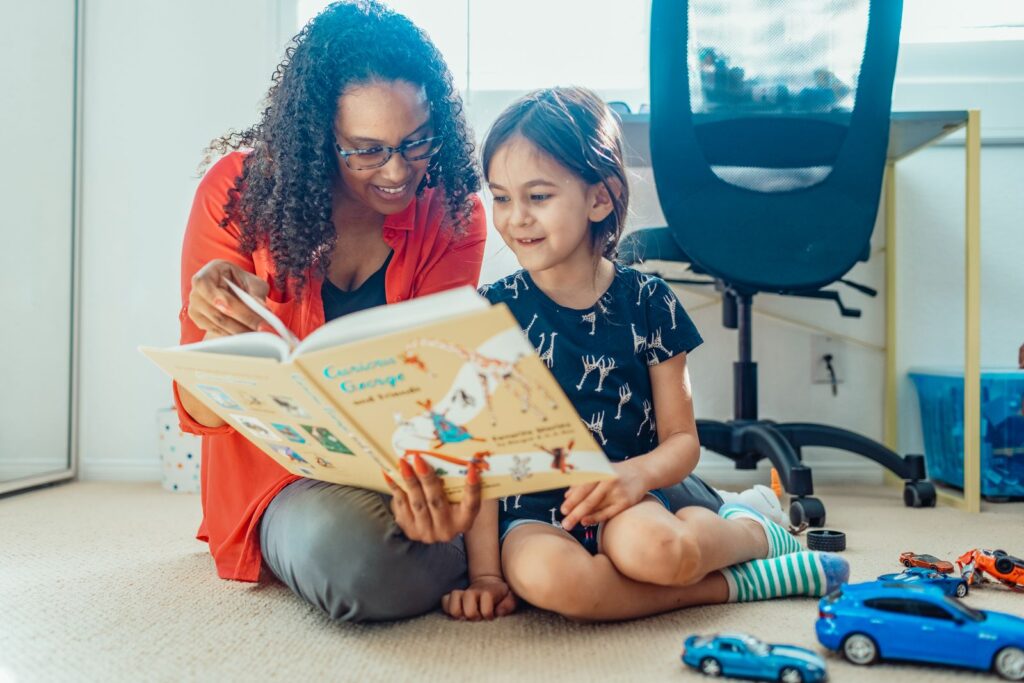
Read-aloud classics are longer books, often chapter books or story collections, that you read to kids before they can read them alone. They suit roughly ages 4 to 8 and can become a nightly ritual, one chapter at a time. Kids who can't yet read a chapter book can still follow a long story when it's read aloud, and they build vocabulary and patience along the way. Look for books with short chapters, lively dialogue and a story that you enjoy too, because you'll be reading it for weeks. The drawback: some older classics contain outdated language or attitudes, so preview before you read and be ready to talk about it. The AAP has tips to help kids enjoy reading aloud.
5. First Chapter Books and Early Readers
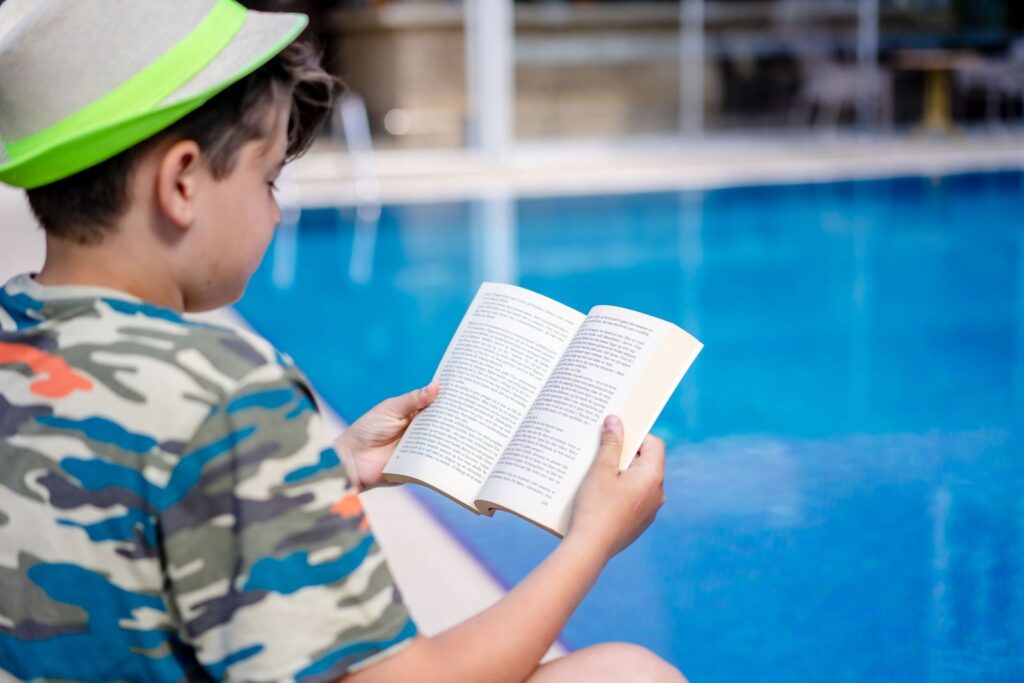
Early readers and first chapter books are written for kids who are just learning to read alone, usually ages 5 to 8. Early readers use simple words, short sentences and big print, often with levels printed on the cover. First chapter books add short chapters, lots of illustrations and characters kids follow across a series. Kids use them to practise reading alone or taking turns reading a page with you. Series are gold here, because a child who loves book one will happily read books two to twelve. The drawback: levelled readers can be dull, and a child forced to read "at their level" may lose interest. Let them mix easy and hard books. Scholastic publishes many popular early reader series.
6. Activity and Sticker Books
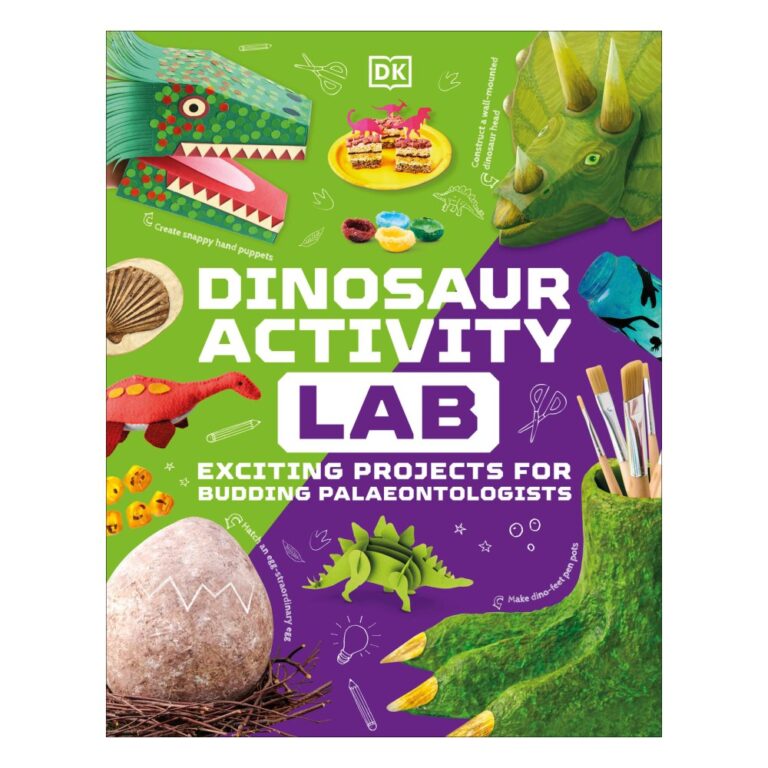
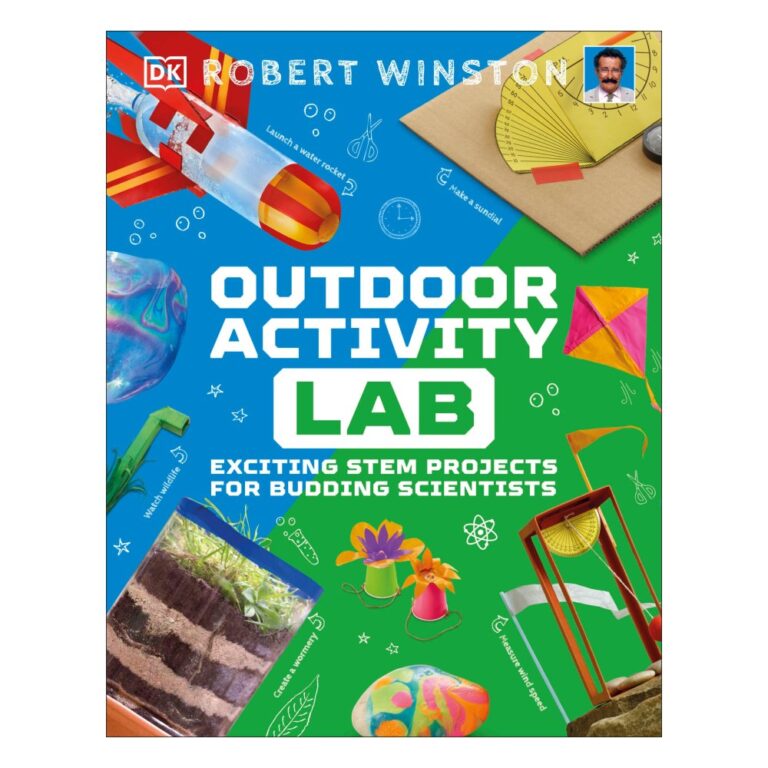
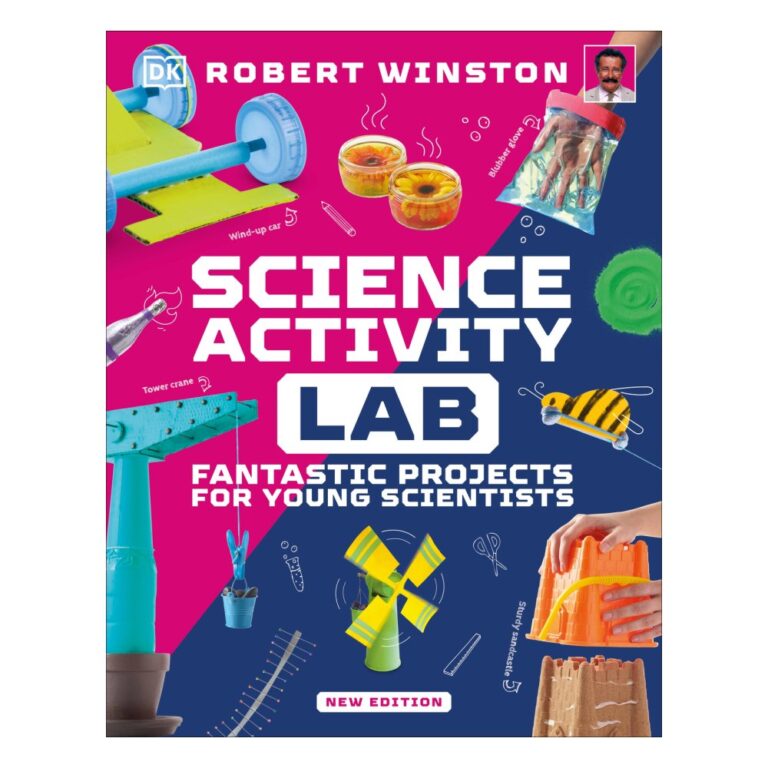
Activity books include sticker scenes, mazes, dot-to-dots, search-and-find pages and simple puzzles. They suit roughly ages 3 to 8 and are great for car journeys, waiting rooms and quiet time. Kids treat them more like play than reading, but they still practise following instructions, recognising words and fine motor skills. Search-and-find books are a particular hit with kids who aren't keen on stories. Look for thick pages, stickers that are easy to peel, and themes your child already loves. The drawback: most activity books are used once and done. They're consumables, not shelf books, so don't overspend. Usborne and DK both publish large ranges.
7. Book Subscription Boxes and Book Programs
Book subscriptions send a new book or a small bundle to your door on a regular schedule, chosen by age. They suit families who like surprises or who don't have a good bookshop nearby. Kids love receiving post with their name on it, and a new book arriving each month becomes an event. Look for flexible plans you can pause, age-based selections, and the option to return or swap books you don't want. The drawback is cost, and occasional duds. In participating areas, Dolly Parton's Imagination Library mails a free book each month to children from birth to age 5. Paid options include Literati and Bookroo.
8. Library Cards and E-Readers
A library card is the single best-value reading tool there is, and most libraries let children have their own card from a young age. Kids of every age can borrow piles of books, try new series and follow their current obsession, whether it's sharks, trucks or ballet. Many libraries also lend e-books and audiobooks through apps like Libby, which can be read on a tablet or kids' e-reader. E-readers suit roughly ages 6 and up, especially for kids who read fast and devour series. The drawback of e-readers: they're one more screen to manage, and some kids miss flipping through pages. Ask at your local library, or visit the American Library Association to learn more about library programs.
How to Pick Books a Kid Will Reread
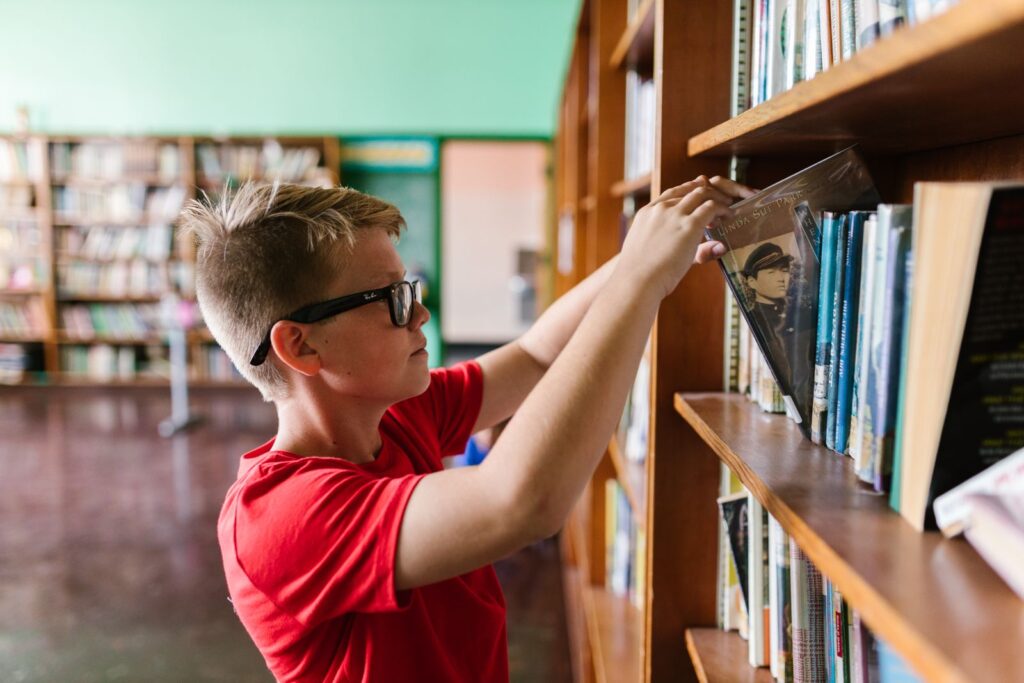
Rereading is how kids build confidence, and the books they return to tend to share a few features. Look for rhythm and repetition, which let kids join in. Pick humour, because a book that makes them laugh is a book they'll bring back. Follow their obsessions: a child who loves diggers will reread a so-so digger book long before a beautiful book about feelings. Choose characters they know, since series make it easy to find the next favourite. And let them choose some books at the library or shop. Kids care more about books they picked themselves. For more ideas, the AAP shares 10 tips to help your child fall in love with reading.
Where to Keep Books So Kids Actually Use Them
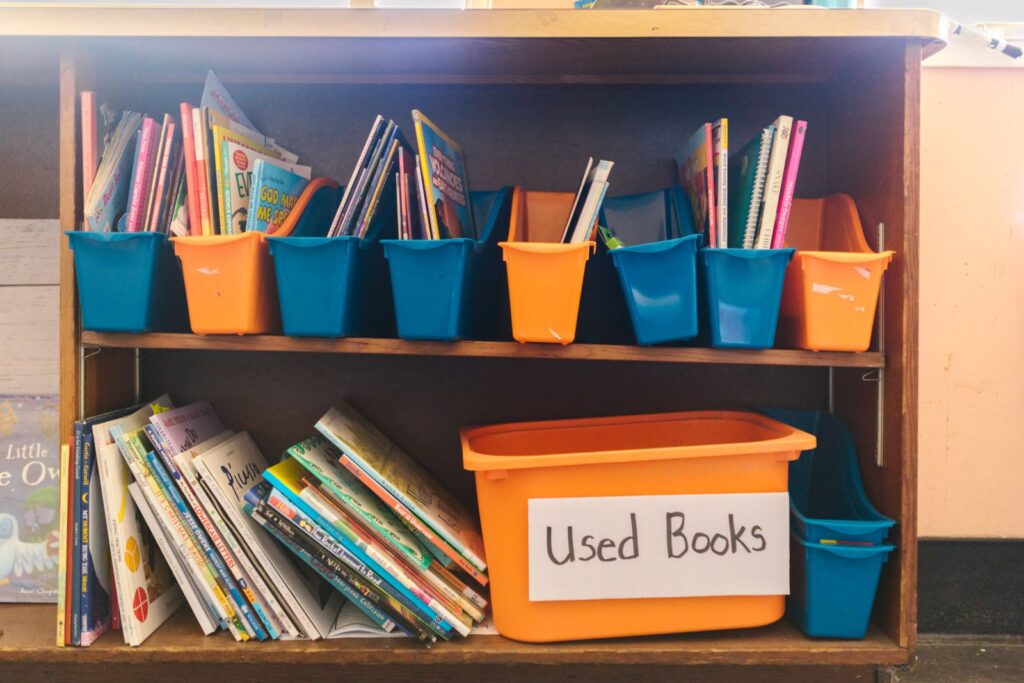
Where books live matters almost as much as which books you buy. Kids choose with their eyes, so front-facing shelves or ledges, where covers are visible, get far more use than spines packed tightly on a tall bookcase. Keep a small basket of books in the places kids already spend time: by the sofa, in the car, next to the bath and beside the bed. Put books at child height so they can pick one without asking. And rotate them every few weeks, putting some away and bringing others back out, so the shelf always feels a little bit new.
Building a Home Library on a Budget
A great kids' bookshelf doesn't have to be expensive. Borrow freely from the library and buy only the books your child asks for again. Look for second-hand books at charity shops, school fairs and library sales, where picture books often cost very little. Swap books with friends whose kids are a little older. Ask grandparents and relatives for books as gifts, and let them add a note inside the cover. Over a few years, that mix of borrowed, second-hand and gifted books builds a shelf full of real favourites.
A Starter Shelf of 10 Books by Age
Babies (0 to 1): a high-contrast board book, a board book with real photos of faces, and a touch-and-feel book.
Toddlers (1 to 3): a lift-the-flap book, a rhyming picture book, and a picture book about daily routines like bath or bedtime.
Preschoolers (3 to 5): a funny picture book they can "read" along with, and a search-and-find activity book.
Early readers (5 to 8): a first chapter book from a series, and a read-aloud classic to share one chapter a night.
Add a library card for everyone old enough, and let the shelf grow from there.