



Some links in this article may be affiliate links, which means we may earn a commission at no extra cost to you.
- The Best STEM Toys for Kids, Type by Type
- 1. Building Blocks and Bricks
- 2. Marble Runs
- 3. Science Kits
- 4. Coding Toys and Robots
- 5. Magnet and Circuit Kits
- 6. Puzzles and Logic Games
- 7. Measuring and Nature Exploration Tools
- 8. Simple Engineering Kits
- 9. Math Games
- Getting the Most Out of a STEM Toy
- How to Tell a Real Learning Toy from a Marketing Label
- Safety: Small Parts, Batteries and Magnets
- The Best First STEM Toy by Age
Every family has one: the expensive "educational" kit that got opened on a birthday, used for twenty minutes and then moved to the top of a closet, where it lives to this day. The best STEM toys for kids don't feel like lessons at all. They feel like play, and the science, engineering and maths happen quietly in the background. Here are nine types that kids aged 3 to 10 genuinely return to, with an honest note on how long each one holds their interest.
The Best STEM Toys for Kids, Type by Type
1. Building Blocks and Bricks
Construction toys like interlocking bricks, wooden blocks and magnetic tiles are the most reliable STEM toys there are. They suit ages 3 to 10, moving from big chunky bricks for preschoolers to small bricks and technical sets for older kids. Children build towers, test what makes them fall, design houses and vehicles, and slowly learn about balance, symmetry and structure. Look for sets with lots of basic pieces rather than one specific model, since open-ended sets get rebuilt again and again. How long it holds interest: years, especially if you add to the collection. The drawback is the pieces underfoot. LEGO and Magna-Tiles are the best-known names.
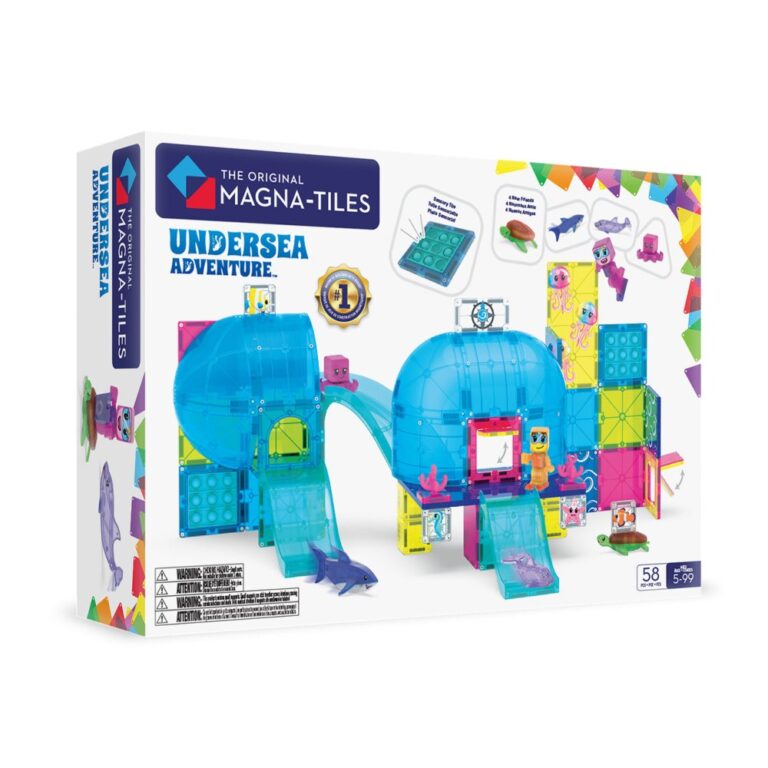
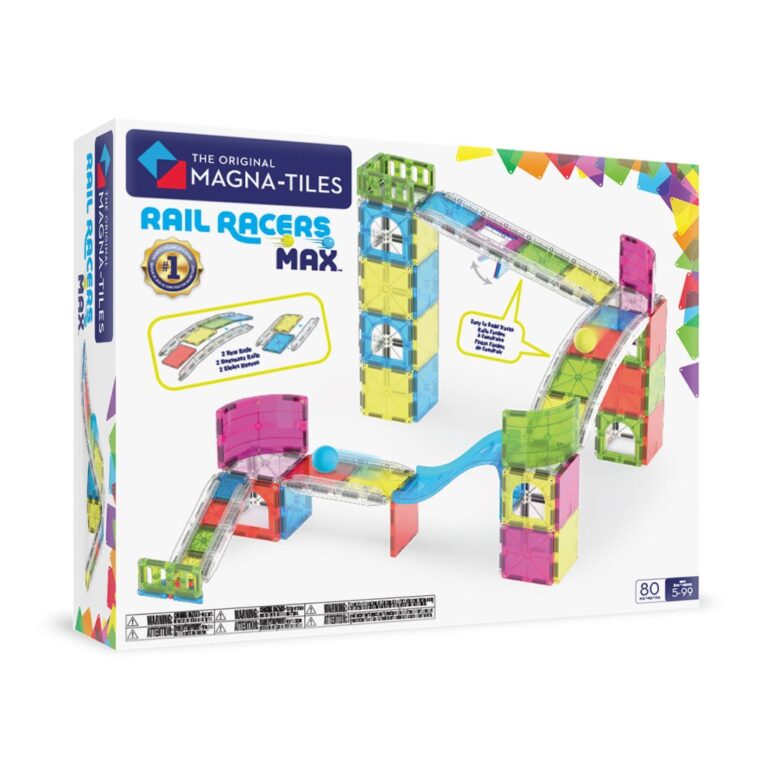
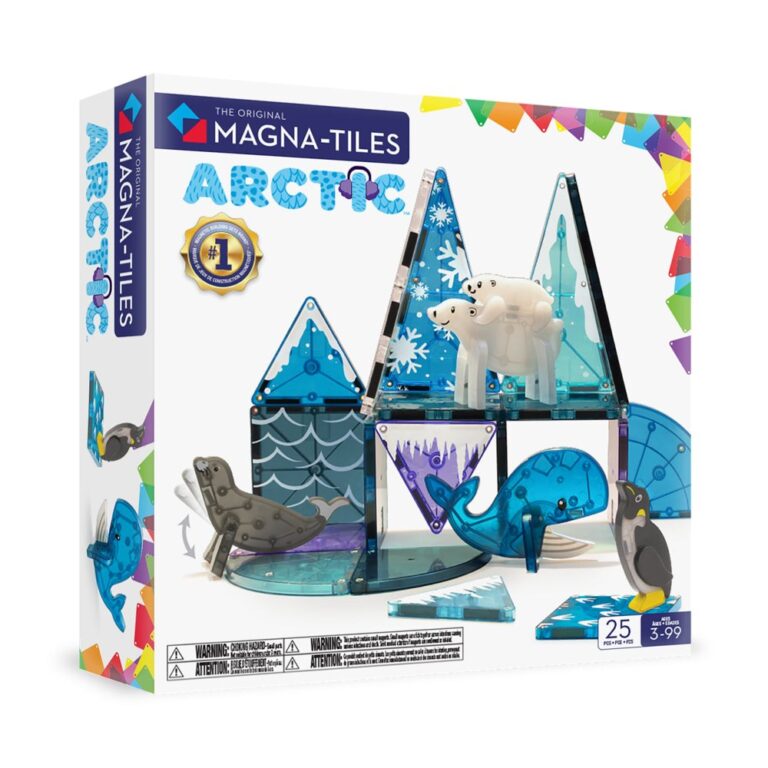
2. Marble Runs
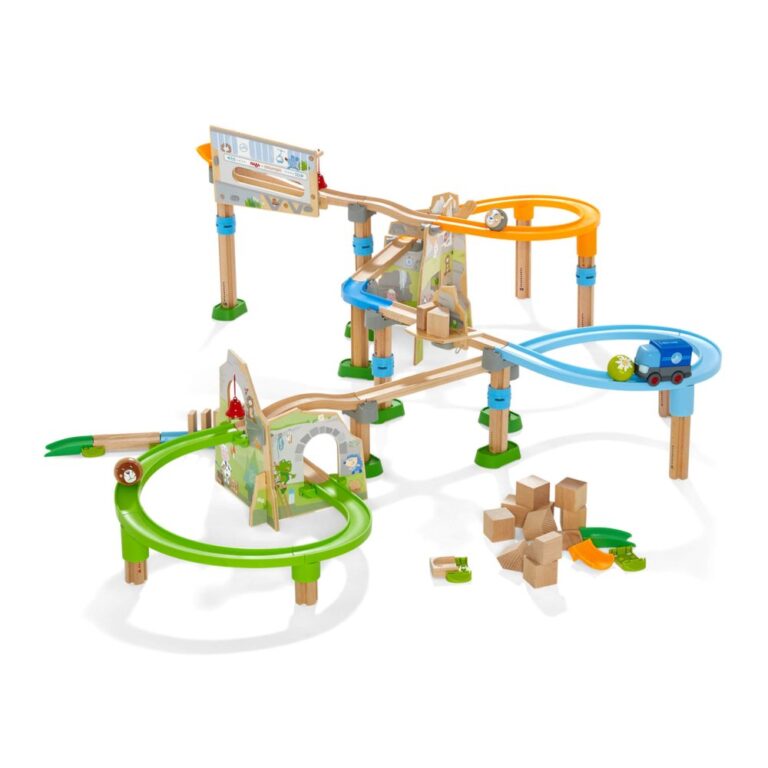
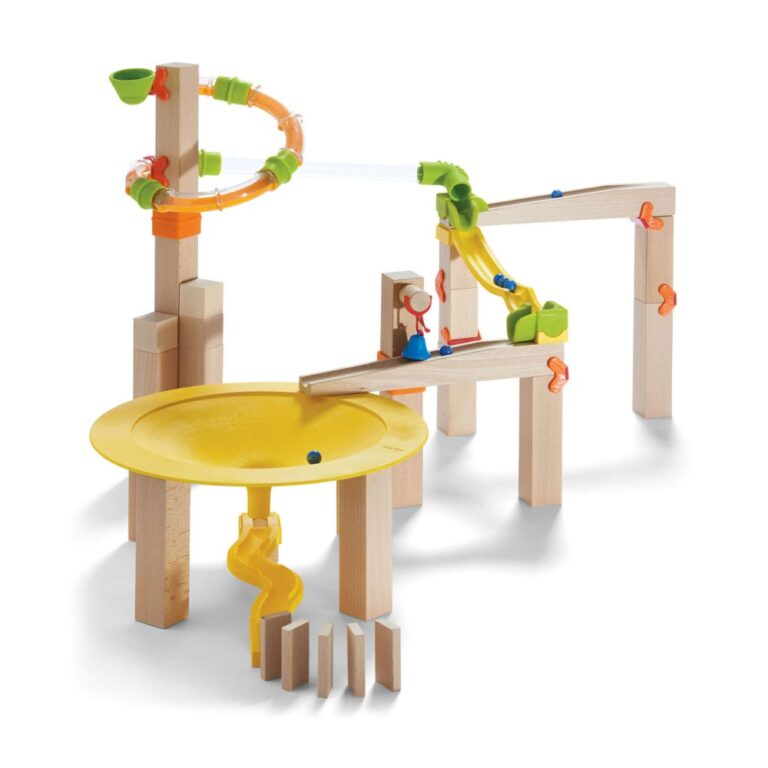
A marble run is a set of tracks, tubes and funnels that kids assemble into a course, then send marbles racing down. They suit ages 4 to 10, with bigger pieces and larger balls for younger kids. Children build, test, watch where the marble jumps the track, and rebuild. That trial-and-error loop is basic engineering, and it's surprisingly absorbing. Look for sturdy pieces that click together firmly and a set that can be expanded later. How long it holds interest: months, with bursts of renewed enthusiasm when new pieces arrive. The drawback: marbles are a choking hazard for young children, so check age labels. HABA makes wooden marble runs, and GraviTrax is a popular system for older kids.
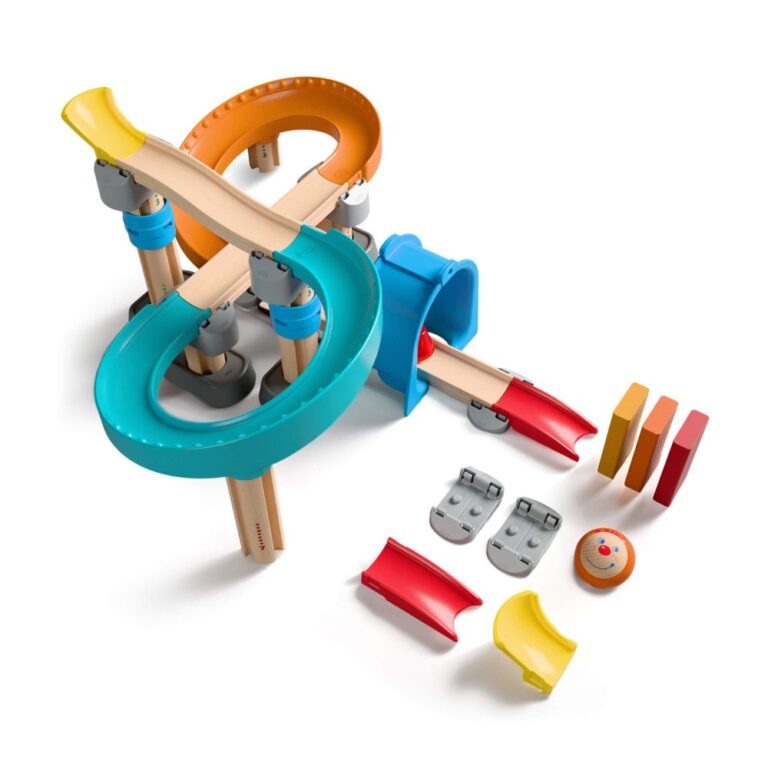
3. Science Kits
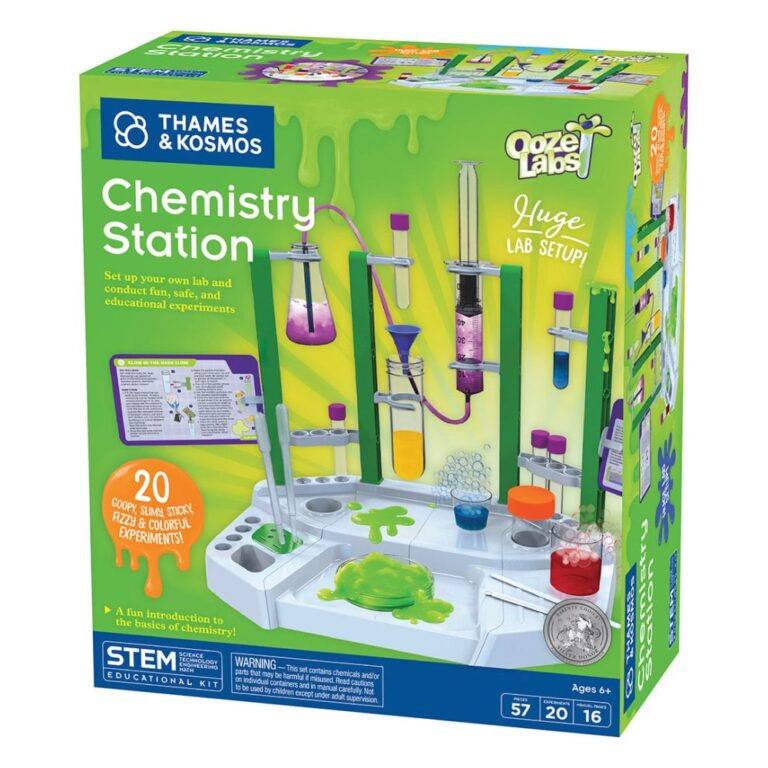
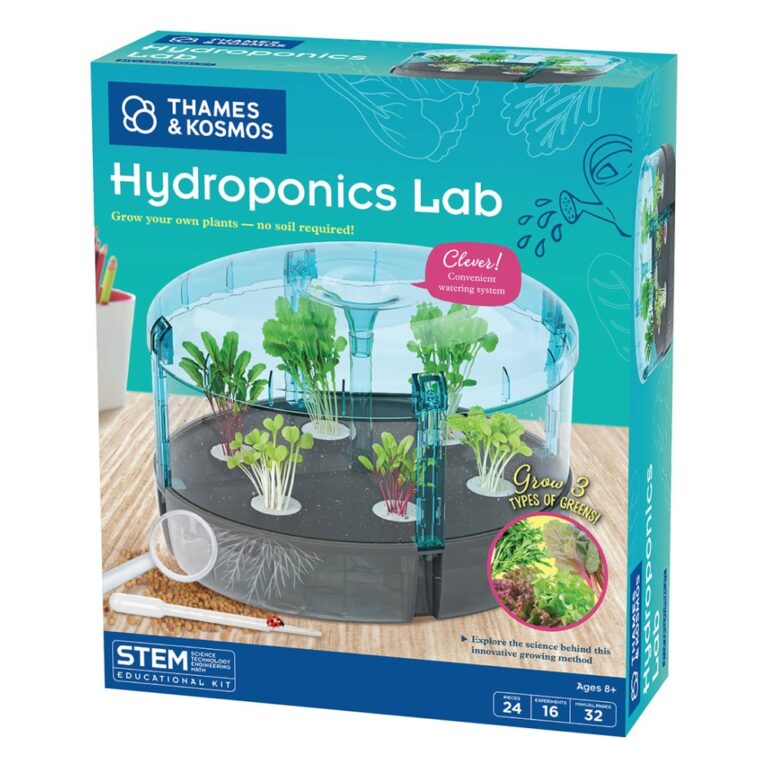
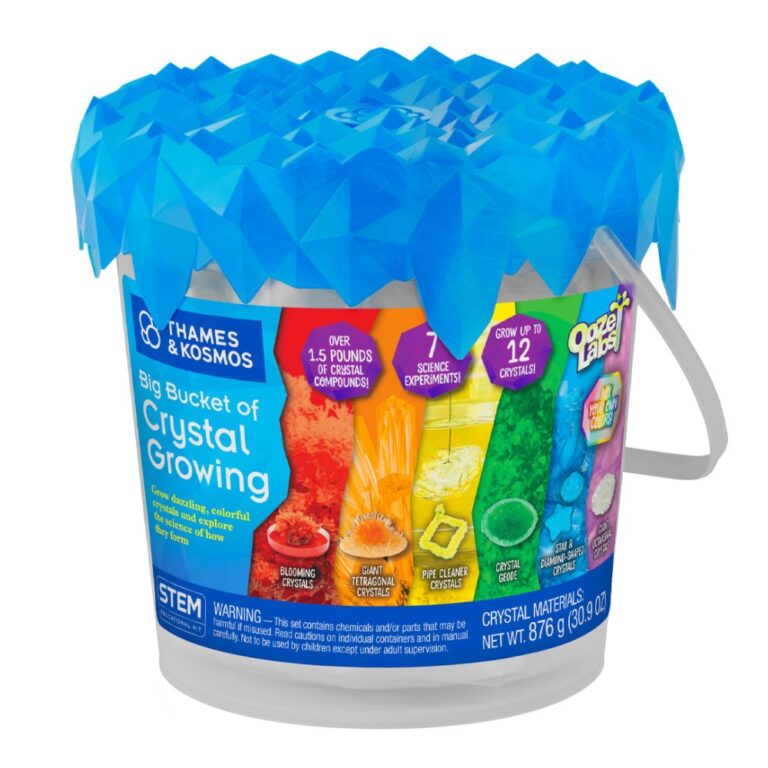
Science kits bundle materials and instructions for a series of experiments, such as growing crystals, making slime, building volcanoes or exploring chemistry. They suit roughly ages 6 to 10, with adult help for anything involving chemicals or heat. Kids follow the steps, watch something fizz or change color, and ask "why?" a lot. The best kits explain the science in plain language and encourage kids to change one thing and try again. How long it holds interest: usually as long as the experiments last, so many kits are one-and-done. The drawback: some contain very little material for the price. Thames & Kosmos and KiwiCo are well-known makers.
4. Coding Toys and Robots
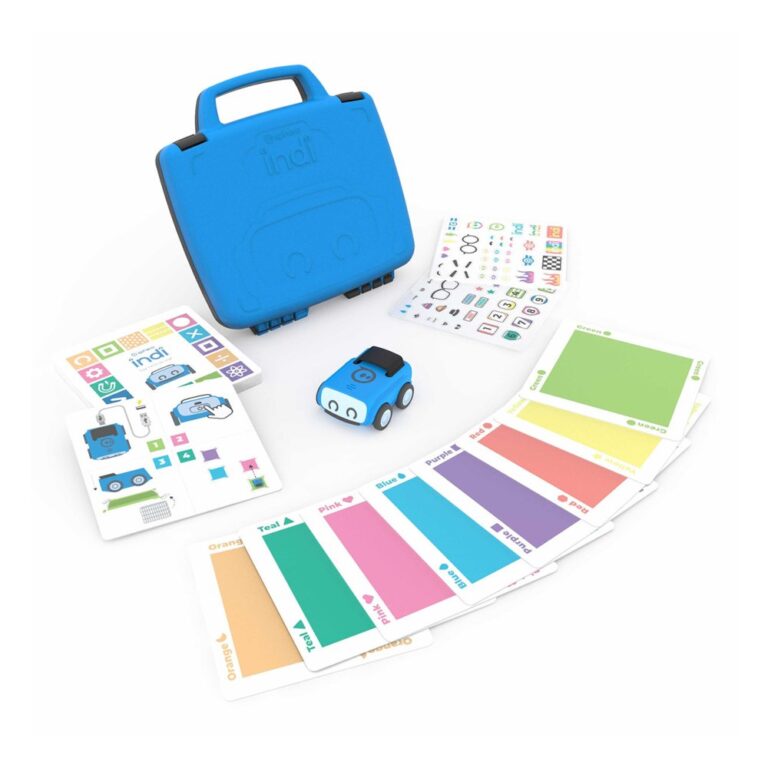
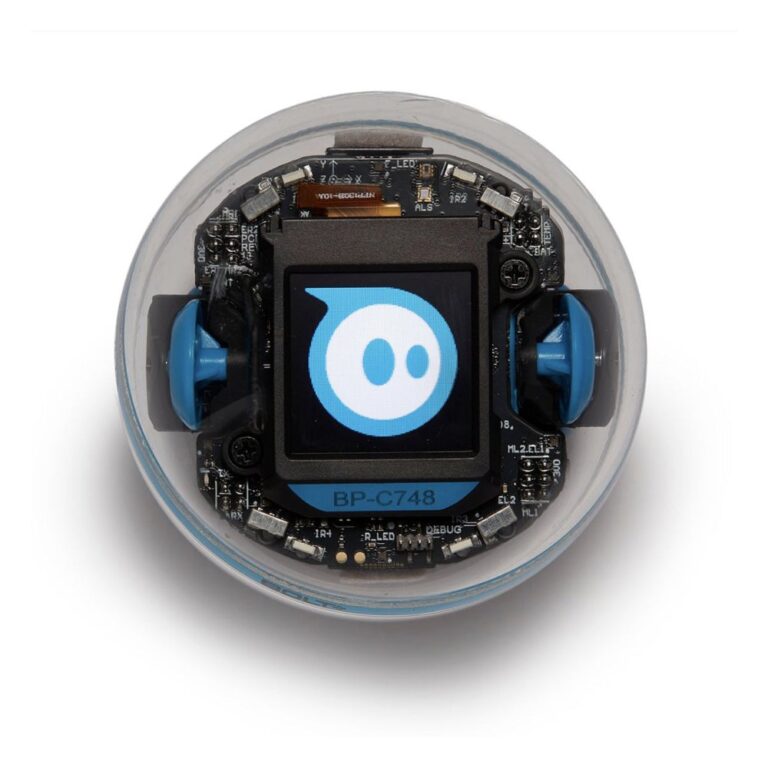
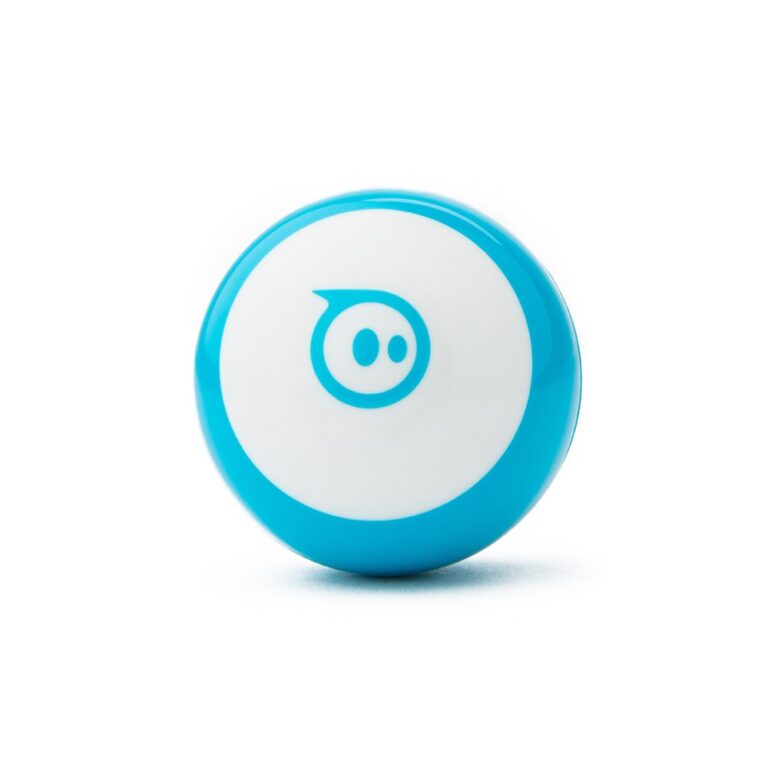
Screen-free coding toys let young kids program a robot by pressing arrow buttons or laying out cards, while app-based robots suit older kids. They cover roughly ages 4 to 10. Younger children plan a path for a robot mouse to reach the cheese. Older kids use block-based coding on a tablet to make a robot draw, dance or navigate a maze. Look for toys that work without a screen for younger kids, and simple, well-supported apps for older ones. How long it holds interest: varies hugely, and adult involvement makes a big difference. The drawback: price, and batteries. Learning Resources makes screen-free coding toys, and Sphero and Wonder Workshop make app-based robots.
5. Magnet and Circuit Kits
Circuit kits use snap-together pieces to build working circuits that light bulbs, spin fans and play sounds, without soldering. Magnet kits explore attraction, repulsion and what magnets will pick up. Circuit kits suit roughly ages 8 and up, while simple magnet wands and discovery sets work from about age 4 with supervision. Kids follow project diagrams, then start inventing their own combinations. How long it holds interest: a long time for kids who enjoy taking things apart. The drawback: small parts and batteries. Loose magnets are especially dangerous if swallowed, so read the AAP's warning on magnetic toys. Snap Circuits by Elenco is the classic circuit kit.
6. Puzzles and Logic Games
Logic puzzles and single-player challenge games give kids a set of cards with problems that get gradually harder, such as sliding blocks to free a car or fitting shapes into a grid. They suit roughly ages 5 to 10, and many have junior versions for younger children. Kids work through levels on their own, which makes them great for quiet time and travel. Look for games with a clear difficulty progression and pieces that store neatly in the box. How long it holds interest: often months, because the challenges keep getting harder. The drawback: kids who get stuck may give up, so sit with them for the first few. ThinkFun and SmartGames make popular logic games.
7. Measuring and Nature Exploration Tools
A magnifying glass, a bug viewer, a pair of kids' binoculars, a measuring tape and a simple kitchen scale can turn an ordinary afternoon into an investigation. They suit ages 3 to 10. Kids examine leaves, collect rocks, measure everything in the house and weigh their toys. This kind of real-world exploration is science in its purest form, and it costs very little. Look for sturdy, kid-sized tools with shatterproof lenses. How long it holds interest: comes and goes with the seasons, and peaks in spring and summer. The drawback: bug viewers occasionally lead to unexpected houseguests. Many educational toy brands sell explorer kits, but individual tools work just as well.

8. Simple Engineering Kits
Engineering kits give kids rods, connectors, gears and wheels to build machines, vehicles and moving models. They suit roughly ages 5 to 10. Kids follow instructions to build a crane or car, then discover how gears change speed and how a lever lifts a load, often by accident. Monthly project boxes deliver a new build each time. Look for kits with parts that can be reused in different builds, rather than single-use models glued together. How long it holds interest: varies, and reusable parts extend it a lot. The drawback: instructions can be frustrating for younger kids. K'NEX makes classic building sets, and KiwiCo offers monthly engineering crates.
9. Math Games
Math games turn counting, adding and strategy into something kids want to play. Simple board and card games with dice, counting and matching suit ages 4 to 6, while strategy and number games suit ages 7 to 10. Families play them after dinner or on weekends, and kids practise math without noticing. Look for games with short rounds, clear rules and a balance of luck and skill, so younger players can win sometimes. How long it holds interest: long, if the whole family plays. The drawback: a game that's too easy or too hard gets abandoned fast, so check the age range carefully. Many classic family board games involve counting and strategy too.
Getting the Most Out of a STEM Toy
Even a great toy can end up ignored if it arrives with no context. Play alongside your child for the first session, asking questions like "what do you think will happen?" rather than giving instructions. Keep the toy somewhere visible and easy to reach, not packed away in its box on a high shelf. Mix pieces from different sets, so bricks become ramps for the marble run and magnets end up in the science corner. And don't worry if a toy is ignored for a while. Many kids rediscover a kit months later, when they're ready for it.
How to Tell a Real Learning Toy from a Marketing Label
"STEM" on a box doesn't mean much on its own. A toy that genuinely supports learning usually lets a child experiment, trying something and seeing what happens. It's open-ended, with more than one right answer or way to play. It grows with the child, offering new challenges as their skills improve. And it's something a child would choose to play with on a rainy afternoon. Be sceptical of toys that promise to make kids smarter or improve test scores. The honest truth is that curiosity, play and time with adults matter more than any one product. The AAP's article on how the best toys go back to the basics makes the same point.
Safety: Small Parts, Batteries and Magnets
Check age labels carefully, because many STEM toys contain small parts, marbles, button batteries or magnets that are dangerous for young children. Keep kits for older siblings away from toddlers. Make sure battery compartments are screwed shut, and read the AAP's advice on button batteries. You can check products for recalls with the U.S. Consumer Product Safety Commission or your local equivalent, and the AAP has a guide on how to buy safe toys.
The Best First STEM Toy by Age
Ages 3 to 5: a big set of chunky building bricks or magnetic tiles. They're open-ended, sturdy and will still be used in five years.
Ages 6 to 8: a marble run or a screen-free coding robot. Both give kids the thrill of building something and watching it work.
Ages 9 to 10: a circuit kit or a logic game series. Kids this age love a real challenge they can work through on their own.