

Some links in this article may be affiliate links, which means we may earn a commission at no extra cost to you.
- Cooking Tools for Kids That Make a Real Difference
- 1. Learning Towers and Kitchen Step Stools
- 2. Kid-Safe Knives
- 3. Aprons
- 4. Kids' Baking Sets
- 5. Silicone Mixing Tools
- 6. Measuring Cups and Spoons
- 7. Cookie Cutters
- 8. Kids' Cookbooks
- 9. Beginner Cooking Kits and Subscriptions
- Set Up a Kid-Friendly Kitchen Station
- Handling the Mess
- Kitchen Jobs by Age
- Food Safety and Allergies
- A First Recipe Idea for Each Age
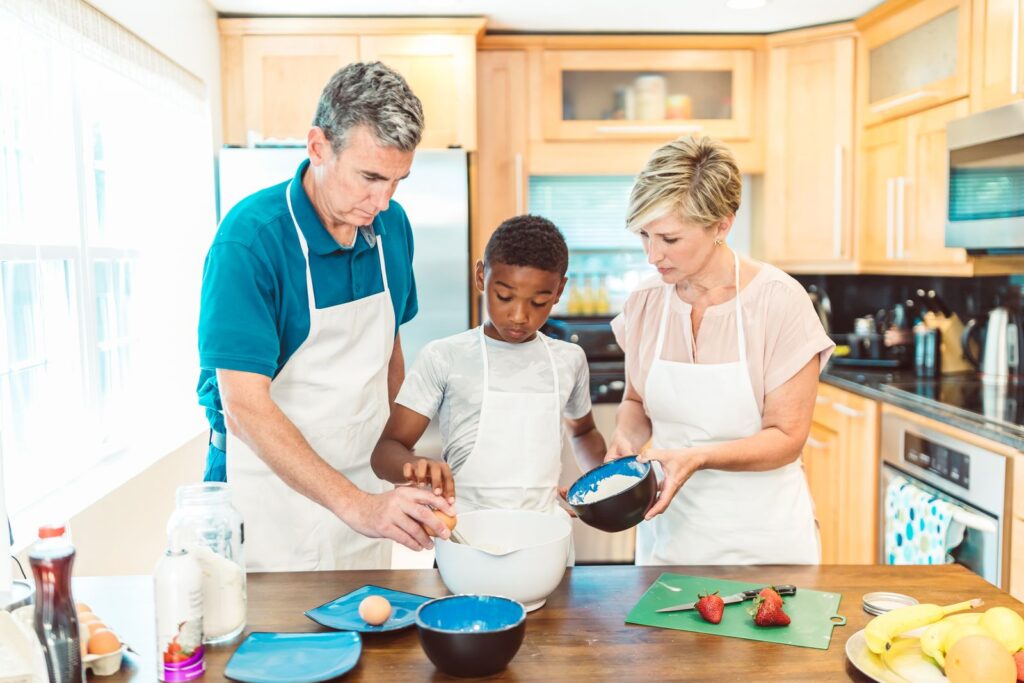
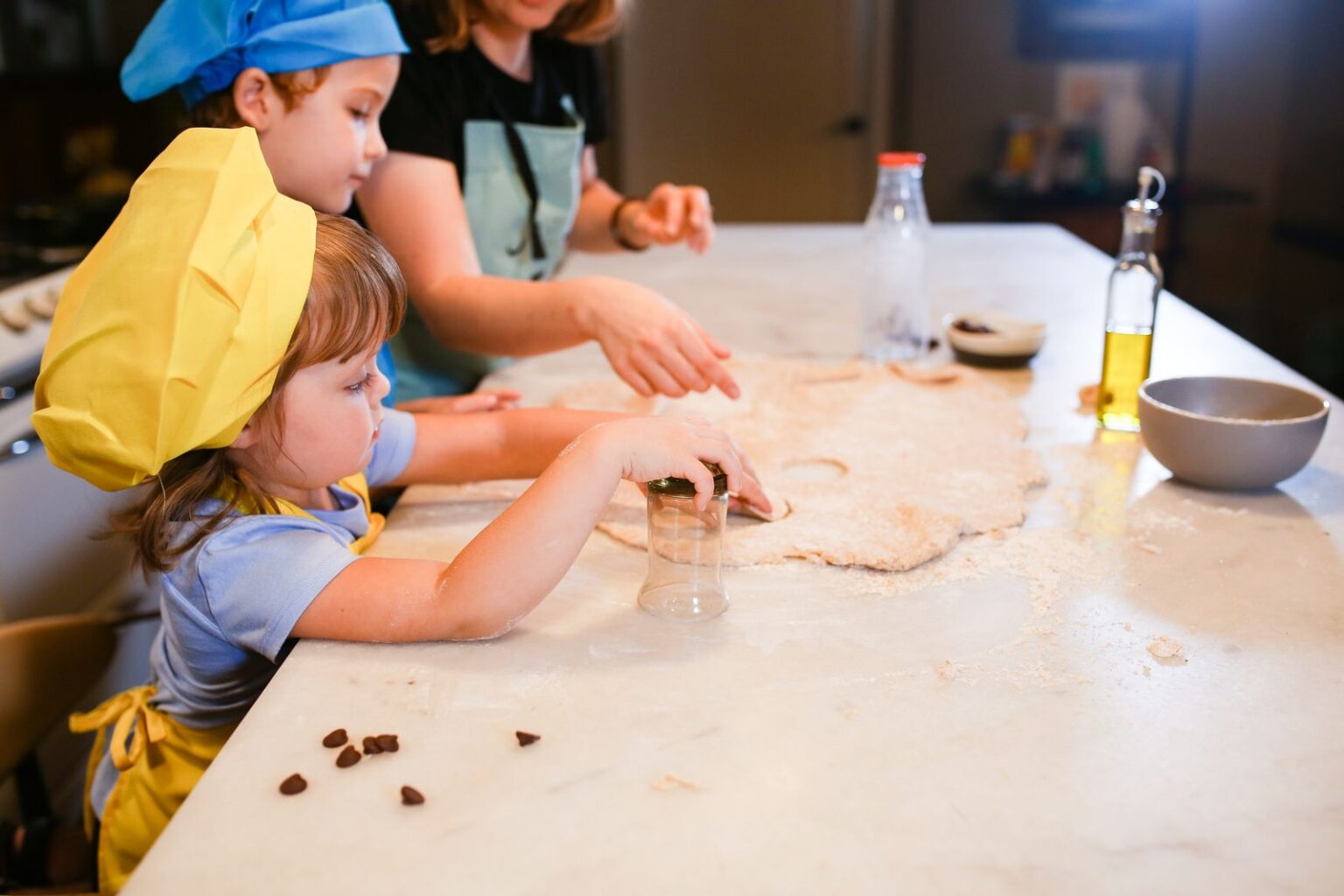
Cooking with kids is equal parts joy and chaos: flour on the ceiling, eggshell in the batter, and a very proud small person announcing that they "made dinner." It's also one of the best ways to build independence, try new foods and spend real time together. The right cooking tools for kids make the whole thing safer and less stressful, so you can focus on the fun rather than the mess. Here are nine worth considering for kids aged 3 to 10.
Adult supervision matters in every kitchen activity, especially around heat, knives and appliances. The AAP has helpful tips on cooking with your children and kitchen safety.
Cooking Tools for Kids That Make a Real Difference
1. Learning Towers and Kitchen Step Stools
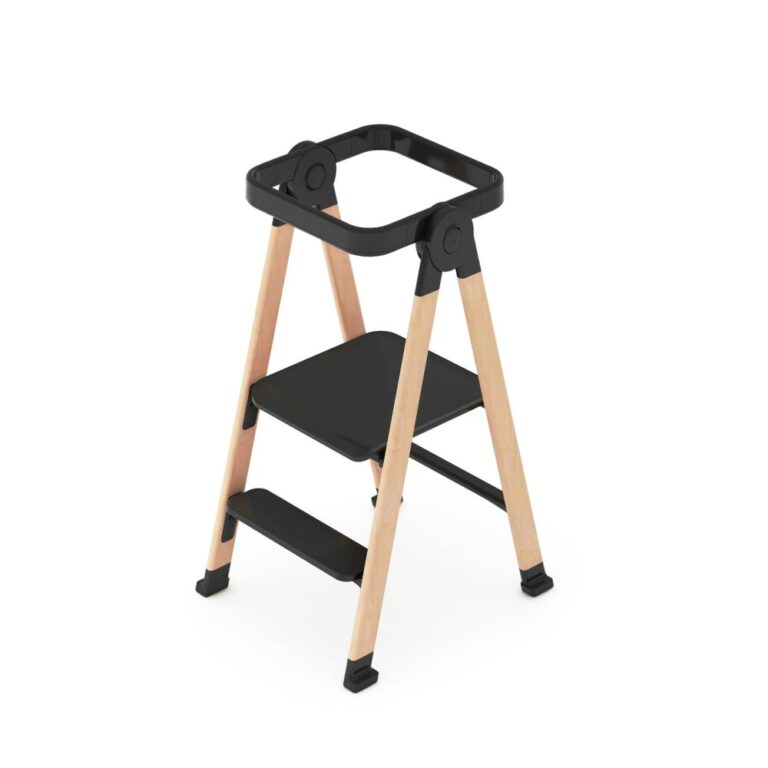
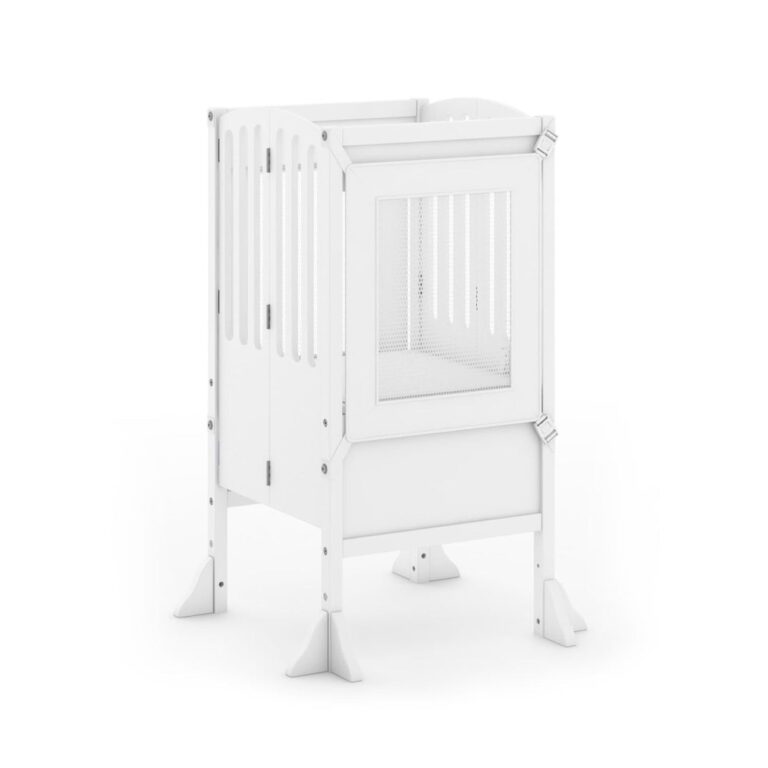
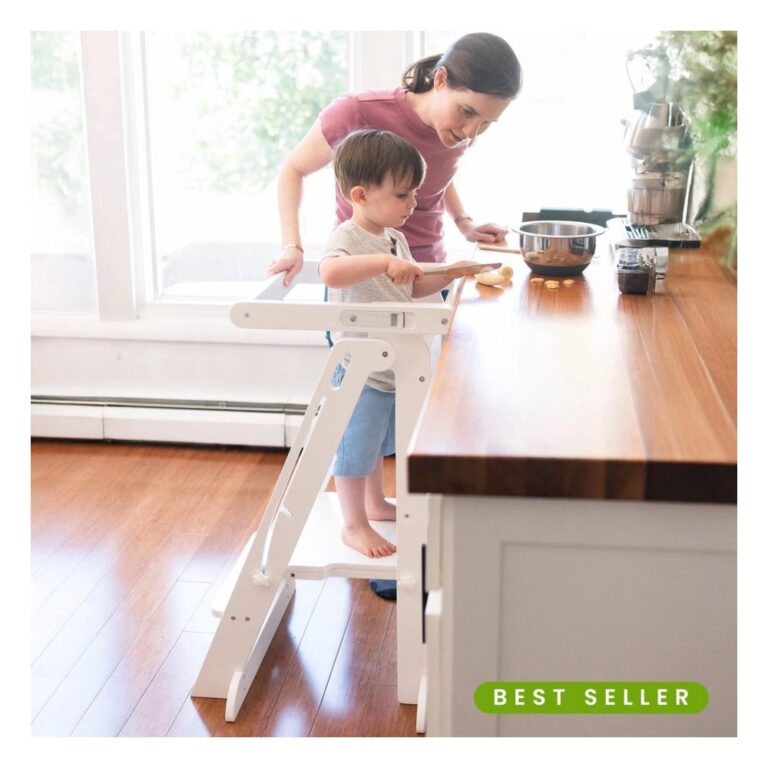
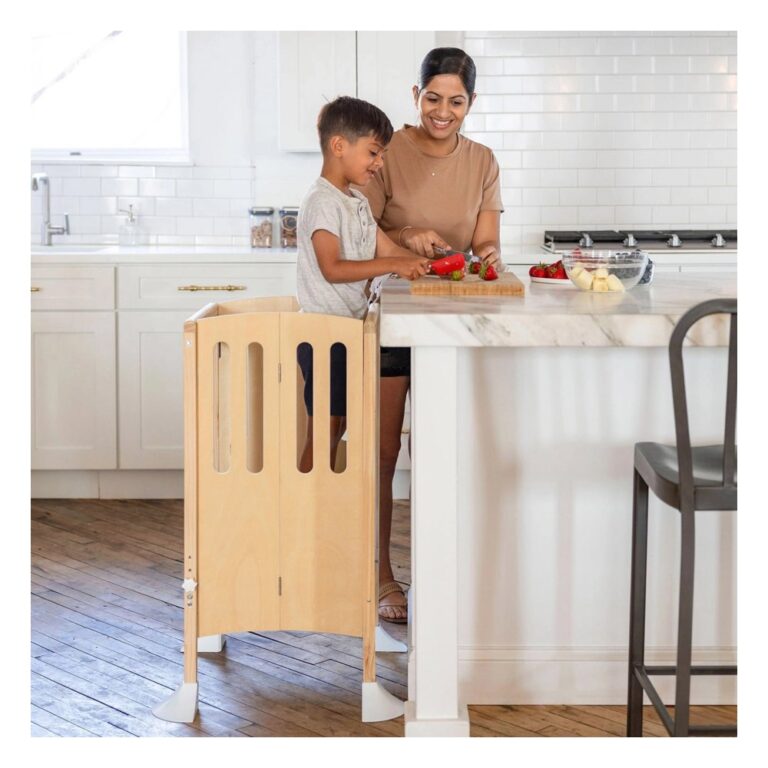
A learning tower is an enclosed step stool with railings on all sides, which lets a toddler stand safely at counter height. They suit roughly ages 18 months to 5. Kids can wash vegetables, stir bowls and watch what you're doing, instead of pulling at your legs asking to see. Look for adjustable platform heights, a wide, stable base, and railings on all four sides for younger children. Older kids can use a sturdy two-step stool. The drawback: learning towers are bulky and take up floor space. Always keep them away from the hob. Little Partners and Guidecraft make popular learning towers.
2. Kid-Safe Knives
Kid-safe knives let children practise cutting soft foods without a razor-sharp blade. Nylon or plastic serrated knives suit ages 3 to 6 for cutting bananas, cucumbers and soft cheese. Older kids, around 7 to 10, can move to small, real knives with rounded tips, under close supervision. Teach the "bear claw" grip, with fingers tucked back, from the start. Look for a comfortable handle sized for small hands. The drawback: even kid-safe knives can cut with pressure, so supervise closely. Opinel makes a rounded-tip knife for children.
3. Aprons
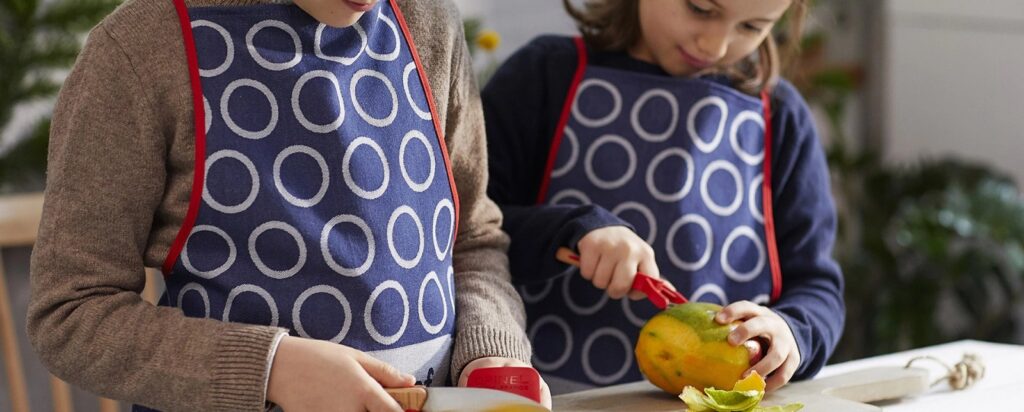
A kids' apron protects clothes and, just as importantly, signals that it's cooking time. Aprons suit ages 3 to 10. Kids love wearing them, and putting one on becomes part of the routine. Look for an adjustable neck strap, waterproof or wipeable fabric, and a pocket or two for pretend (or real) tools. A matching adult apron is a fun extra. The drawback: kids grow out of them, so choose adjustable ones. Keep long hair tied back and sleeves pushed up, and avoid loose, dangling ties near the hob. Many kitchen and craft brands sell kids' aprons.
4. Kids' Baking Sets
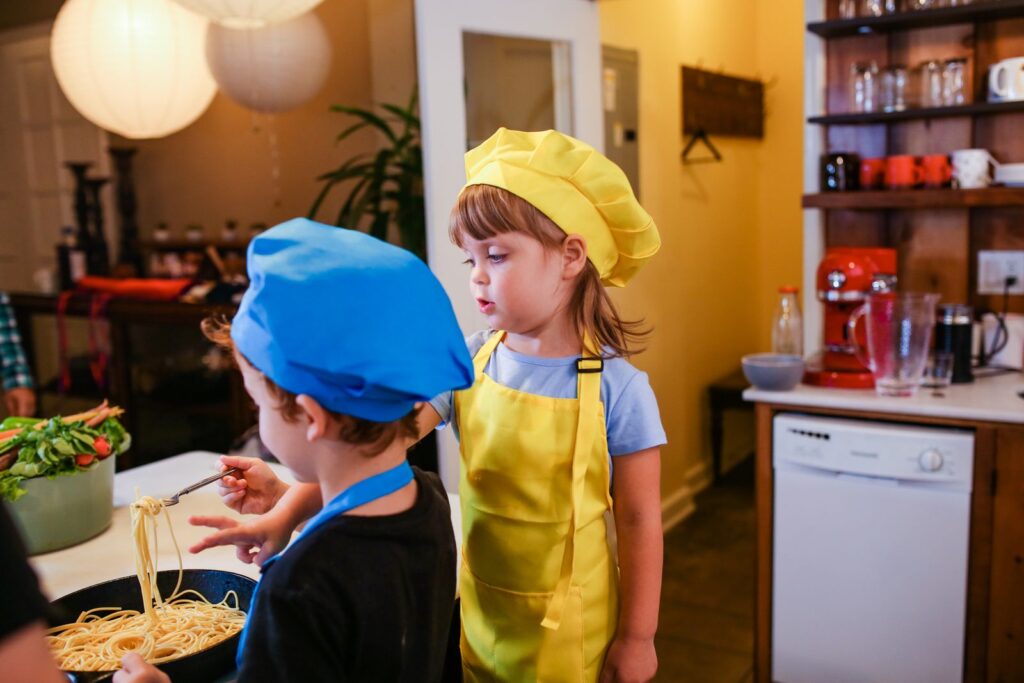
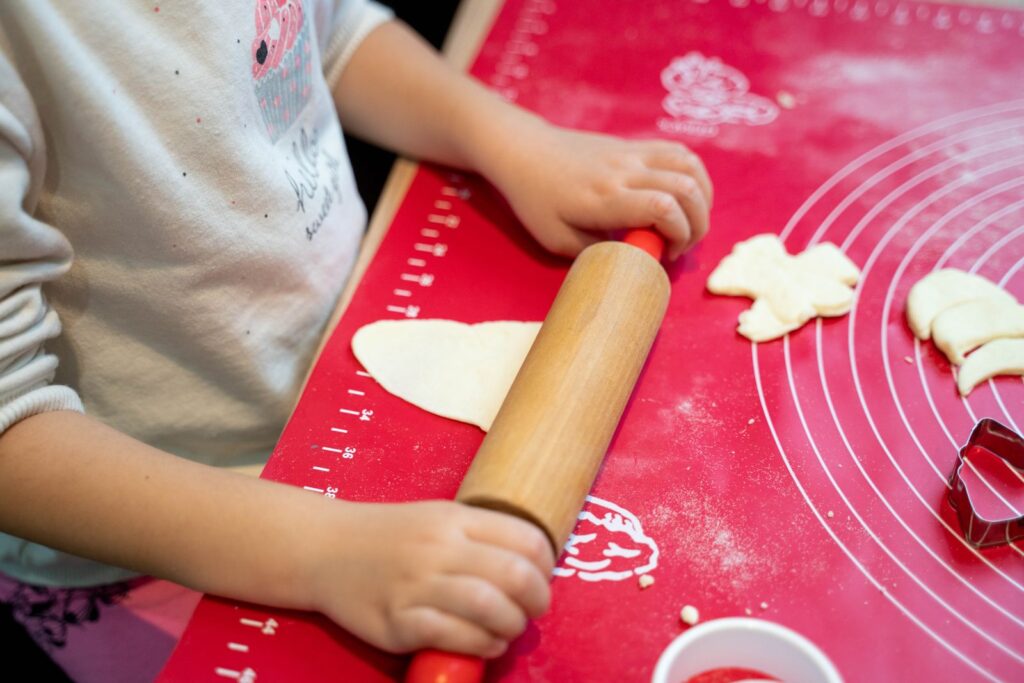
Kids' baking sets bundle smaller versions of real tools, like a rolling pin, whisk, spatula and mini baking tins. They suit ages 3 to 10. Kids roll dough, whisk batter and fill muffin cases, which are all jobs young children can do well. Look for real, functional tools rather than toys, made of sturdy materials that are dishwasher safe. Mini muffin tins are especially satisfying. The drawback: some sets include lots of pieces that end up unused, so a few quality tools may be better than a big box. Oven work stays with the adults.
5. Silicone Mixing Tools
Silicone spatulas, whisks and scrapers are soft, flexible and easy for kids to use without scratching bowls. They suit ages 3 and up. Kids stir, fold, scrape out every last bit of batter (and lick the spatula). Silicone is heat resistant, but kids still shouldn't use tools near hot pans. Look for one-piece designs with no joints where food can get trapped, since they're easier to clean. The drawback: cheaper silicone can hold smells and stains. A heavy mixing bowl with a non-slip base, or a damp towel under the bowl, stops everything spinning around the counter.
6. Measuring Cups and Spoons
Measuring cups and spoons turn baking into a maths lesson without anyone noticing. They suit ages 3 and up. Younger kids scoop and pour, while older kids read recipes, double quantities and learn fractions. Look for clearly marked measurements, colour-coded sets for easy identification, and sturdy handles. A clear liquid measuring jug with big markings helps kids check levels at eye height. The drawback: small measuring spoons get lost in drawers. Keep them together on a ring. OXO sells measuring tools with easy-to-read markings.
7. Cookie Cutters
Cookie cutters are a simple, satisfying tool that suits ages 2 to 10. Kids press shapes into dough, sandwiches or soft fruit, then proudly arrange them. It's also a great way to make new foods more appealing. Look for cutters with rounded top edges or a plastic grip, so little hands can press without pain, and simple shapes for younger children. The drawback: intricate shapes with thin sections break or stick, and tiny cutters are frustrating. Metal cutters can have sharp edges, so check before handing them over. Wilton sells a wide range of cookie cutter sets.
8. Kids' Cookbooks
A cookbook written for kids uses simple steps, lots of pictures and recipes that children actually want to eat. They suit ages 5 to 10, and younger kids enjoy choosing a recipe from the photos. Kids read steps, gather ingredients and gain confidence following instructions. Look for books with clear safety notes, step-by-step photos and recipes tested with children. The drawback: some kids' cookbooks focus on treats, so balance them with everyday meals. America's Test Kitchen Kids publishes cookbooks with recipes tested by kids.
9. Beginner Cooking Kits and Subscriptions
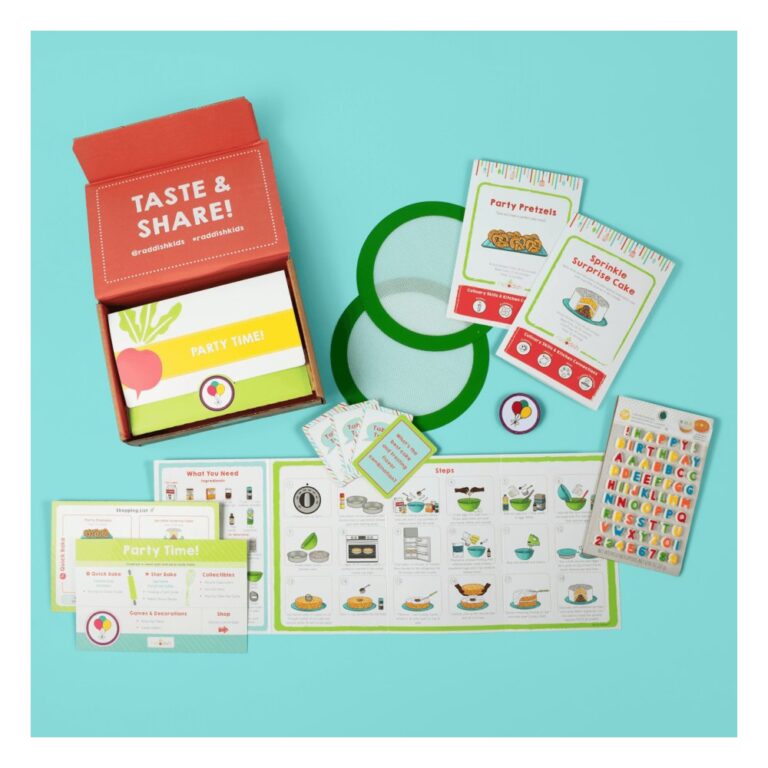
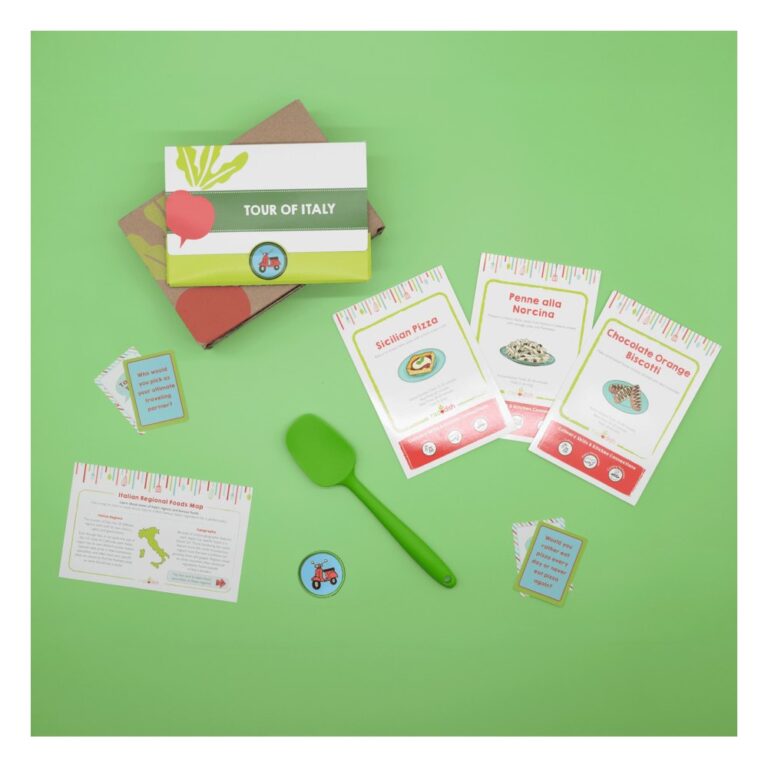
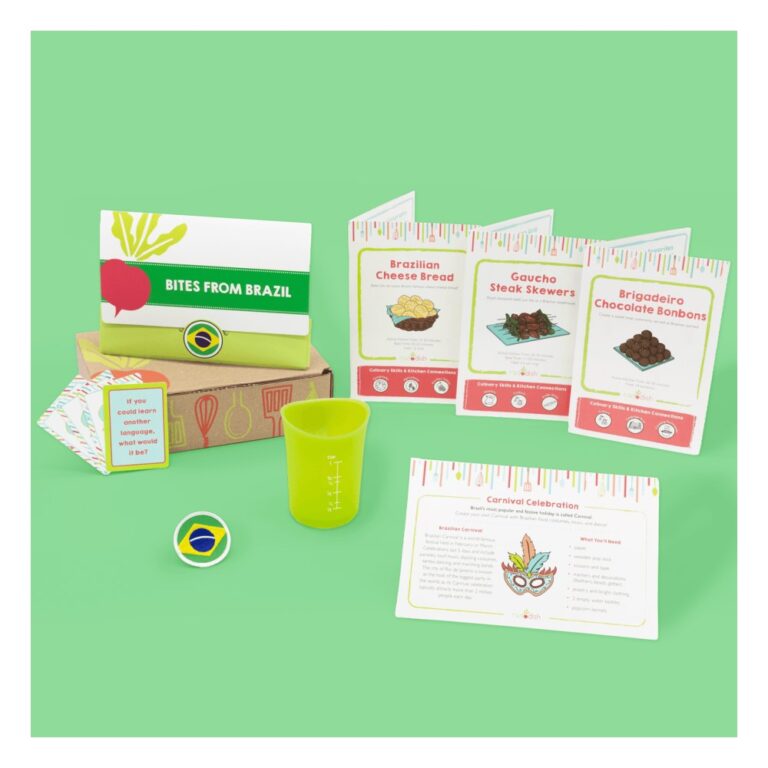
Cooking kits and subscription boxes deliver a themed set of recipes, a tool or two, and shopping lists each month. They suit ages 4 to 10. Kids open the box, choose what to cook, and help shop for ingredients, which builds excitement for the whole process. Look for kits with age-appropriate recipes, clear instructions and flexible subscriptions you can pause. The drawback: they can be pricey, and you still need to buy the ingredients. Raddish is a well-known cooking club for kids.
Set Up a Kid-Friendly Kitchen Station
A little preparation makes cooking with kids far calmer. Before you start, clear a section of counter and put out only the tools and ingredients for that recipe. Pre-measure anything tricky for younger kids, and put a damp towel under bowls so they don't spin. Keep a low drawer or basket with your child's own tools, like their apron, nylon knife, whisk and measuring cups, so they can get ready on their own. Turn pan handles inward, keep sharp knives out of reach, and decide in advance which jobs are theirs and which are yours.
Handling the Mess
There will be mess, and that's fine. Cook on a day when you're not in a hurry, lay down an old sheet or splat mat under the step stool, and keep a cloth nearby for spills. Make cleaning up part of the job, with kids wiping the counter or loading the dishwasher. They'll feel even more like real cooks.
Kitchen Jobs by Age
Ages 3 to 4: washing fruit and vegetables, tearing lettuce, pouring pre-measured ingredients, stirring cold mixtures, and pressing cookie cutters.
Ages 5 to 6: measuring ingredients, cracking eggs (into a separate bowl first), cutting soft foods with a nylon knife, and setting the table.
Ages 7 to 8: reading simple recipes, using a grater with supervision, peeling vegetables, and making sandwiches and salads.
Ages 9 to 10: following full recipes, using a small knife with supervision, and helping at the hob with an adult right beside them.
Food Safety and Allergies
Wash hands before cooking and after touching raw meat, eggs or flour. Raw flour and raw eggs can carry germs, so skip tasting raw batter and dough. For guidance on handling raw ingredients safely, see the USDA and its food safety resources. If you're cooking with other people's children, always check for food allergies first, and see FARE for general food allergy information.
A First Recipe Idea for Each Age
Ages 3 to 4: a no-cook recipe with lots of stirring and pouring, like a fruit salad, yogurt parfait or a simple dip.
Ages 5 to 6: a simple baked recipe with measuring and mixing, like muffins or banana bread, with adults handling the oven.
Ages 7 to 8: an assembly meal where kids choose and prepare fillings, like homemade pizzas or wraps.
Ages 9 to 10: a simple family meal cooked together, like pasta with a homemade sauce, with kids doing most of the steps and an adult at the hob.