

Some links in this article may be affiliate links, which means we may earn a commission at no extra cost to you.
- Durable Kids Clothes and Shoes That Earn Their Price
- 1. Reinforced-Knee Pants
- 2. Rain Jackets and Rain Boots
- 3. Waterproof Mittens and Hats
- 4. Everyday Sneakers
- 5. Sandals
- 6. Sun Hats and UV-Protective Swimwear
- 7. Layering Basics
- 8. Pajamas
- 9. Secondhand and Hand-Me-Down Sources
- Checking Fit as They Grow
- How to Make Kids' Clothes Last Longer
- What to Buy New and What to Buy Secondhand
- A Simple Seasonal Capsule for a Growing Kid
Kids destroy clothes in two ways: fast, by sliding down a gravel path on their knees, and slow, by growing two sizes while you weren't looking. Either way, you end up buying the same pair of trousers three times a year. Durable kids clothes and shoes won't stop the growing, but they can survive long enough to be outgrown rather than worn through, and maybe even be passed on. Here are nine kinds of gear worth choosing carefully.
Price ranges below are rough US estimates and change often, so check current prices before you buy.
Durable Kids Clothes and Shoes That Earn Their Price
1. Reinforced-Knee Pants
Knees are where kids' trousers die, so pants with a double layer or reinforced patch at the knee last much longer for crawlers, climbers and anyone who plays football on concrete. They suit active kids from about 2 to 10. Look for sturdy cotton twill or canvas, an adjustable elastic waist so they fit through a growth spurt, and a fabric that washes well without shrinking. The drawback: they're a little stiffer than soft joggers, and some kids protest. Primary and Hanna Andersson are known for durable kids' basics, and Patagonia makes hard-wearing kids' pants. Roughly $20 to $50.
2. Rain Jackets and Rain Boots
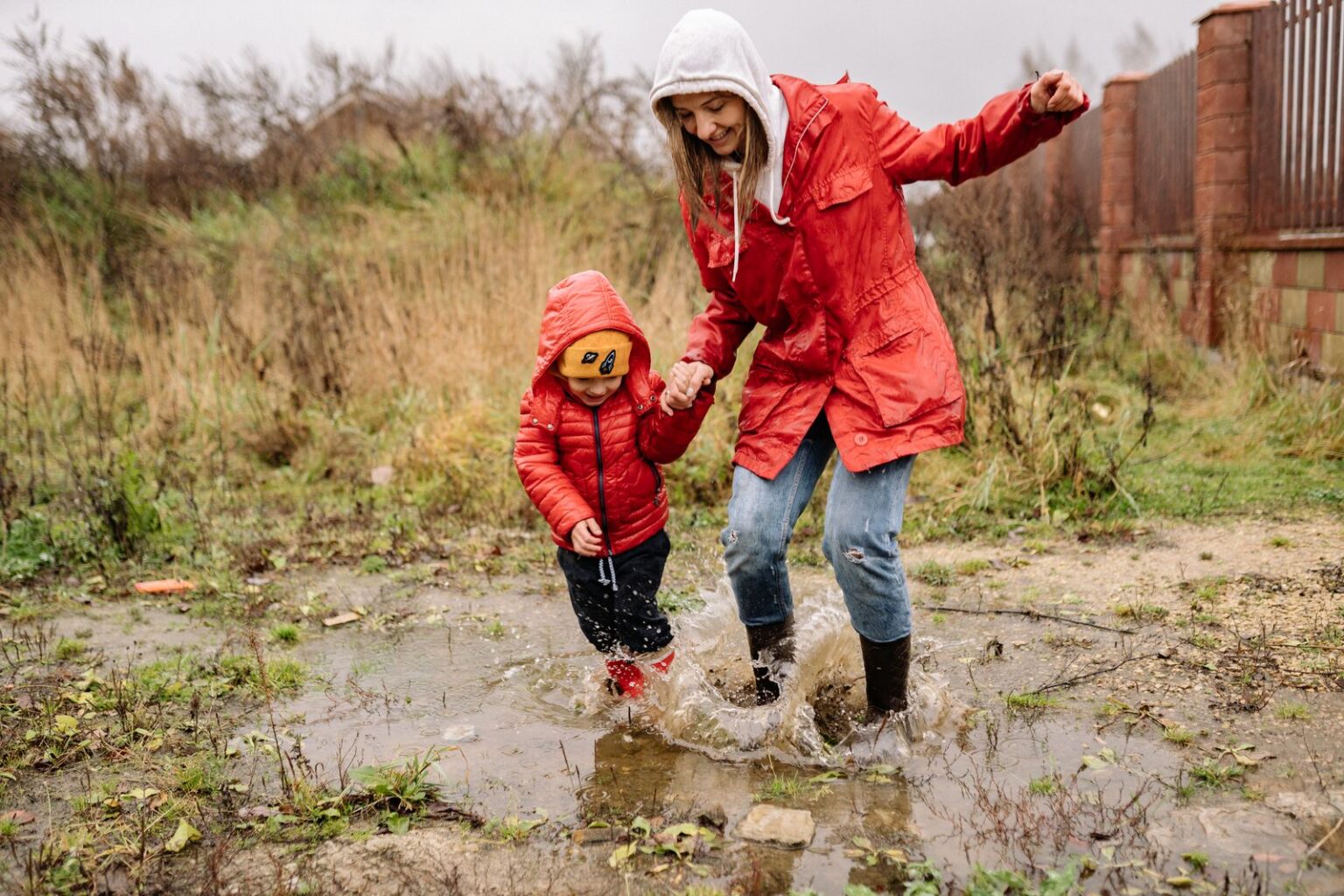
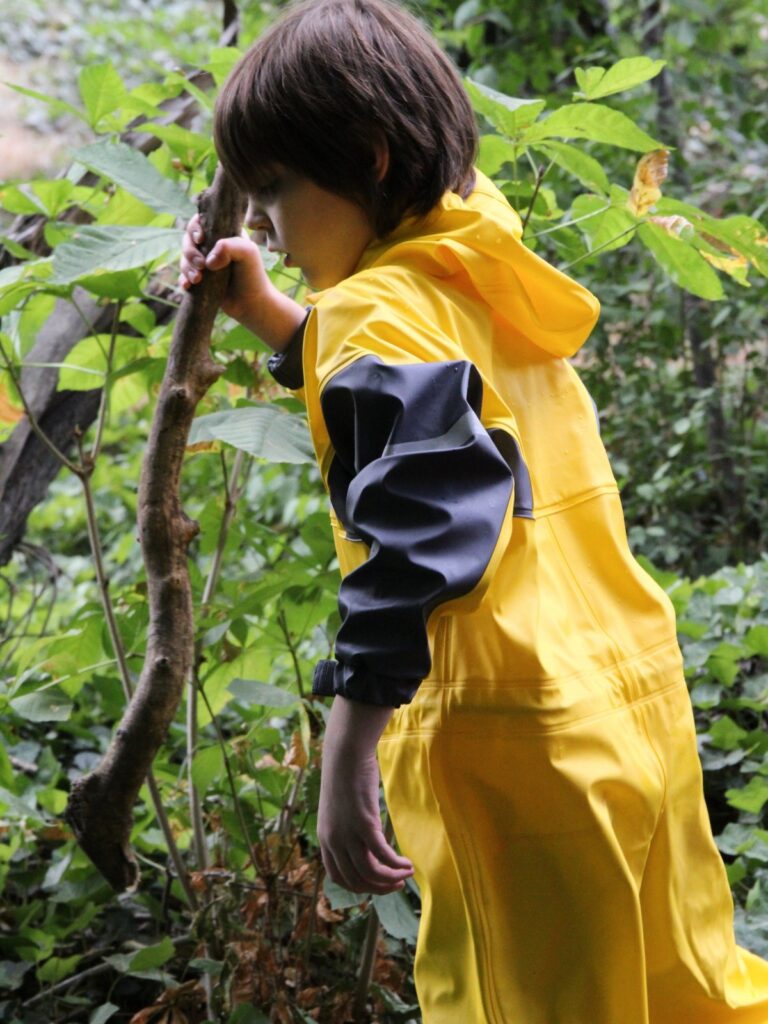
Good rain gear means puddles become a game instead of a reason to go home early. Toddlers do best in a one-piece rain suit, while older kids prefer a jacket with rain pants. Look for waterproof fabric with taped seams, a hood that stays on, and room for a warm layer. Boots should have pull-on handles, grippy soles and space for thick socks. The drawback: waterproof fabric doesn't breathe well, and rubber boots rub on long walks. Wash rain gear without fabric softener to protect the waterproofing. Oaki makes kids' rain suits, and Bogs makes insulated boots. Roughly $25 to $80 each.
3. Waterproof Mittens and Hats
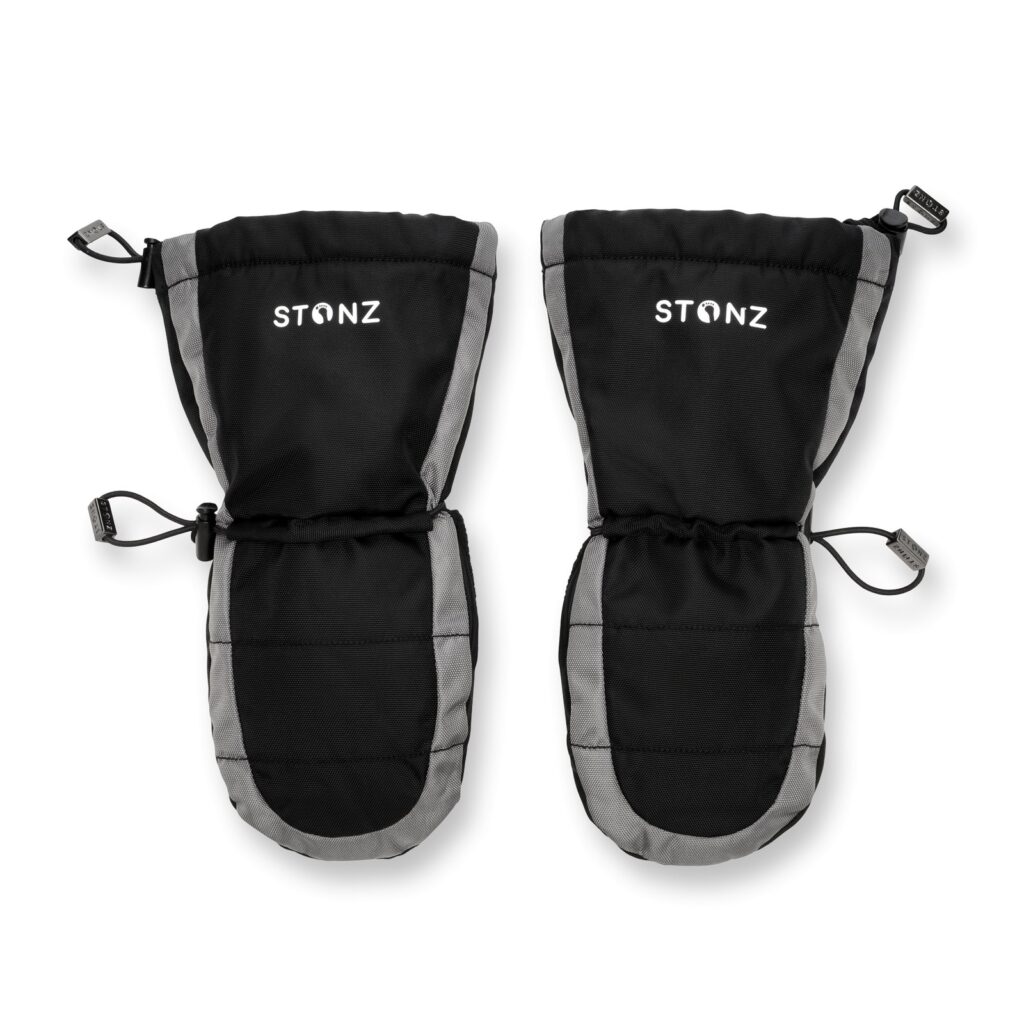
Kids lose mittens at an astonishing rate, so good ones need to be both warm and hard to lose. For toddlers, long-cuff mittens that zip or velcro over the sleeve stay on far better than gloves. Older kids manage gloves with a waterproof shell for snow play. Look for waterproof outer fabric, a warm lining, and a clip or string to attach them to the coat. A warm hat with ear coverage and a chin strap works well for younger kids. The drawback: wet mittens take ages to dry, so owning two pairs is worth it. Stonz makes easy-on toddler mittens. Roughly $15 to $40.
4. Everyday Sneakers
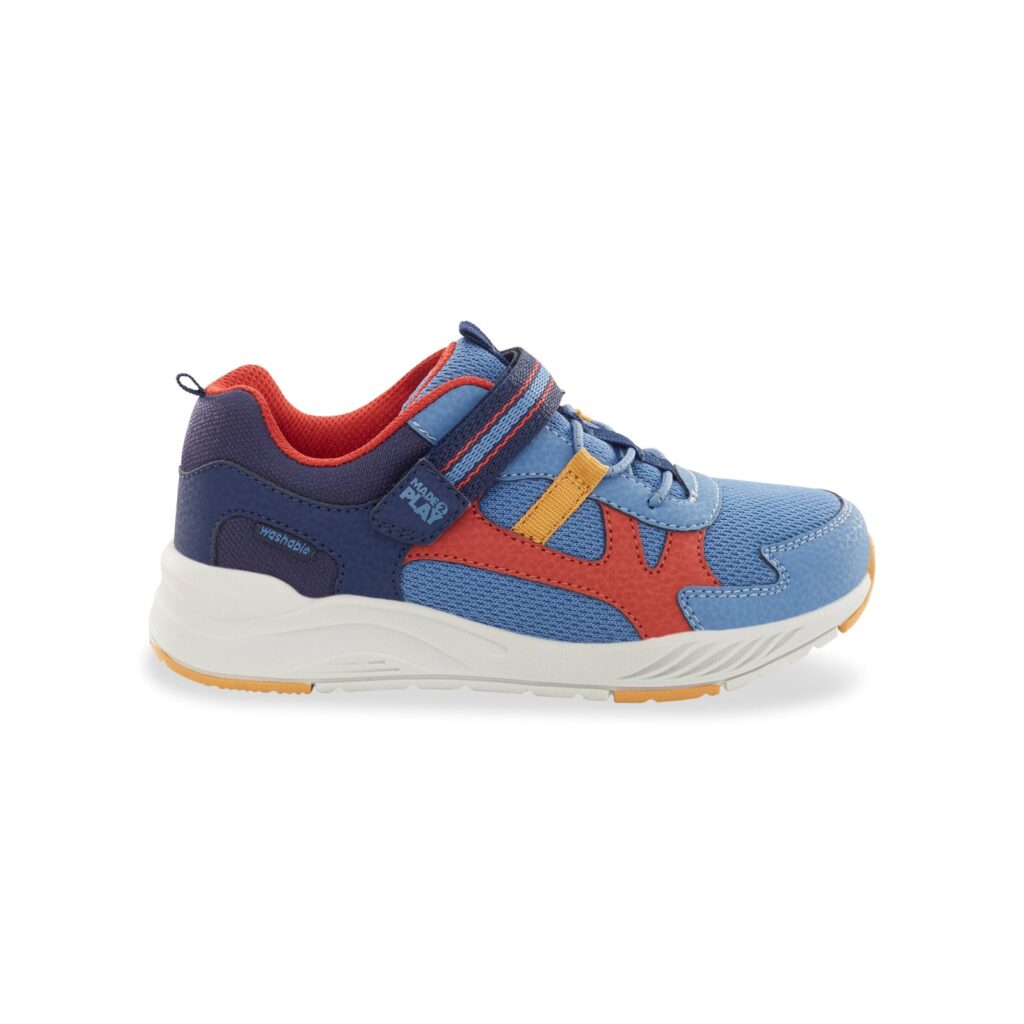
Sneakers get the hardest use of anything a child wears. Look for a flexible sole that bends at the ball of the foot, a firm heel, a toe cap that protects against scuffing, and velcro or elastic laces for kids who can't tie yet. Leave about a thumb's width of room at the toe, and check fit every couple of months. The AAP has guidance on shoes for active toddlers, and if you have concerns about how your child walks, check with your pediatrician. The drawback: kids outgrow them fast. Stride Rite and See Kai Run are known for kids' shoes. Roughly $30 to $70.
5. Sandals
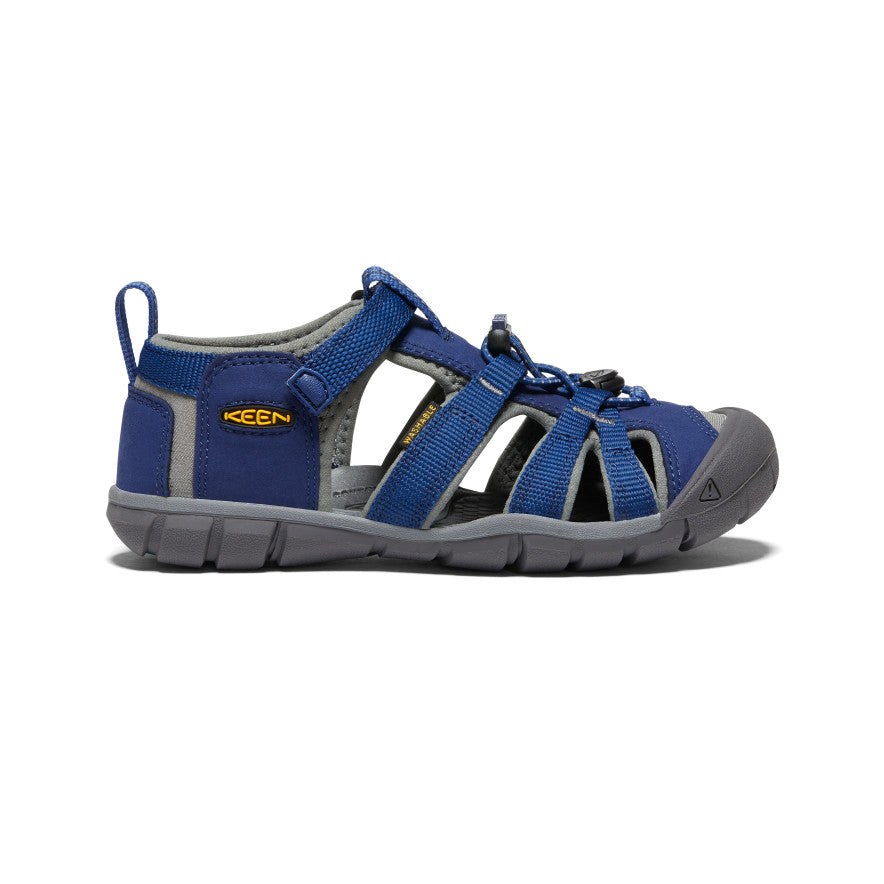
Closed-toe sport sandals are the playground-friendly summer choice, protecting toes while letting feet breathe. They suit kids from about 2 to 10, and many can go in water too. Look for secure straps that adjust with velcro, a protective toe bumper, a grippy sole and a quick-drying material. Avoid flip-flops for active play, since they slip and trip. The drawback: sandals with lots of padding can smell after a summer of wet use, so choose washable styles. KEEN is known for closed-toe kids' sandals. Roughly $30 to $60.
6. Sun Hats and UV-Protective Swimwear
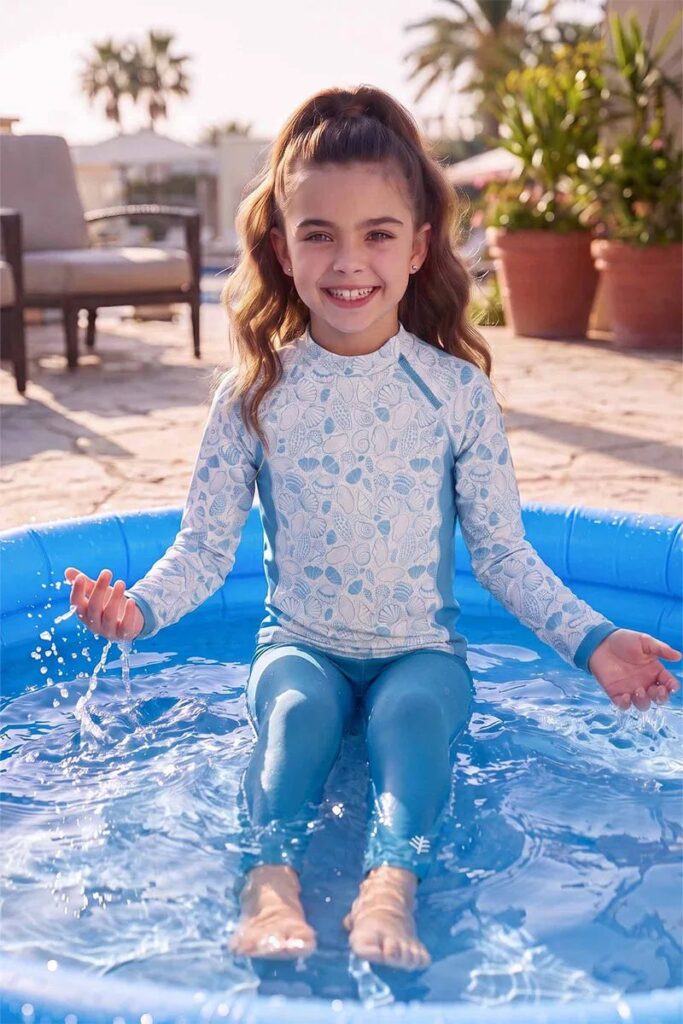
A wide-brimmed sun hat and long-sleeved swimwear cover a lot of skin without needing constant sunscreen reapplication. Look for hats with a wide brim or a neck flap, a chin strap, and a UPF rating on clothing. Rash guards and swimsuits with a UPF label suit babies to older kids. Sunscreen is still needed on exposed skin, so read the AAP's sun safety tips. The drawback: kids often pull hats off, so pick one they like wearing. Coolibar makes UPF clothing and hats for kids, and Primary makes rash guards. Roughly $15 to $40 per item.
7. Layering Basics
Layering basics, like plain long-sleeve tops, leggings and a fleece or light puffer, do most of the work in a child's wardrobe. Buying good basics in solid colours means everything goes with everything, so getting dressed is quicker. Look for soft cotton or cotton blends with reinforced seams, necklines that go over a big head easily, and colours that hide stains. A mid-weight fleece is one of the most versatile layers a child can own. The drawback: solid basics can feel boring to kids, so let them pick a few favourite prints. Primary is known for solid-colour kids' basics. Roughly $10 to $40 per item.
8. Pajamas
Kids' pajamas are washed more often than almost anything else they own, so they need to hold up. Look for snug-fitting cotton pajamas or pajamas made from flame-resistant fabric, as children's sleepwear in the US must meet flammability rules. Check the label for "snug fitting" or flame resistance, and read the CPSC's children's sleepwear guidance. Soft, tagless seams help sensitive sleepers. The drawback: snug-fitting pajamas can feel tight, so check sizing. Hanna Andersson is known for long-lasting kids' pajamas. Roughly $20 to $45 a set.
9. Secondhand and Hand-Me-Down Sources
Kids outgrow clothes so fast that secondhand is often the smartest option. Hand-me-downs from friends and cousins are free and often barely worn. Local swap groups such as the Buy Nothing Project let neighbours give away outgrown clothes, and resale sites like thredUP sell used kids' clothes online. Charity shops and school sales are worth a browse too. Look for good-quality brands, since they survive a second (or third) child. The drawback: sizing can be inconsistent, so measure before you buy.
Checking Fit as They Grow
Kids rarely tell you when something is too small, so a quick fit check every couple of months saves a lot of sore toes and short sleeves. For shoes, press gently at the front: there should be about a thumb's width of space beyond the longest toe, and the heel shouldn't slip out as they walk. Look for red marks on feet after taking shoes off. For clothes, check that sleeves reach the wrist, trousers reach the ankle, and waistbands don't dig in. The start of each season is an easy time to do it, just before you shop.
How to Make Kids' Clothes Last Longer
A few habits add months to most kids' clothes. Wash in cold water and turn prints inside out so they don't crack. Treat stains straight away, especially grass, mud and tomato sauce, which set quickly. Skip the tumble dryer for waterproof gear and anything stretchy, since heat breaks down fabric and elastic faster. Patch knees with iron-on patches before a small hole becomes a big one. Rotate shoes so each pair gets a day off to dry out. And keep a small box of next-size-up clothes, so hand-me-downs and bargains are ready when a growth spurt arrives.
What to Buy New and What to Buy Secondhand
Buy new: everyday sneakers, which mould to a child's foot over time, and anything related to safety, such as helmets. Also consider new pajamas, so you can check the flammability label.
Buy secondhand: rain jackets, snow gear, party outfits, sandals in good condition, and basics. These are often barely worn and cost far more new.
Either: rain boots, hats and mittens. Check for cracks, holes and worn soles before buying used.
A Simple Seasonal Capsule for a Growing Kid
Keep it small and mix-and-match. For each season, aim for five or six tops, four pairs of pants or shorts, one warm layer, one waterproof layer, two pairs of shoes (one everyday, one for weather), and three sets of pajamas. Add a sun hat for summer, and mittens and a warm hat for winter. Choose colours that go together, and buy one size up for the next season when you see a good deal. It's less laundry, less decision-making, and far fewer clothes going straight into a donation bag with the tags still on.