

Some links in this article may be affiliate links, which means we may earn a commission at no extra cost to you.
- Toy Storage Ideas for Kids' Rooms That Kids Can Actually Use
- 1. Open Cube Shelves
- 2. Rolling Bins and Drawer Units
- 3. Under-Bed Storage
- 4. Toy Chests with Safe Lids
- 5. Wall-Mounted Book Ledges
- 6. Labeled Fabric Baskets
- 7. Over-the-Door Organizers
- 8. Art and Craft Caddies
- 9. Display Shelves for Special Items
- Making Tidy-Up Part of the Day
- Safety: Anchor Tall Furniture
- The Rotate, Donate, Keep System
- A 30-Minute Reset Plan
It starts with a few birthday presents and a box of blocks. Then one day you step on a plastic dinosaur in the dark and realise the toys have taken over the house. Most organizers fail for a simple reason: they're designed for adults, with lids kids can't lift, shelves they can't reach and categories nobody remembers. The best toy storage ideas for kids' rooms are the ones a four-year-old can use without help. Here are nine that work, and what to watch out for with each.
Toy Storage Ideas for Kids' Rooms That Kids Can Actually Use
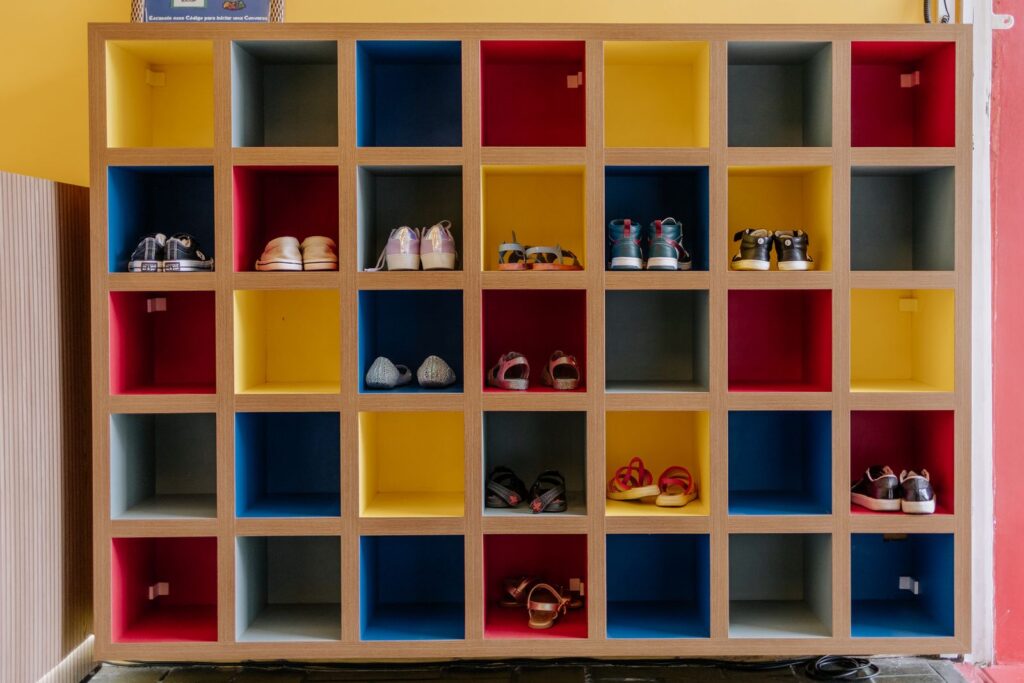
1. Open Cube Shelves
Cube shelving units with open squares, or fabric bins slotted into each cube, are one of the most versatile toy storage options there is. They suit ages 2 to 10 and work in bedrooms, playrooms and living rooms. Kids can see what's there, pull out a bin, play and (in theory) put it back. Low units keep everything within reach for small children. Look for a sturdy unit with a back panel, and mix open cubes for display with bins for smaller toys. The drawback: tall cube units can tip, so anchor them to the wall. IKEA sells the popular Kallax cube shelf in several sizes.
2. Rolling Bins and Drawer Units
Rolling bins and plastic drawer units on wheels move from room to room, which makes them great for toys that travel, like building bricks or train sets. They suit ages 2 to 8. Kids can drag the whole bin to where they want to play, then roll it back. Shallow drawers work better than deep bins, because toys at the bottom of a deep bin get forgotten. Look for smooth-rolling wheels that lock and drawers that don't pull all the way out. The drawback: wheels can scratch floors and roll away on slopes. IKEA sells the Trofast system, which combines frames with pull-out bins.
3. Under-Bed Storage
Under-bed storage boxes and drawers use space that's otherwise wasted, and they're perfect for toys that don't get played with every day, like dress-up clothes, puzzles or seasonal items. They suit ages 3 and up. Kids slide out a drawer, choose, and slide it back, which works well when drawers are on wheels. Look for low-profile containers with lids to keep out dust, and measure the clearance under the bed first. The drawback: under-bed storage is out of sight, so kids may forget it exists. Label the front of each drawer with a picture. The Container Store sells a wide range.
4. Toy Chests with Safe Lids
A toy chest holds a lot of bulky toys, like soft toys, balls and dress-up clothes, and can double as a bench. They suit ages 3 and up. Kids lift the lid and dig, which is great for big, soft items but not for small toys, which disappear to the bottom. Safety matters most here: choose a lidless chest, or one with a lid support that holds the lid open in any position and closes slowly, plus ventilation holes and a gap so fingers don't get pinched. The AAP explains toy box safety. The drawback: chests quickly become a jumbled heap.
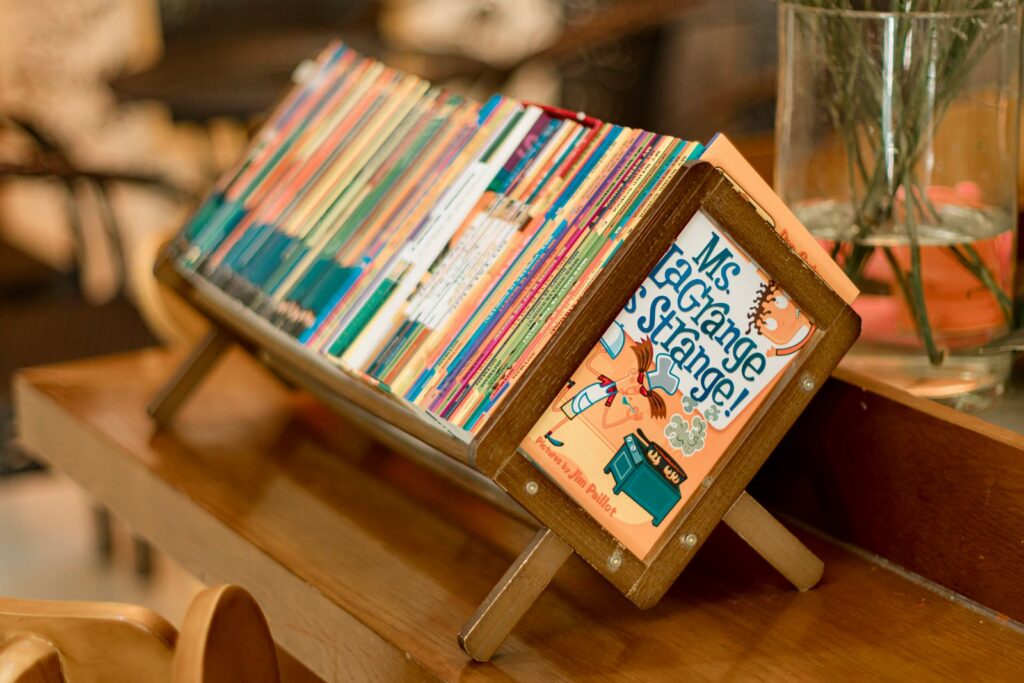
5. Wall-Mounted Book Ledges
Book ledges are narrow shelves mounted on the wall with a lip that holds books facing forward. Kids choose books by their covers, so front-facing books get read far more than books shelved spine-out. They suit ages 1 to 8. Kids can see every book, pick one, and put it back easily. Mount them low for younger children and stagger a few rows up a wall. Look for shelves with a raised front lip and fix them securely to the wall studs or with suitable anchors. The drawback: ledges hold fewer books than a bookcase, so rotate books often. IKEA sells simple picture ledges that work well for books.
6. Labeled Fabric Baskets
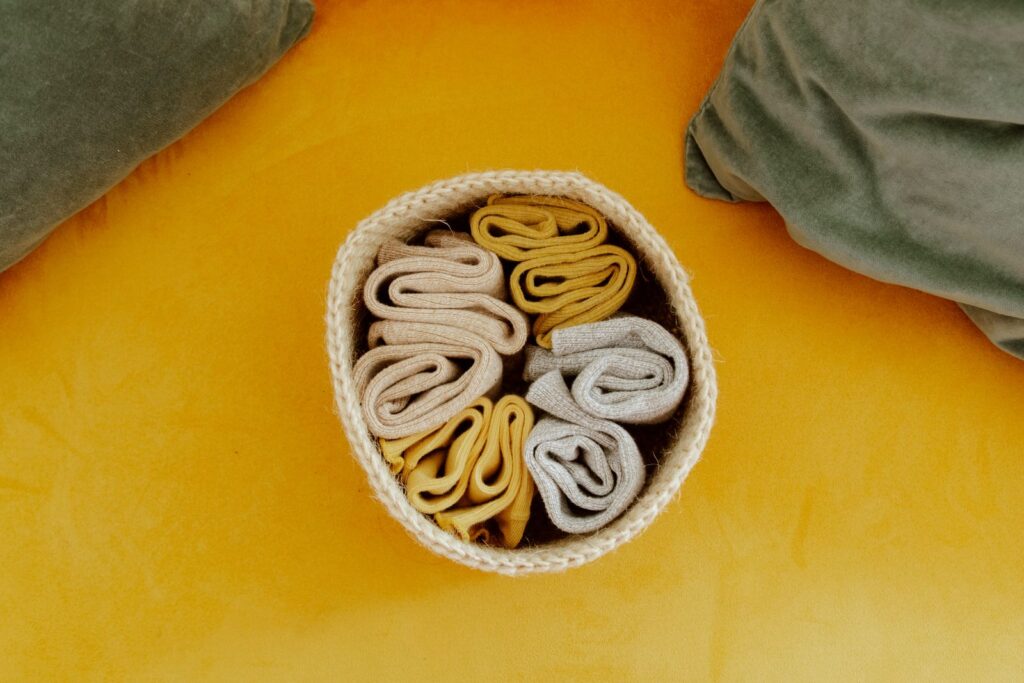
Fabric baskets are soft, light and easy for small children to carry, which makes them perfect for toy categories like cars, animals, blocks or dolls. They suit ages 2 to 10. Kids tip the basket out, play, and scoop everything back in. The key is labels: use a photo or a simple drawing of what goes inside, so even pre-readers know where things belong. Look for sturdy baskets with handles that fit your shelf. The drawback: soft baskets sag when overfilled and get grubby, so choose washable fabrics. Most home stores sell baskets sized for cube shelves.
7. Over-the-Door Organizers
Over-the-door organizers with clear pockets use the back of a bedroom or closet door to store small things, like figures, cars, hair accessories, art supplies or socks. They suit ages 4 and up, since pockets are high. Kids can see through clear pockets and grab what they want, especially lower pockets. Look for sturdy hooks that fit your door, and put lighter items in the top pockets. The drawback: they can stop doors from closing properly, and heavy loads may pull on the door. They're also not great for toddlers, who may use the pockets as a ladder.
8. Art and Craft Caddies
A handled caddy with compartments keeps crayons, markers, scissors and glue sticks together and portable. They suit ages 3 to 10. Kids carry the caddy to the table, draw, and carry it back, which makes art time quicker to start and easier to finish. Look for a caddy with deep compartments, a sturdy handle, and a wipeable surface. Keep paper in a separate flat tray or file. The drawback: caddies fill up with broken crayons and lidless markers, so do a quick clear-out once a month. Most craft and office stores sell compartment caddies.
9. Display Shelves for Special Items
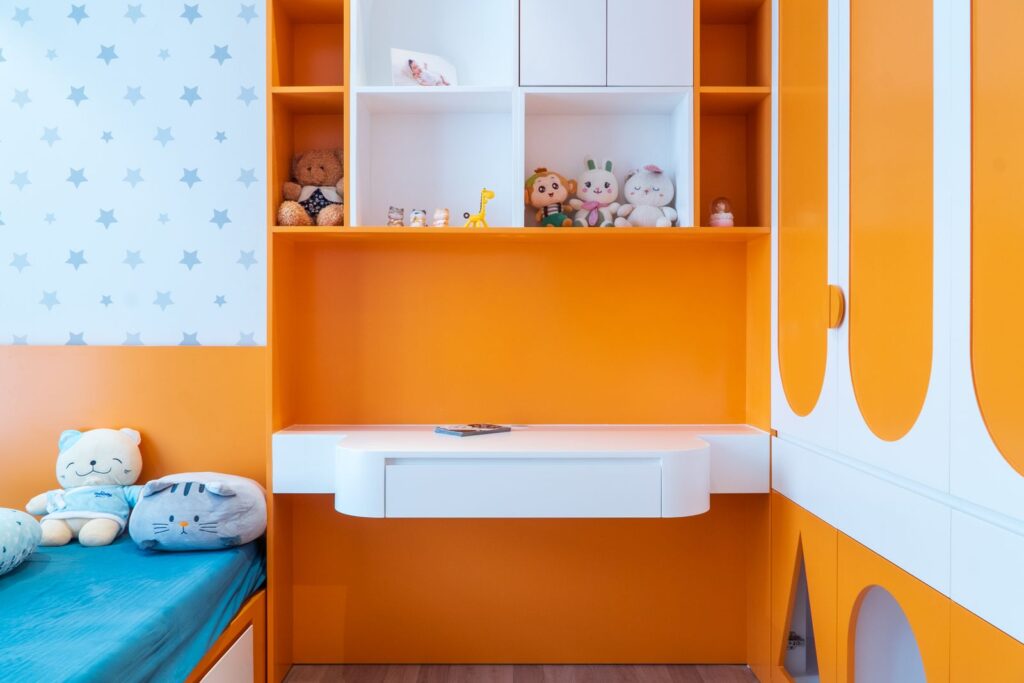
A small display shelf gives kids a place for their treasures, like a trophy, a Lego build they're proud of, a favourite rock collection or a special keepsake. It suits ages 4 and up. Kids decide what goes on it, which gives them a sense of ownership and makes the shelf feel special rather than cluttered. Look for a shallow shelf mounted at a height they can see. A shelf with a lip stops small items rolling off. The drawback: the display shelf can become a second junk shelf, so agree on a limit, such as five things at a time.
Making Tidy-Up Part of the Day
The best storage system still needs a habit behind it. Build a short tidy-up into the daily routine, such as before dinner or before bath, so it becomes as normal as brushing teeth. Keep it small: five minutes with a timer or one favourite song is plenty for younger kids. Give specific jobs rather than "tidy your room," like "put the cars in the blue basket." Tidy alongside them at first, then gradually step back. And praise the effort, not perfection. A room that's mostly tidy most days is a real win.
Safety: Anchor Tall Furniture
Furniture tip-overs are a serious risk for young children, who climb shelves and open drawers as steps. Anchor bookcases, cube units, dressers and TVs to the wall with anti-tip kits, even if they feel sturdy. Store heavier items on lower shelves. The AAP explains how to prevent furniture and TV tip-overs, and the U.S. Consumer Product Safety Commission's Anchor It campaign has more guidance. You can also check products for recalls at the CPSC or your local equivalent.
The Rotate, Donate, Keep System
Storage only works if there are fewer toys to store. Every few months, sort toys into three piles with your child. Rotate: toys they still like but aren't playing with now go into a box in a cupboard, to come back out in a few weeks, when they'll feel new again. Donate: toys they've outgrown or ignored for months go to friends, charities or a swap group. Keep: the current favourites stay out, in their labeled spots. Keeping fewer toys out at once usually means more focused play and a much faster tidy-up.
A 30-Minute Reset Plan
When the room has reached avalanche levels, set a timer and work through this together.
- Clear the floor (10 minutes). Put everything on the floor into one big basket.
- Sort by category (10 minutes). Tip out the basket and put toys back into their labeled bins.
- Pull out extras (5 minutes). Set aside toys for the rotate and donate piles.
- Reset the special spots (5 minutes). Straighten the book ledge and the display shelf.
Finish with a quick look around, and let your child choose one toy to play with in the tidy room.