

Some links in this article may be affiliate links, which means we may earn a commission at no extra cost to you.
After birth, your body has real healing to do, whether you had a vaginal birth, a C-section or something in between. The first weeks are about rest, recovery and getting through each day, not about how you look. Good postpartum recovery essentials won't make healing go faster, but they can make the sore, tired and leaky parts a lot more manageable. Here are ten products, organized loosely by when most people reach for them.
This is general information, not medical advice. Check with your doctor or midwife before using any product, especially after a C-section, stitches or a complicated birth. ACOG has a clear overview of postpartum pain management that's worth reading before you shop.
The First Two Weeks
These are the products most people use every day, often several times a day, in the early stretch after birth.
1. A Peri Bottle
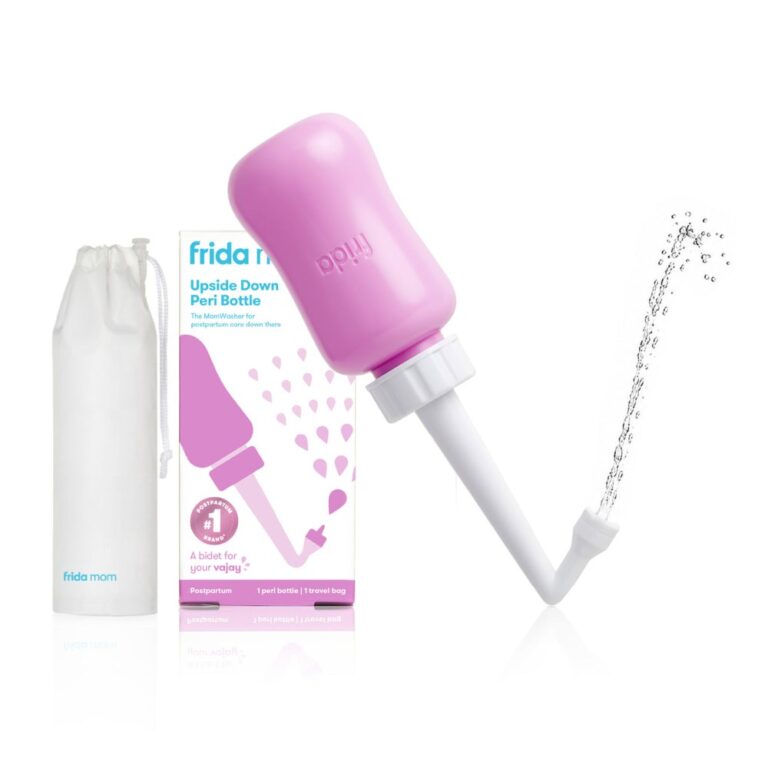
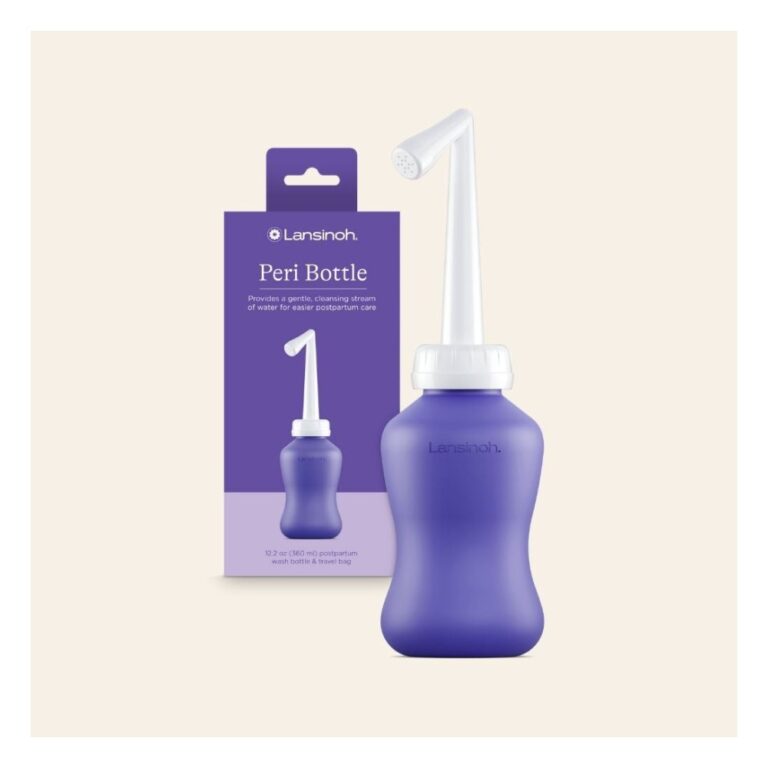
A peri bottle is a small squeeze bottle you fill with warm water and spray over the perineum while you pee and afterwards. It's standard after a vaginal birth, because wiping with toilet paper is uncomfortable on stitches or tender, swollen skin, and a stream of warm water can make peeing sting less. Many hospitals send you home with a basic version. Look for an angled or upside-down nozzle, which reaches the right spot while you're sitting on the toilet, and a soft bottle you can squeeze with one hand. Basic hospital bottles work, but they can be awkward to aim. Frida Mom and Lansinoh both make angled bottles.
2. Heavy-Flow Postpartum Pads
After any birth, including a C-section, you'll have bleeding called lochia. It's usually heaviest in the first days and tapers off over several weeks, and the NHS explains what's typical in its guide to your post-pregnancy body. Postpartum pads are longer, thicker and more absorbent than regular period pads. Many providers suggest pads rather than tampons or cups for now, so ask yours what they recommend. Look for soft, breathable pads without fragrance, and buy more than you think you'll need. They're bulky, which is one reason stretchy postpartum underwear is so popular. Frida Mom makes extra-long postpartum pads.
3. Disposable Postpartum Underwear
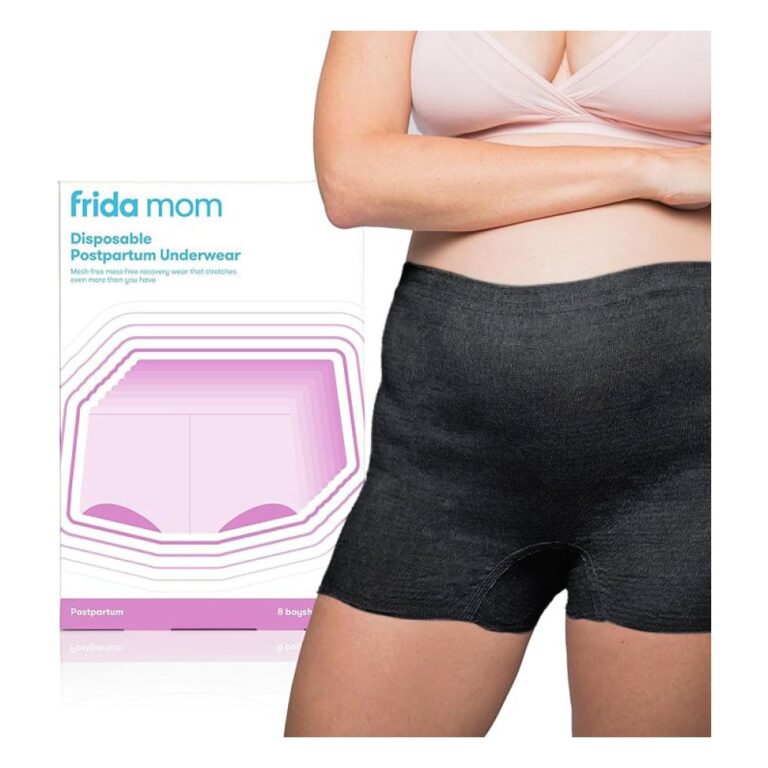
Stretchy disposable underwear holds a big pad in place without pressing on sore areas or a C-section incision. Many hospitals provide mesh versions, and plenty of people stock up for home. Look for a high waist that sits above an incision, soft stretch that doesn't dig in, and a boyshort or full-brief cut that covers everything. Some are made to hold a pad, while others have absorbency built in. The downside is that they're single-use, which adds cost and waste, so most people switch to washable underwear once bleeding lightens. Frida Mom sells disposable boyshorts, and Lansinoh has a leak protection kit.
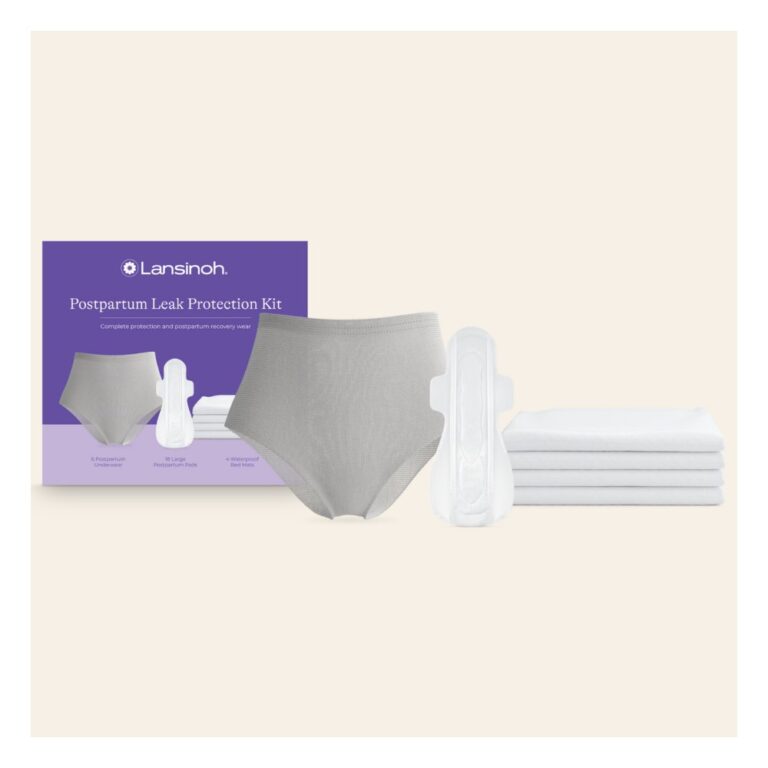
4. Cooling Pads and Perineal Sprays
Cold can soothe swelling and soreness in the perineum in the first days after a vaginal birth. Options include instant cold packs shaped like a pad, witch hazel pad liners, and "padsicles," which are pads designed to be used chilled. Some people also use a perineal spray between changes. Look for products made for postpartum use, fragrance-free where possible, and read the ingredient list, since some sprays contain numbing medication or herbal extracts. Ask your doctor or midwife before using anything medicated, and never put ice directly on skin. Lansinoh and Earth Mama both make perineal cooling products.
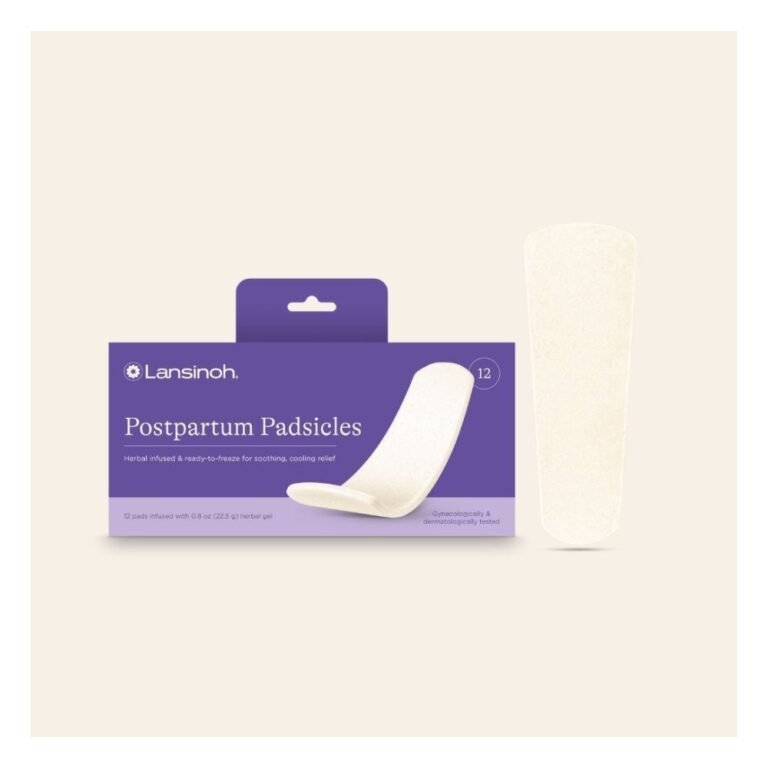
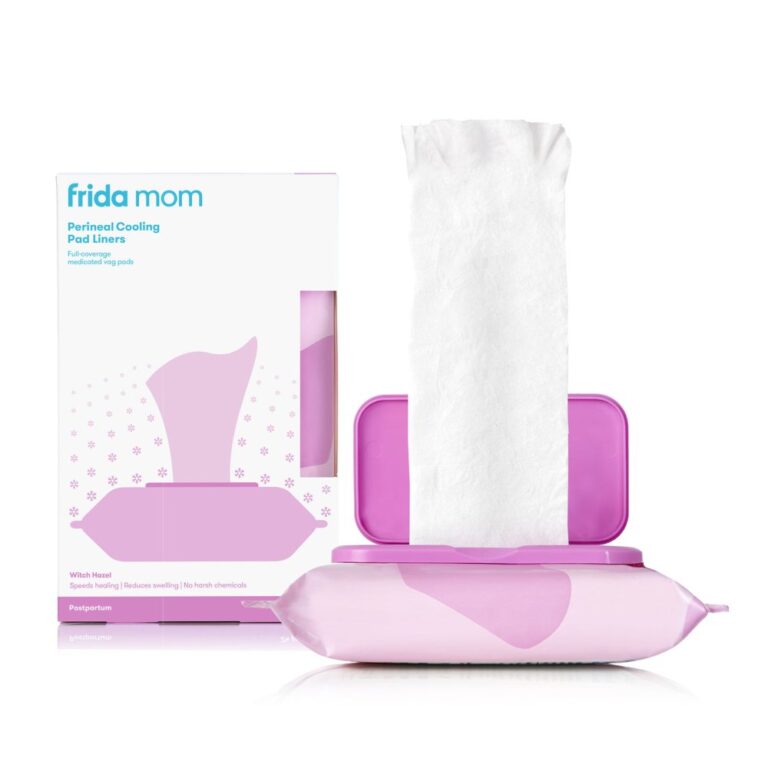
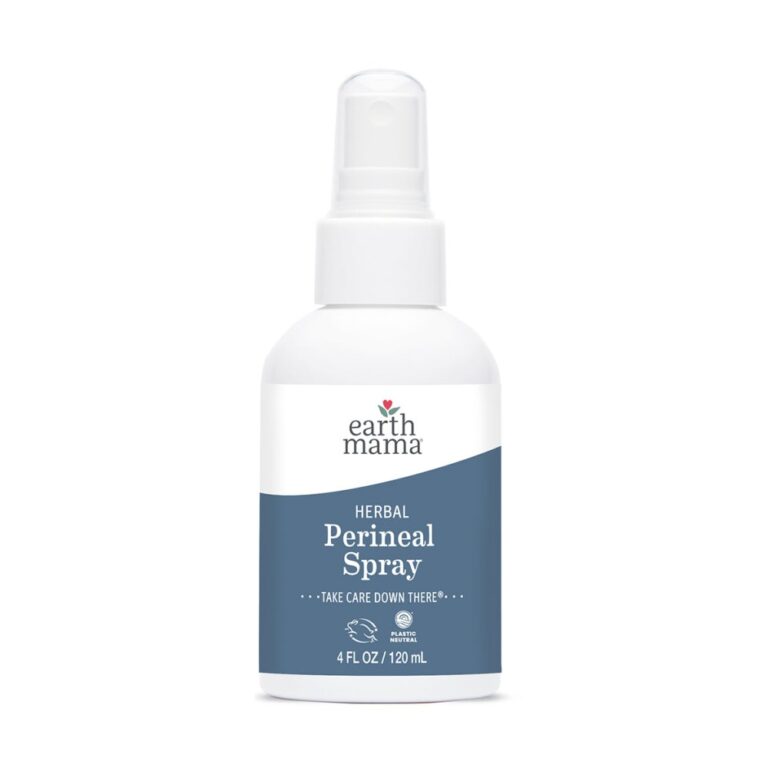
5. A Sitz Bath
A sitz bath is a shallow basin that fits over the toilet seat, so you can sit in a few inches of warm water without running a full bath. Many people find warm water soothing for a sore perineum or for hemorrhoids, which are common after birth. Look for a basin with a wide rim that fits your toilet securely, a flow bag or drain, and a shape that's easy to rinse and store. Some people add an herbal soak to the water. If you'd like to use one, check with your provider first, especially if you have stitches. It is one more thing to clean. Earth Mama makes an herbal sitz bath soak.
6. A Seat Cushion
Sitting down can be uncomfortable for a while after birth, particularly with stitches, bruising or hemorrhoids. A cushion that takes pressure off the perineum makes feeding, eating and car rides easier to manage. Donut-shaped cushions are common, but opinions differ on the best shape, and some providers prefer a flatter or U-shaped design, so ask your midwife what suits your recovery. Look for a washable cover, foam that's firm without being hard, and a size that works on dining chairs and the sofa. The drawback is bulk: it's awkward to carry around. Frida Mom makes a perineal cushion with a cooling insert.

The First Six Weeks
As the first days pass, many people start moving around more, feeding patterns settle a little, and the focus shifts to support and comfort. Rest still matters just as much, and the NHS guide to sleep and tiredness after having a baby has realistic suggestions for getting more of it.

7. An Abdominal Support Band
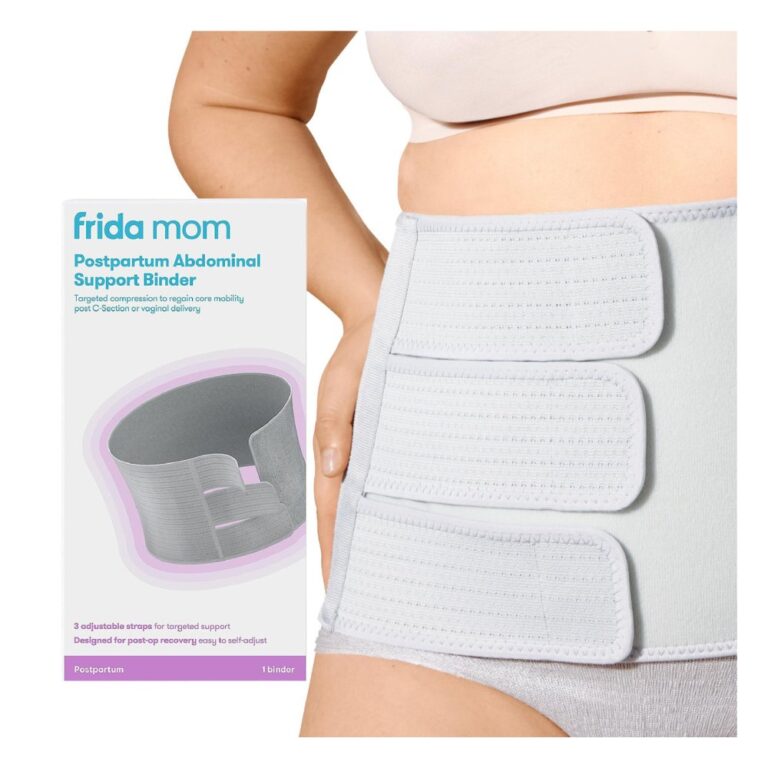
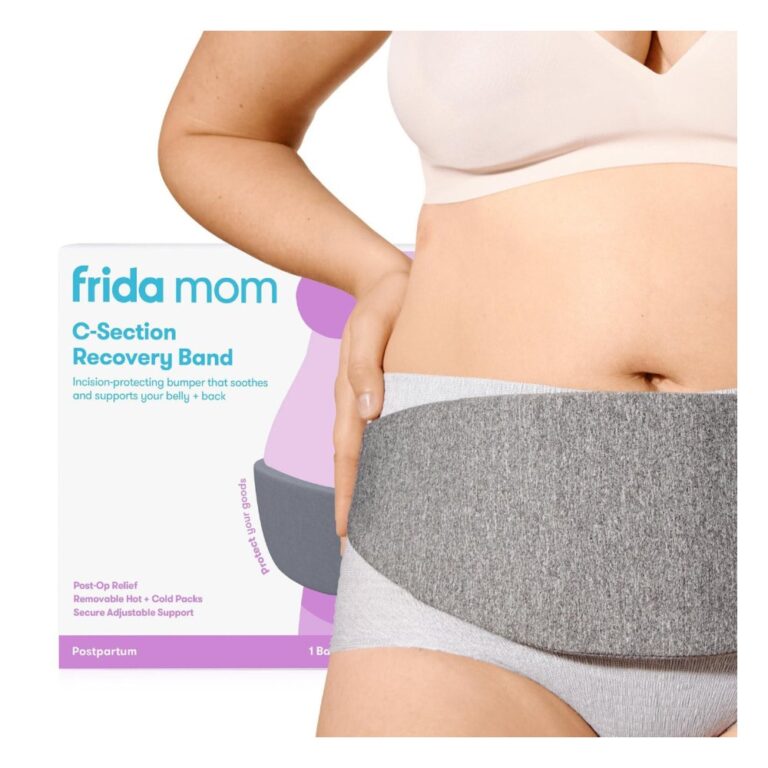
After a C-section especially, some people find that a soft abdominal binder or support band makes standing, walking and coughing feel more comfortable, because it gives gentle support around the belly. Others don't like the pressure at all. Look for an adjustable closure, breathable fabric, and a design that doesn't press directly on an incision. Treat any claims about shrinking or reshaping your waist with skepticism: this is about comfort and support, nothing more. Ask your doctor or midwife whether a binder is right for you and how long to wear it, particularly after surgery. Frida Mom makes a postpartum support binder and a C-section recovery band.
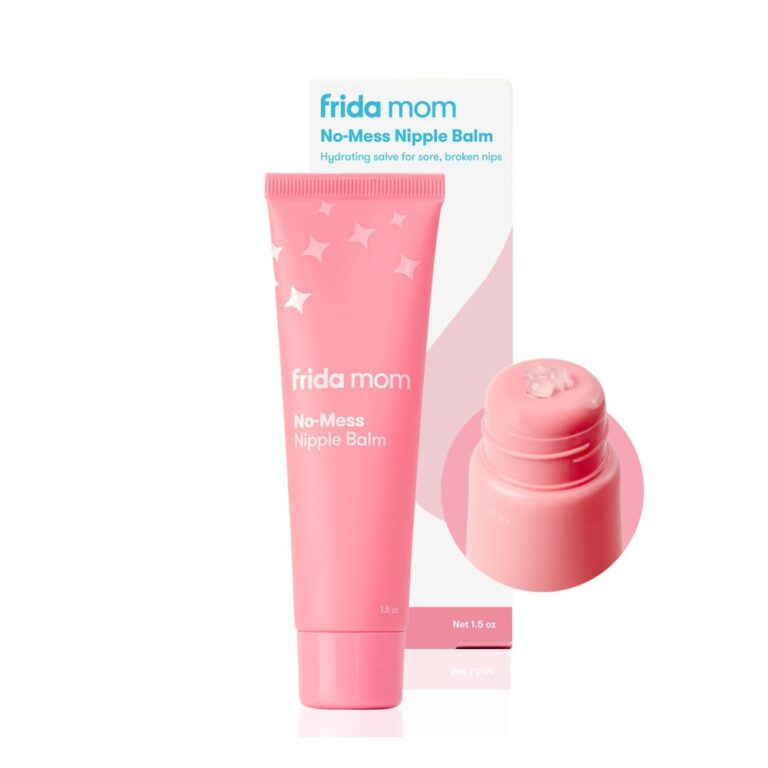
8. Nipple Balm
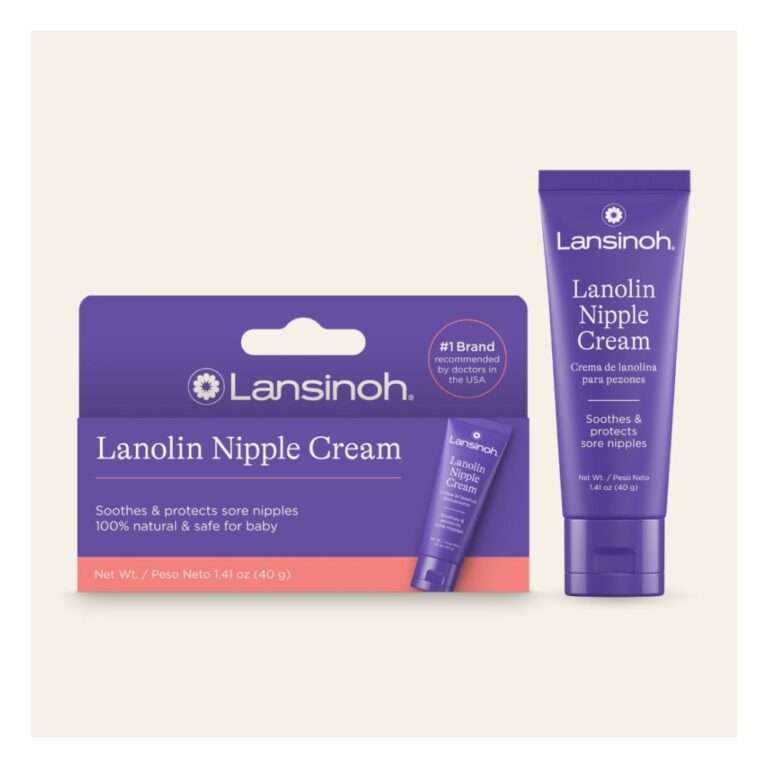
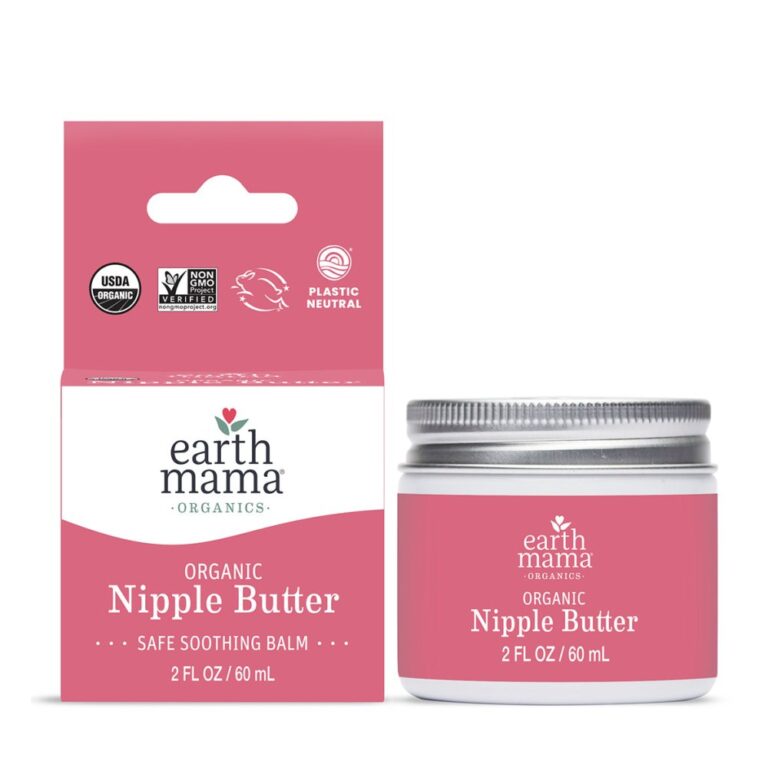
If you're breastfeeding, sore nipples are common in the early weeks, and a balm or cream can protect and soothe the skin between feeds. Look for one the label says doesn't need to be wiped off before feeding, and check the ingredients if you have allergies, since some contain lanolin, which comes from sheep's wool. Cooling gel pads are another option for extra comfort. Pain that doesn't ease, cracked or bleeding skin, or a latch that hurts every time can mean something needs adjusting, so talk to a lactation consultant, your midwife or a La Leche League leader. Lansinoh and Earth Mama both make nipple balms.
Ongoing Comfort
Some needs last well beyond the first six weeks. These two are worth buying in a version you actually like wearing.
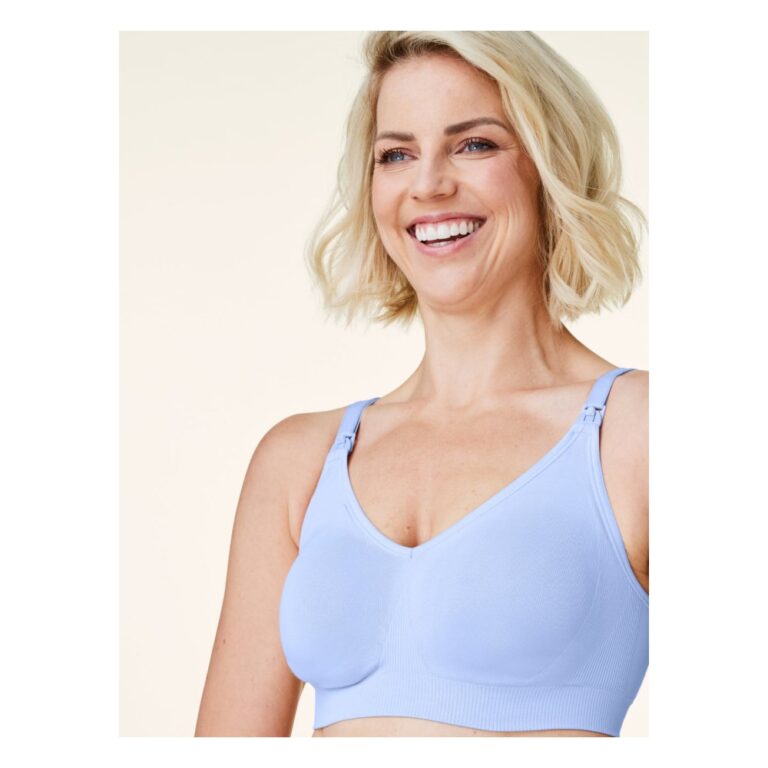
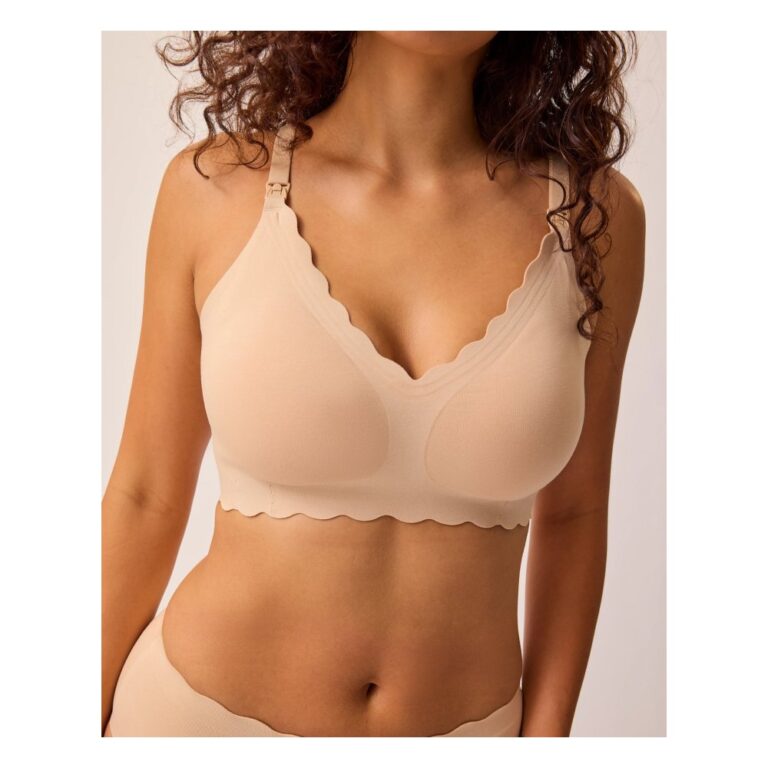
9. Nursing Bras and Nursing Pads
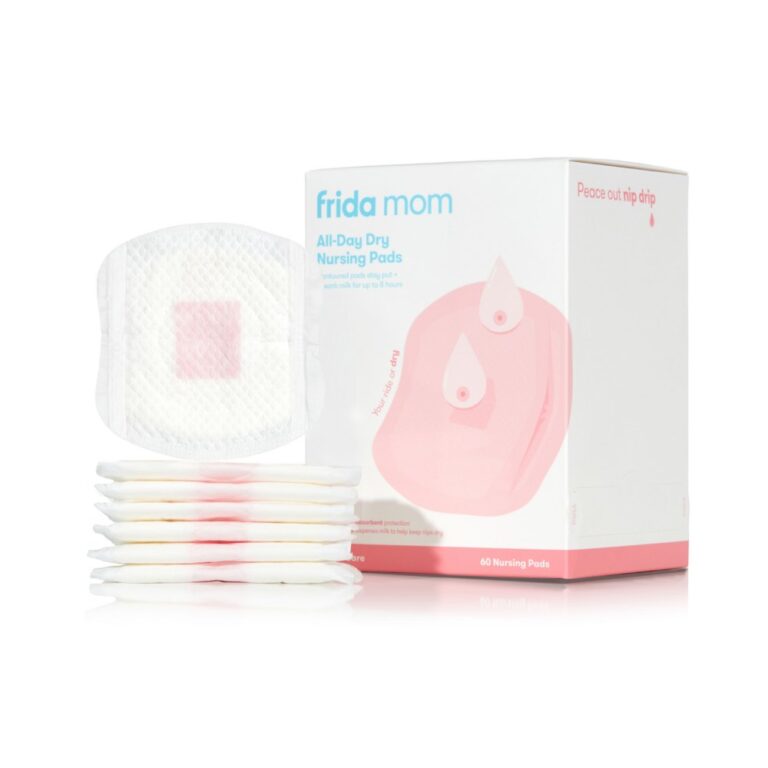
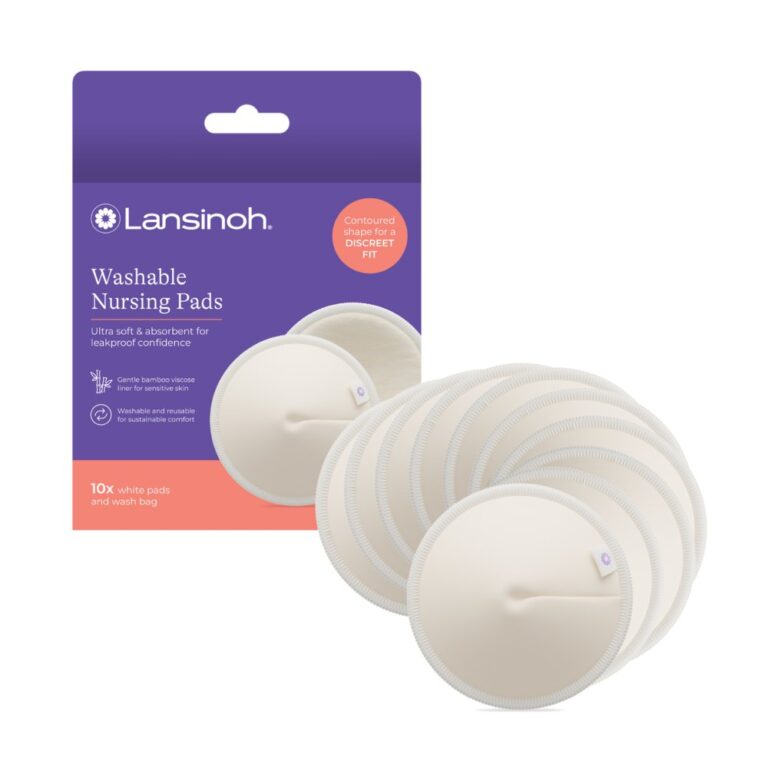
Whether or not you breastfeed, your breasts change in the days after birth, and many people find them heavy, tender and leaky, especially when milk comes in. A soft, supportive bra without underwire is often the most comfortable choice, even for sleeping. Look for stretchy cups that allow for size changes through the day, easy one-handed clips if you're nursing, and wide straps that don't dig in. Nursing pads, disposable or washable, sit inside the bra and catch leaks. Sizes change a lot in the early weeks, so don't buy too many bras at once. Bravado Designs and Kindred Bravely make nursing bras.
10. Soft, High-Waisted Underwear
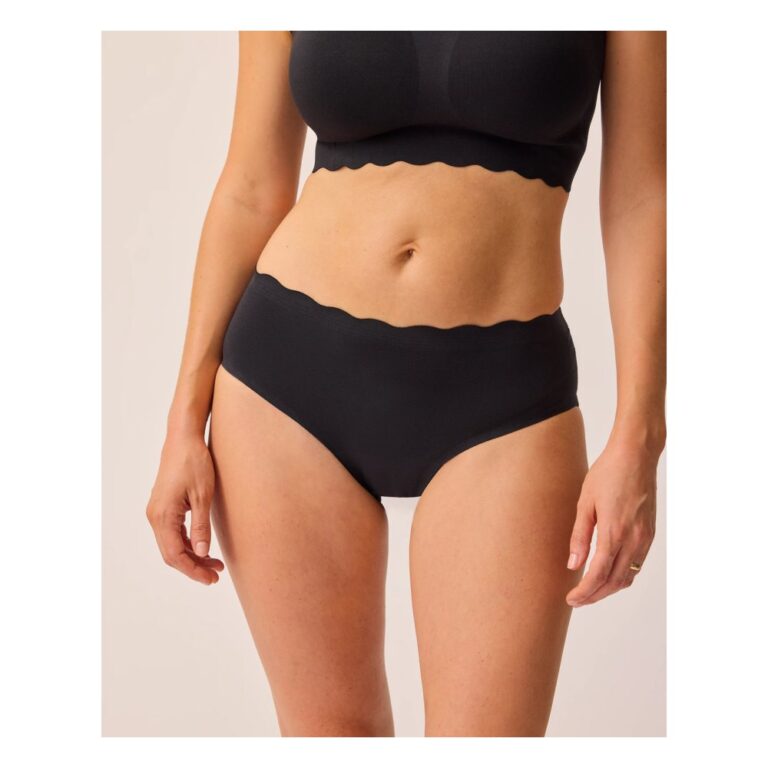
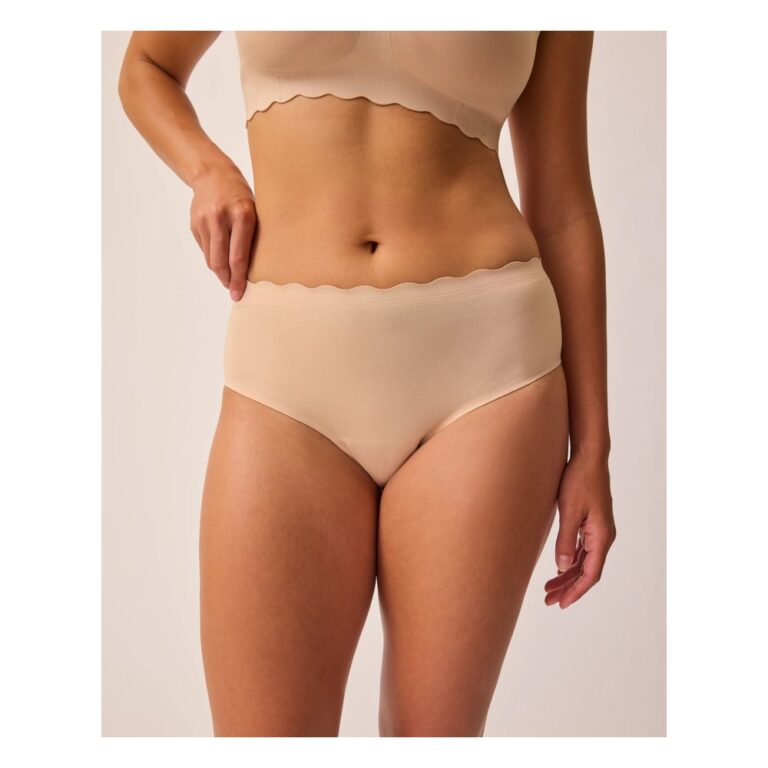
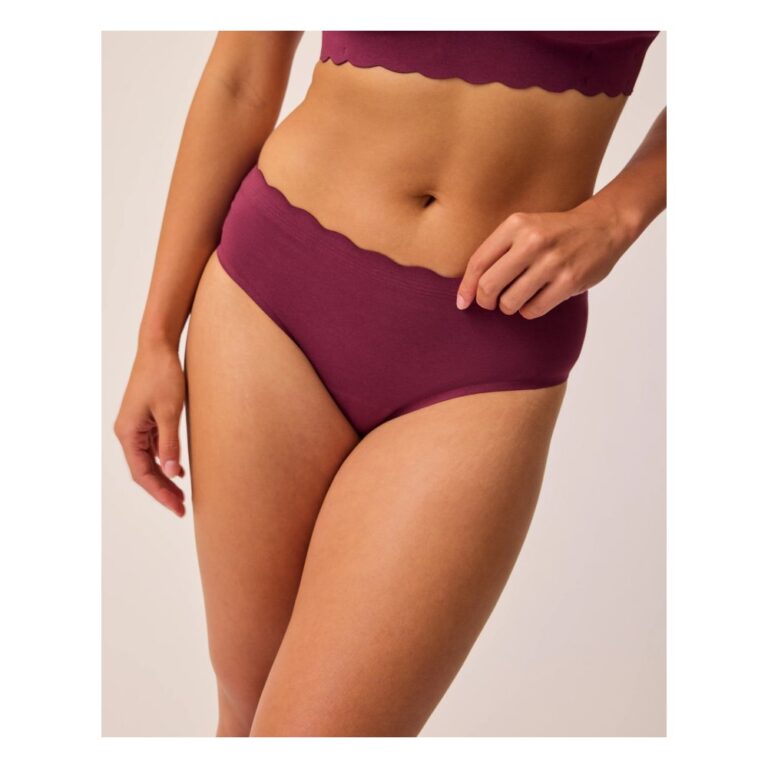
Once bleeding lightens, most people move from disposables to washable underwear, and this is where a few good pairs make a difference. High-waisted styles sit well above a C-section incision and feel secure over a soft belly. Look for breathable cotton or modal, a wide waistband that doesn't roll or dig in, and a size that fits your body now rather than before pregnancy. Some brands sell postpartum underwear with light compression; skip anything that feels tight or restrictive. Your size may shift again over the coming months, so buy a few pairs at a time. Kindred Bravely makes cotton postpartum briefs and hipsters.
Every Recovery Looks Different
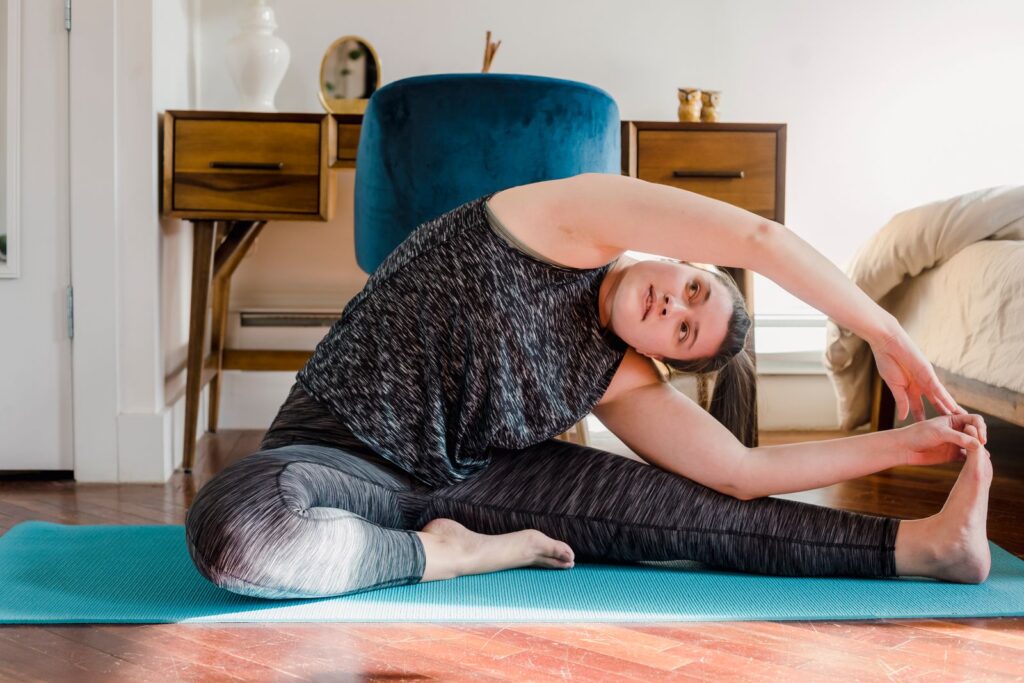
Recovery after a vaginal birth, a C-section, an assisted birth or a birth with complications can look very different, and so can recovery after a first baby compared with a third. Some people feel fairly steady within a few weeks, while others need months, and both are normal. This list won't fit everyone. You might need only a handful of these things, or different ones entirely, and after a C-section the NHS guide to recovering from a caesarean covers what to expect. Your provider may also suggest pelvic floor exercises or a referral to a pelvic floor physical therapist, and ACOG has guidance on exercise after pregnancy for when you're both ready.
Recovery includes your emotional health too. Mood changes after birth are common, and if you feel persistently low, anxious or not like yourself, you deserve support. Postpartum Support International lists helplines and support options.
When to Call a Doctor or Midwife
Postpartum checkups, like the 6-week postnatal check, are a good time to raise questions, but some things shouldn't wait for an appointment. Contact your doctor or midwife promptly if you notice any of these:
- Heavy bleeding that soaks a pad in an hour or less, large clots, or discharge that smells bad
- A fever, chills, or feeling suddenly very unwell
- Redness, swelling, warmth, oozing or increasing pain around stitches or a C-section incision
- Pain, redness or swelling in one leg
- A severe headache that won't go away, changes in your vision, or swelling in your face or hands
- Chest pain, a racing heartbeat or trouble breathing
- A hard, red, painful area on a breast along with a fever
- Thoughts of harming yourself or your baby, or feeling unable to cope
For chest pain, trouble breathing or thoughts of harming yourself, call your local emergency number straight away. In the US, you can also call or text 988 to reach the 988 Suicide & Crisis Lifeline. The CDC's list of urgent maternal warning signs is worth keeping on your phone for the first year. Calling about something that turns out to be normal is never a waste of anyone's time.