
Some links in this article may be affiliate links, which means we may earn a commission at no extra cost to you.
- The Winter Gear for Kids That Makes the Biggest Difference
- 1. One-Piece Snowsuits
- 2. Winter Parkas and Puffer Jackets
- 3. Waterproof Snow Pants
- 4. Insulated Winter Boots
- 5. Waterproof Mittens
- 6. Warm Hats and Neck Warmers
- 7. Base Layers and Fleece Mid-Layers
- 8. Wool Boot Socks
- 9. Insulated Food Jars and Bottles
- Getting Out the Door Faster
- How to Layer a Child for the Cold
- Puffy Coats and Car Seats
- A Winter Starter Kit by Budget
Getting a small child dressed for snow takes twenty minutes, and they will need the toilet the moment the last mitten goes on. Then they last eleven minutes outside before someone gets a boot full of snow and the whole expedition heads home in tears. The right winter gear for kids won't make the dressing faster, but it can make the outside part last a lot longer. Here are nine kinds worth getting right, from the base layer out.
Price ranges below are rough US estimates and change often, so check current prices before you buy.
The Winter Gear for Kids That Makes the Biggest Difference
1. One-Piece Snowsuits
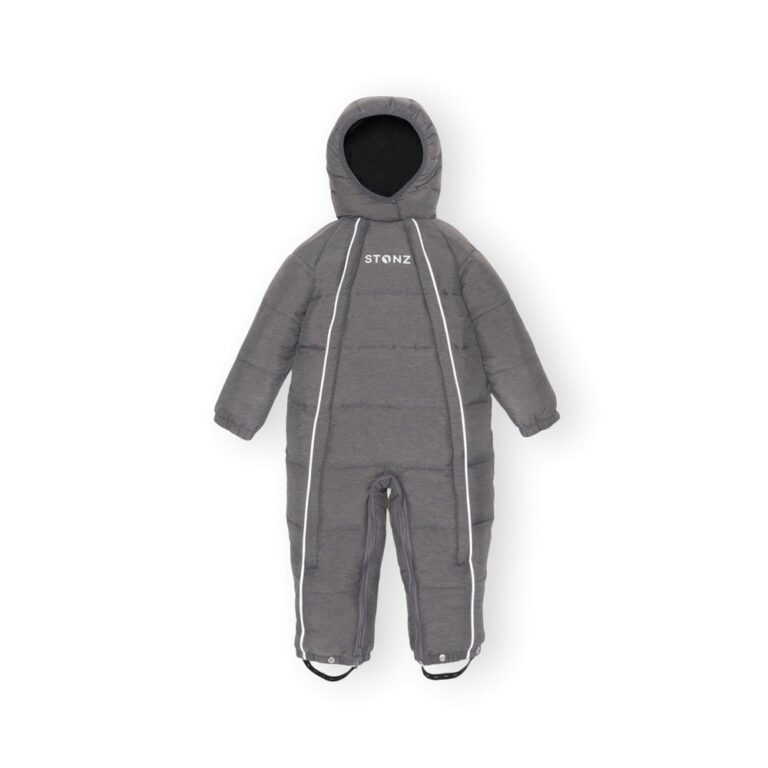
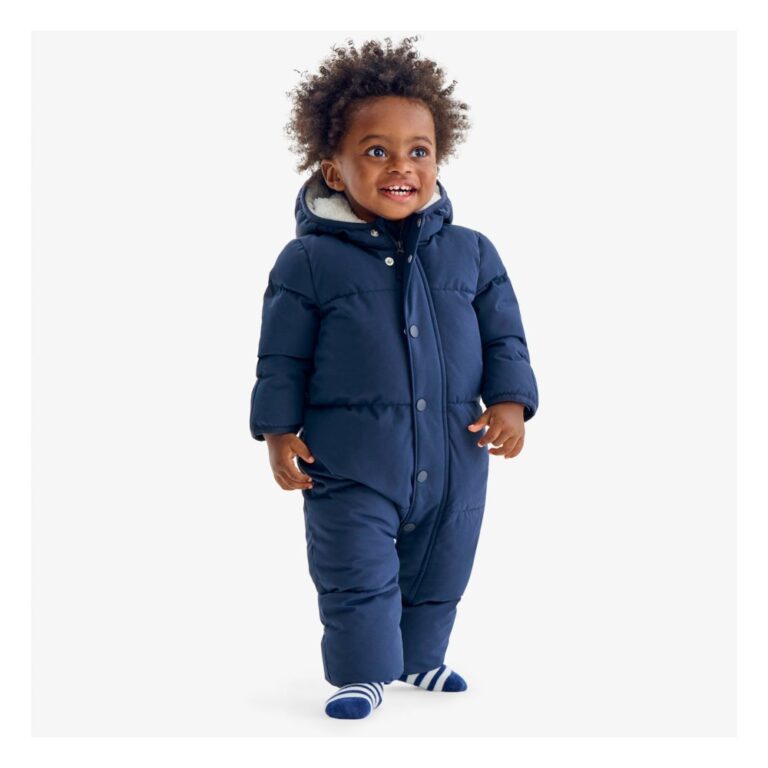
A one-piece snowsuit is the warmest, simplest option for babies, toddlers and preschoolers, because there's no gap at the waist for snow to sneak into. Kids who spend a lot of time sitting, crawling or rolling in snow stay dry far longer in one. Look for waterproof outer fabric, a zip that runs down one leg (it makes dressing a wriggly toddler much easier), elastic cuffs that fit over boots, and room to grow. Some two-in-one designs split into a jacket and bib pants as kids get older. The drawback: toilet trips mean undressing almost completely, so plan ahead. Stonz makes a two-in-one snowsuit, and Primary sells a weatherproof puffer suit for babies. Roughly $60 to $150.
2. Winter Parkas and Puffer Jackets
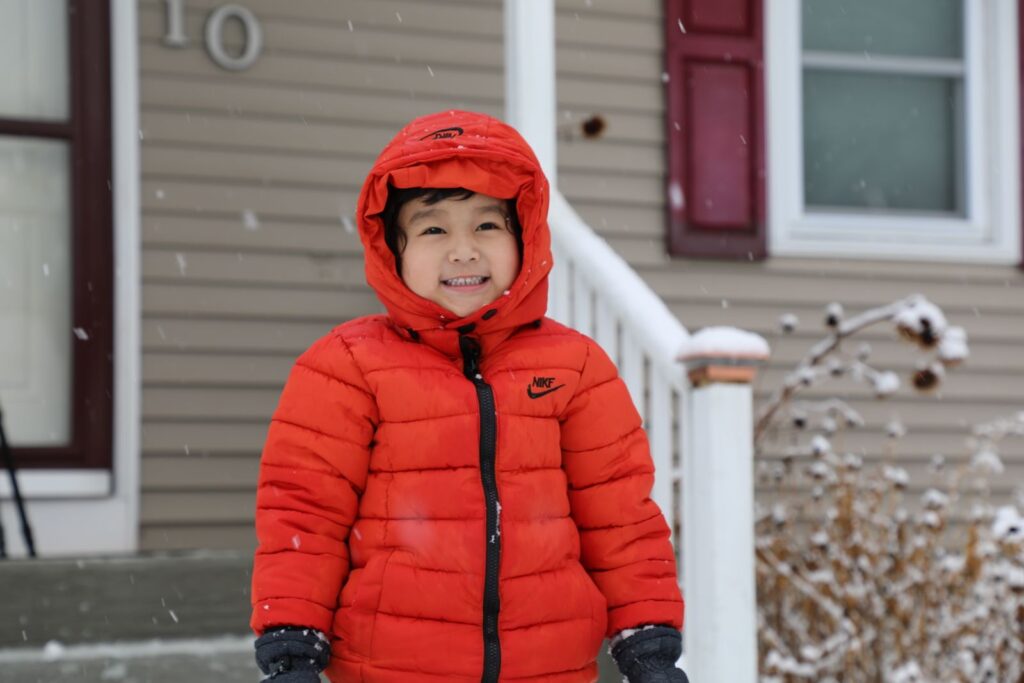
Older kids usually prefer a separate jacket, since it's easier for school drop-offs, playground time and getting in and out of the car. A good winter parka is warm without being so bulky that kids can't move their arms. Look for a waterproof or water-resistant shell, a hood that fits over a hat, cuffs that close around mittens, and a length that covers the lower back when they bend over. Reflective details help on dark afternoons. The drawback: thick puffers shouldn't be worn under car seat harnesses, which we cover below. Primary makes a weatherproof parka for kids. Roughly $50 to $150.
3. Waterproof Snow Pants
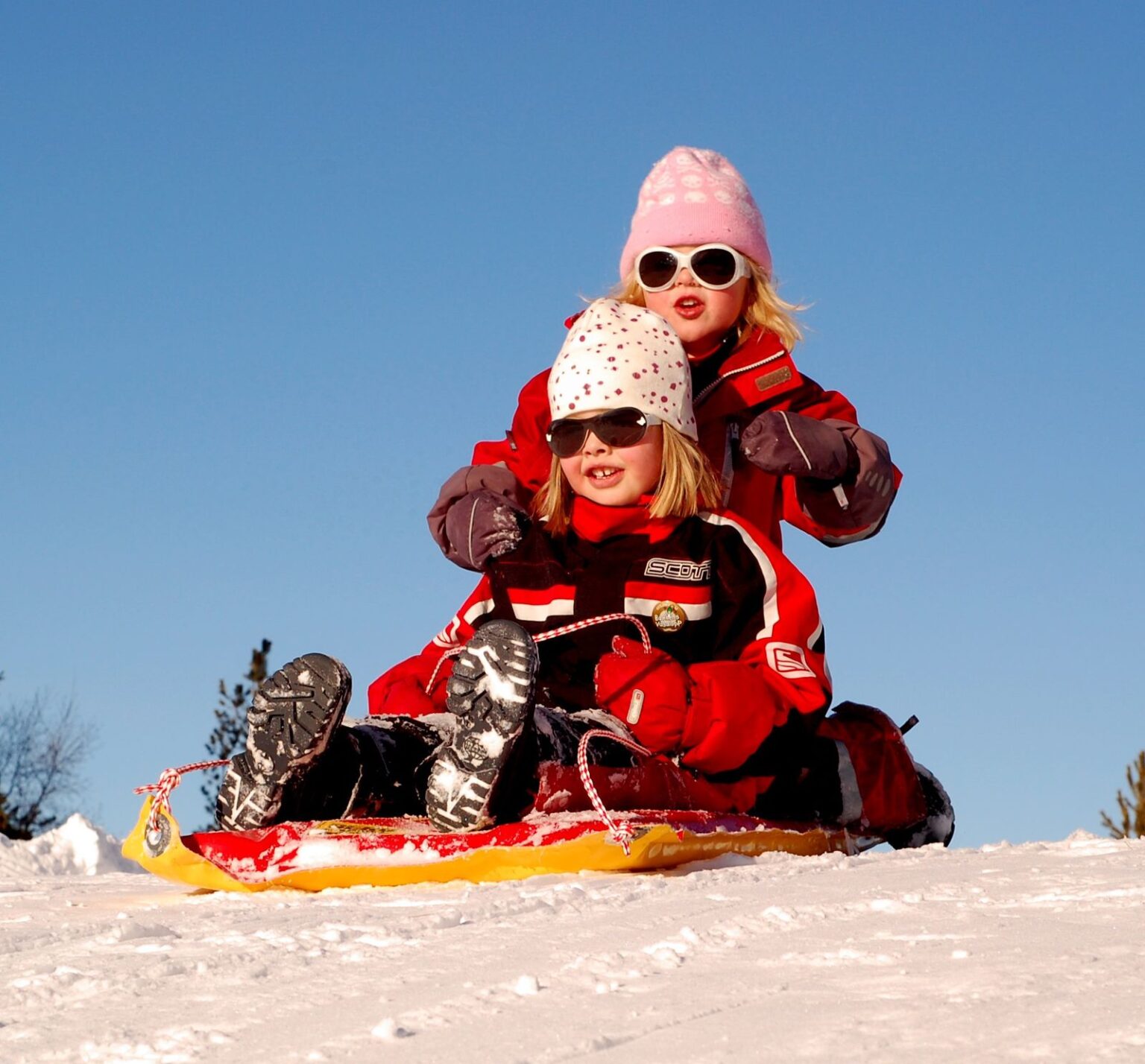
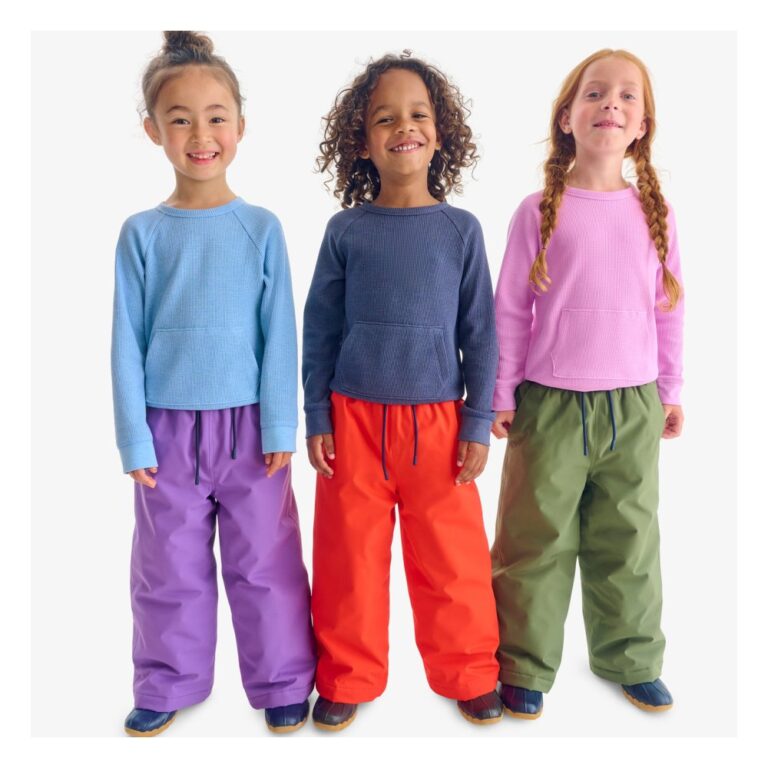
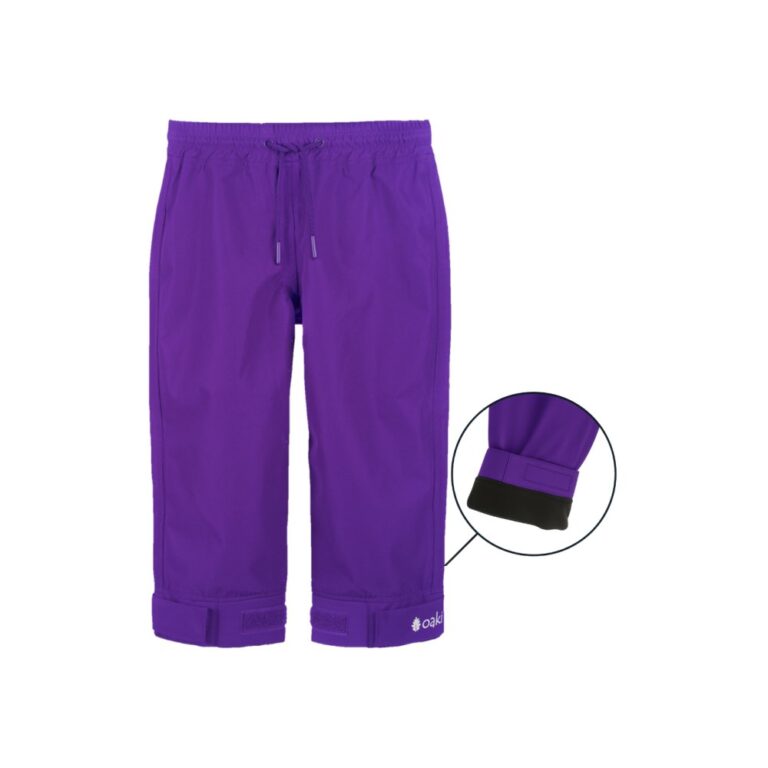
Snow pants turn a quick sledge run into an afternoon outside, because wet jeans end the fun fast. Bib-style snow pants stay up better on active kids and keep snow out at the back, while regular waist styles are quicker to pull on over leggings. Look for reinforced knees and seat, boot gaiters that seal over the top of boots, adjustable straps for a growing child, and a fleece lining for colder climates. The drawback: kids outgrow them in a season or two, which makes them a great secondhand buy. Primary and Oaki both make waterproof snow pants for kids. Roughly $40 to $100.
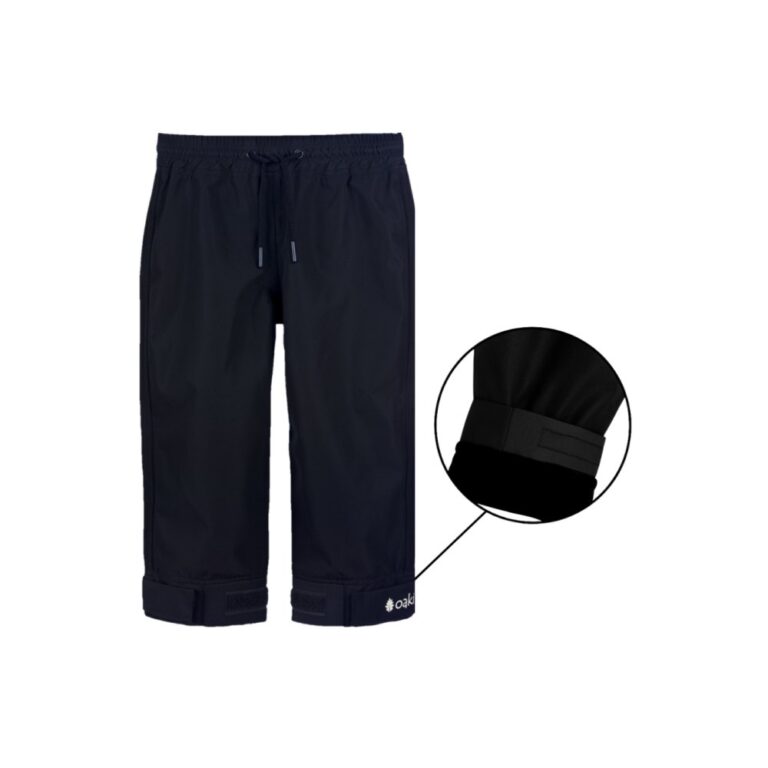
4. Insulated Winter Boots
Cold, wet feet end snow days faster than anything else. Insulated winter boots keep feet warm and dry, and a pull-on style or wide opening lets kids put them on alone. Look for a waterproof lower section, insulation rated for your climate, a grippy sole for icy pavements, and room for one thick sock with a little wiggle space, since tight boots make feet colder. The drawback: warm boots can be sweaty indoors, so pack school shoes for the classroom. Stonz makes lightweight insulated boots, and KEEN makes waterproof winter boots for kids. Roughly $40 to $100.
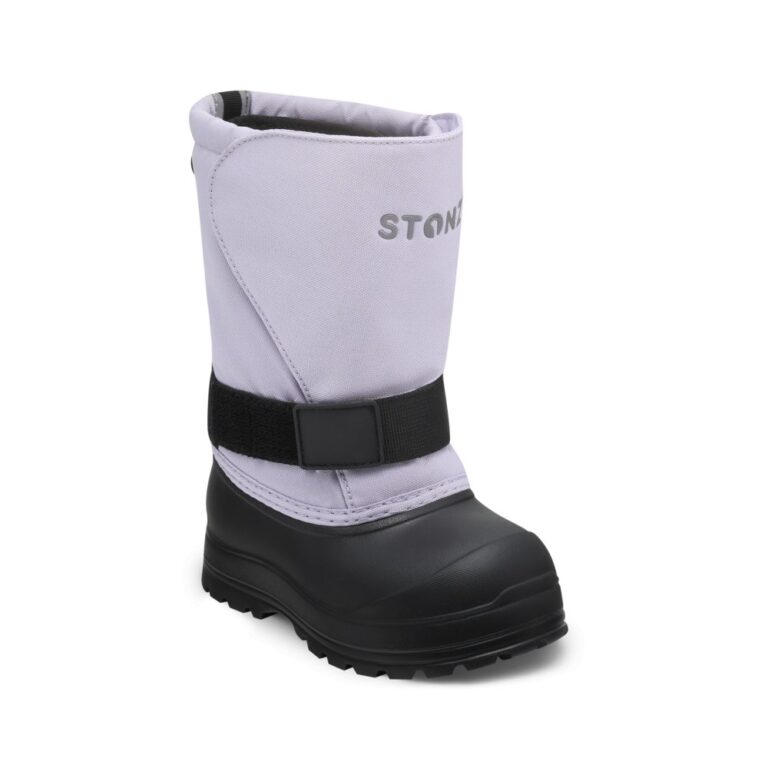
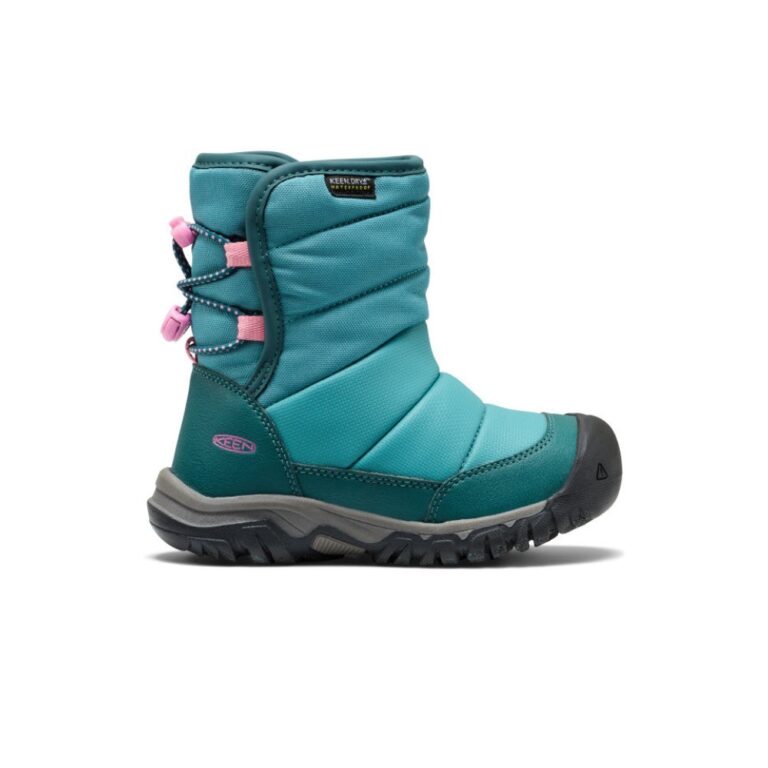
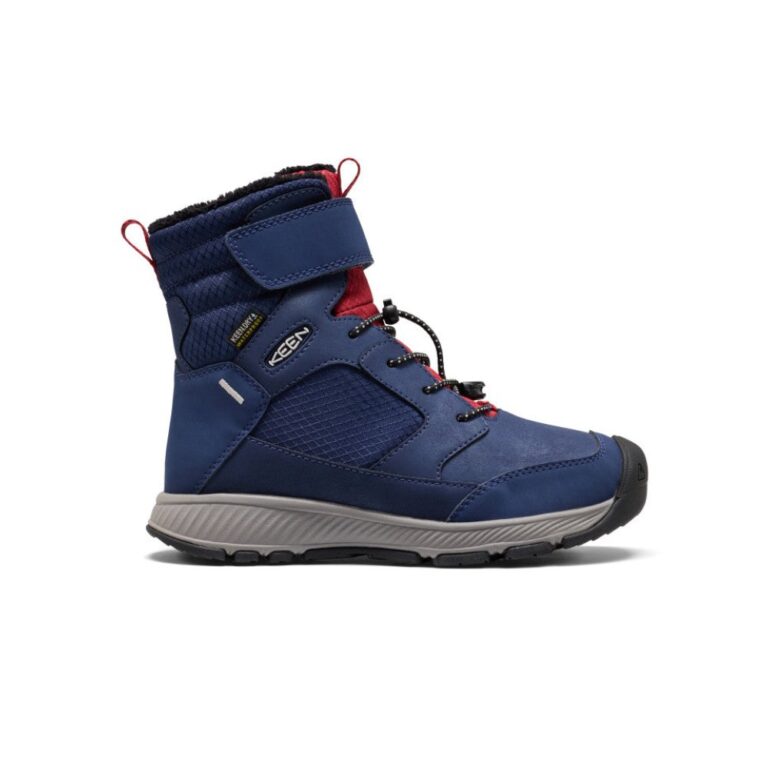
5. Waterproof Mittens
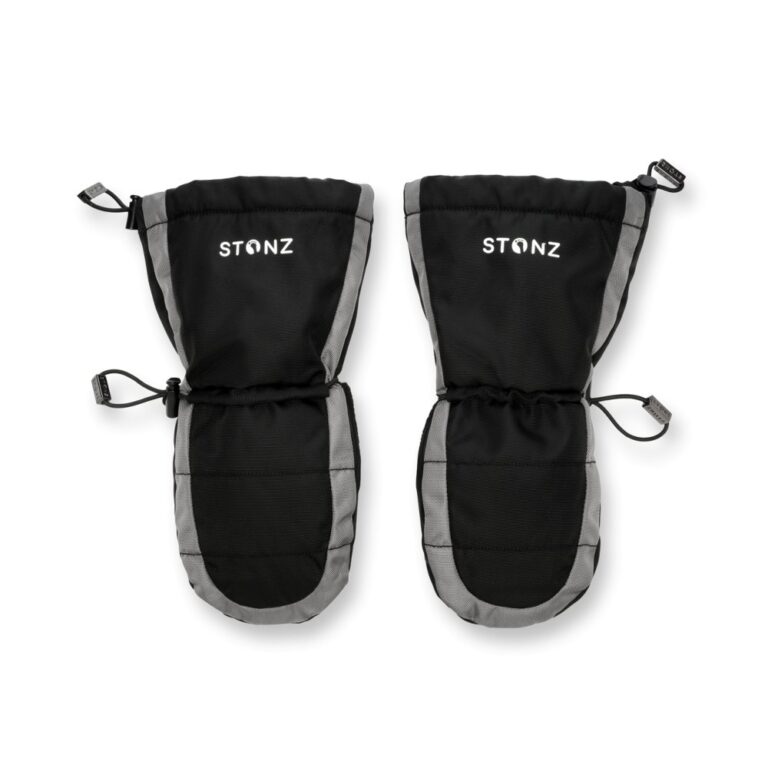
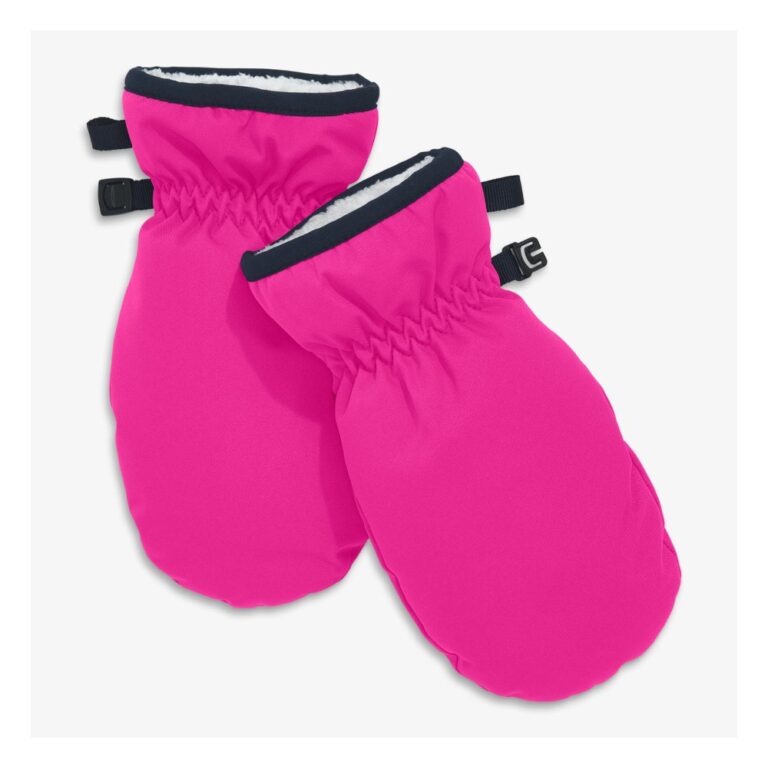
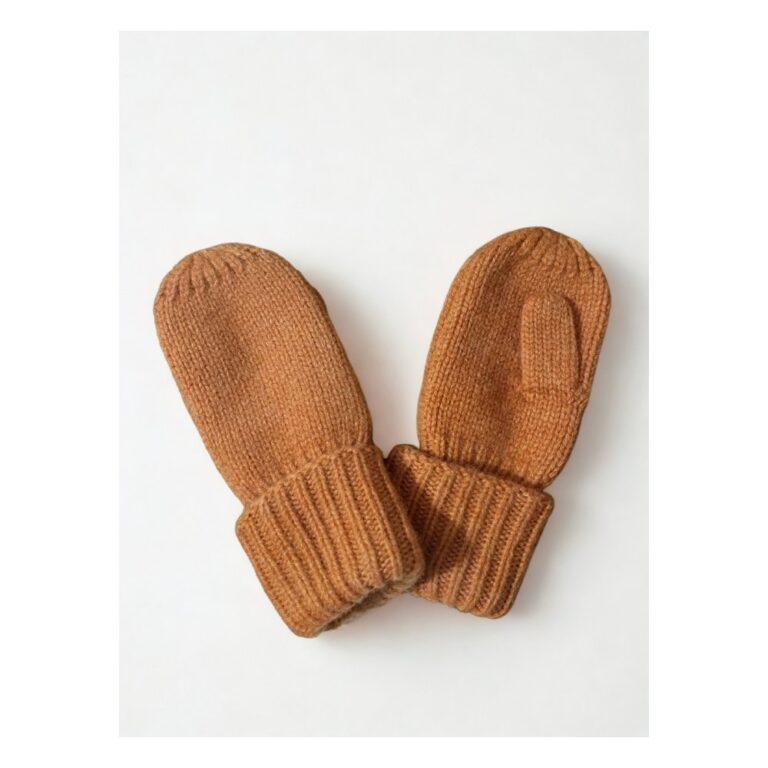
Mittens are warmer than gloves because fingers share heat, and for toddlers they're far easier to put on. Long-cuff mittens that zip or cinch over the jacket sleeve stay on much better than short ones, which kids pull off within minutes. Look for a waterproof shell, a warm lining, a thumb that's easy to find, and a clip or string to keep them attached to the coat. Older kids who want to build snowmen may prefer waterproof gloves for grip. The drawback: they get soaked and take ages to dry, so owning two pairs is worth it. Stonz is known for easy-on long-cuff mitts, and Primary sells weatherproof puffer mittens. Roughly $15 to $45.
6. Warm Hats and Neck Warmers
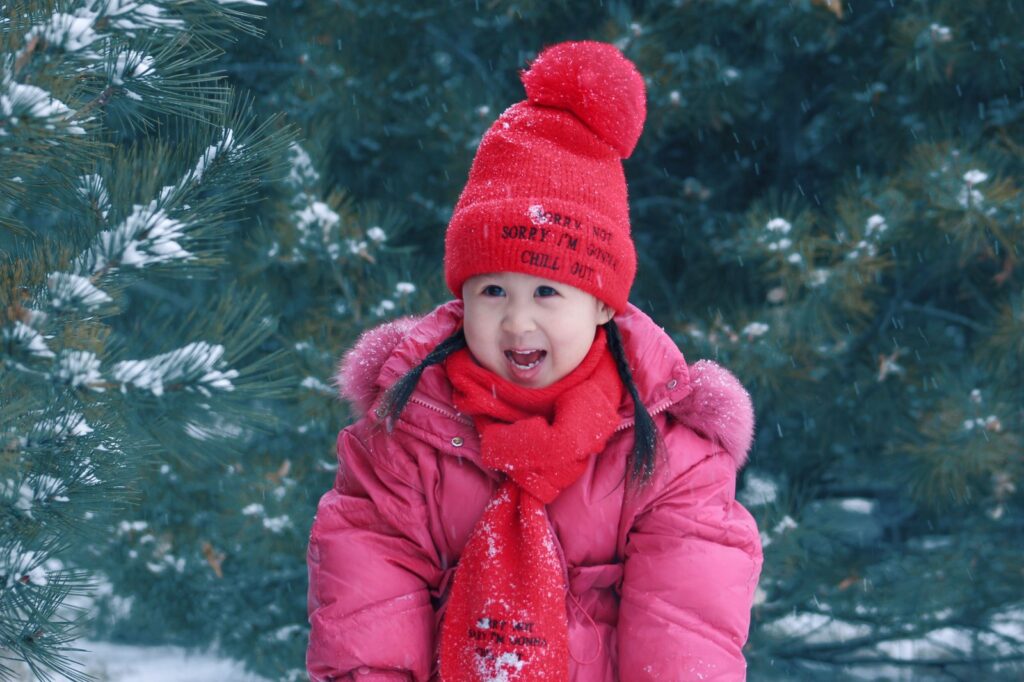
A warm hat that covers the ears, plus a neck warmer or snood, protects the parts of a child that get cold fastest. Look for hats with a chin strap for toddlers, fleece or wool linings, and ear flaps for very cold days. Neck warmers are safer than long scarves for young children, since there are no loose ends to catch on playground equipment. The drawback: kids pull hats off constantly, so pick one they actually like. Stonz makes warm hats in baby and kid sizes. Roughly $15 to $35.
7. Base Layers and Fleece Mid-Layers
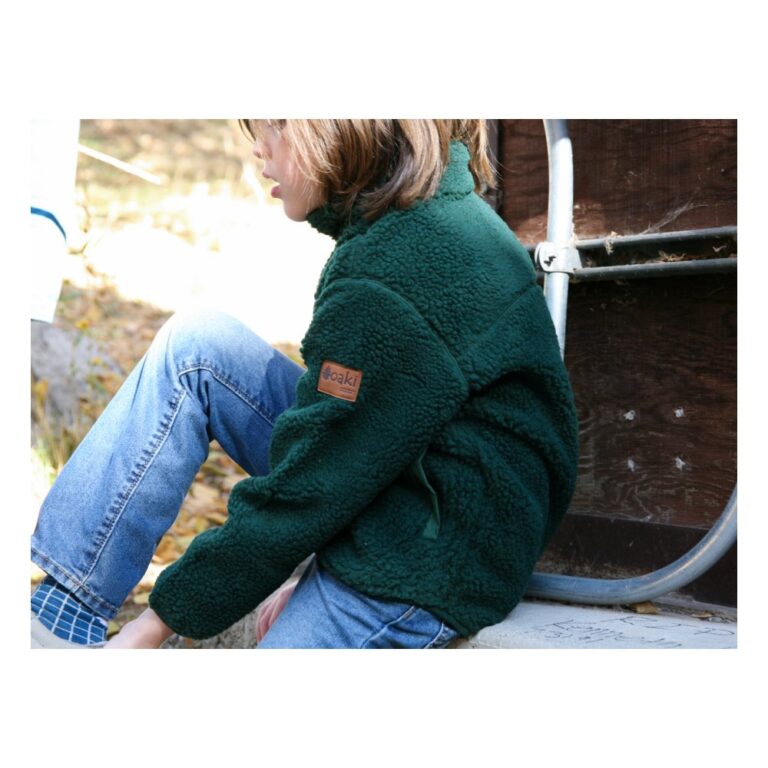
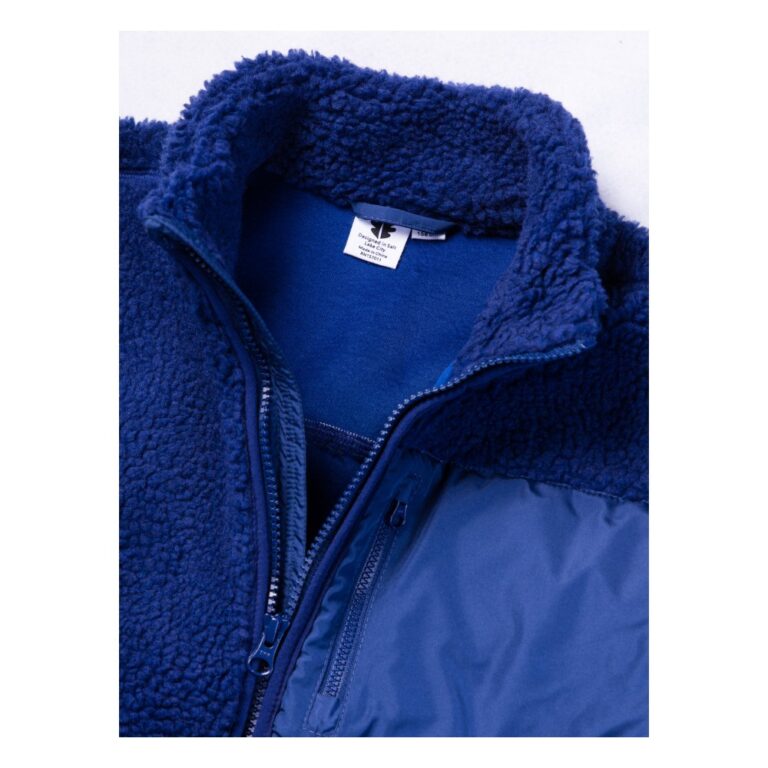
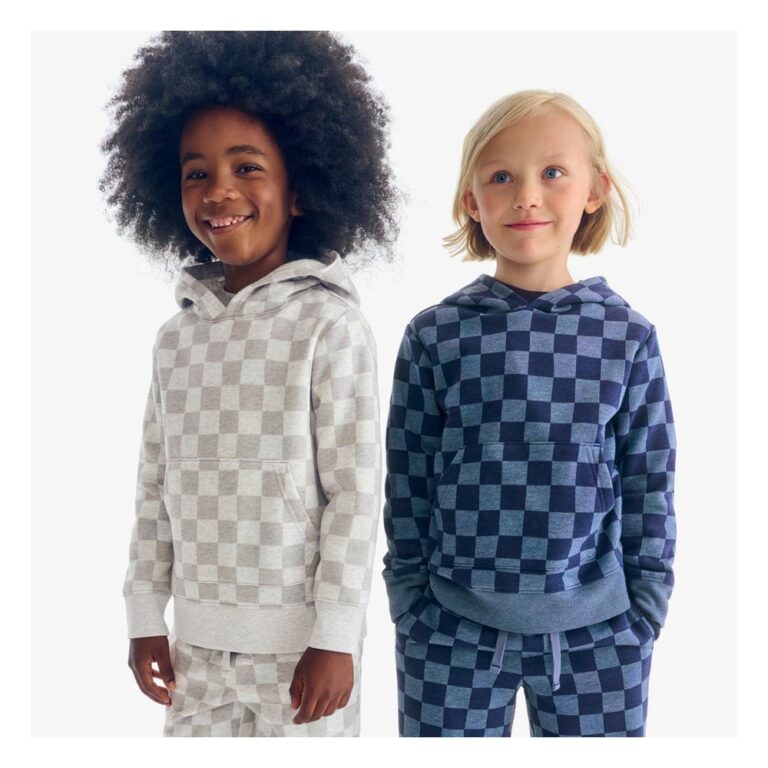
The secret to a warm child isn't one thick coat but several thinner layers. A snug base layer, like merino wool or a synthetic thermal, keeps skin dry. A fleece mid-layer traps warmth. The outer layer blocks wind and snow. Avoid cotton next to the skin on very cold days, because it stays damp once kids sweat. Look for soft, tagless base layers and a zip-up fleece that's easy to take off indoors. The drawback: layering takes longer to get on, so lay everything out the night before. Oaki makes sherpa fleece layers for kids. Roughly $20 to $50 per piece.
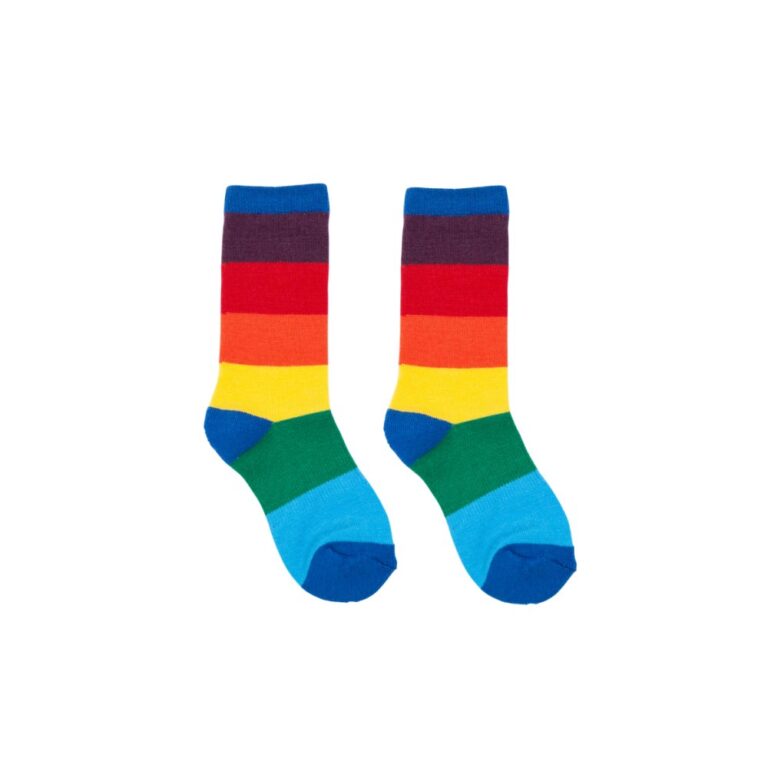
8. Wool Boot Socks
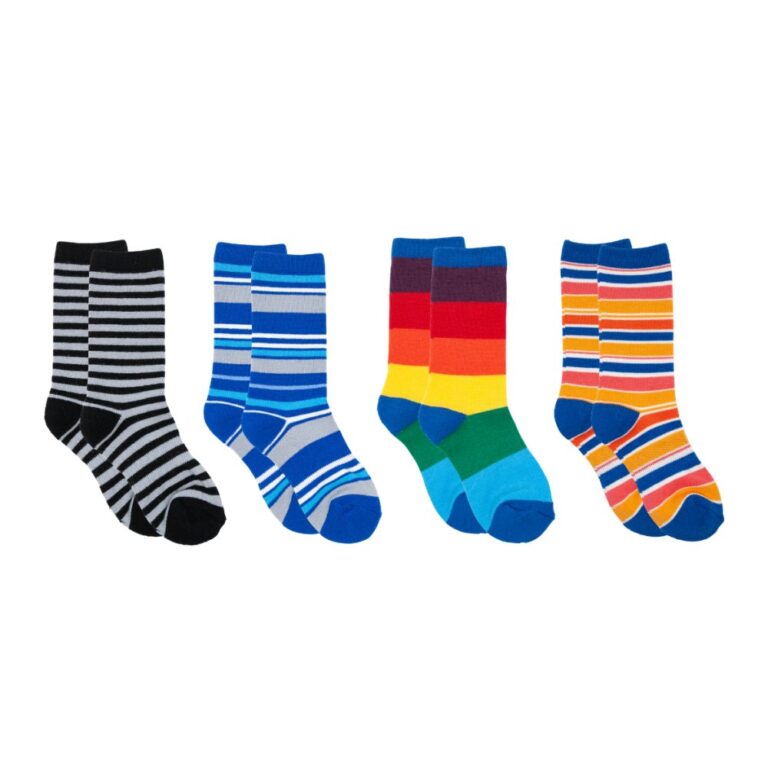
Good socks do more for warm feet than most parents realise. Wool socks stay warm even when slightly damp and wick moisture away from the skin, unlike cotton socks, which get soggy and cold. Look for merino wool blends that aren't itchy, a cushioned sole, and a height that reaches above the top of the boot, so boots don't rub. Always pack a spare pair for after the snow. The drawback: wool socks cost more than cotton, and they vanish in the wash like every other sock. Oaki sells merino wool boot socks for kids. Roughly $10 to $20 a pair.
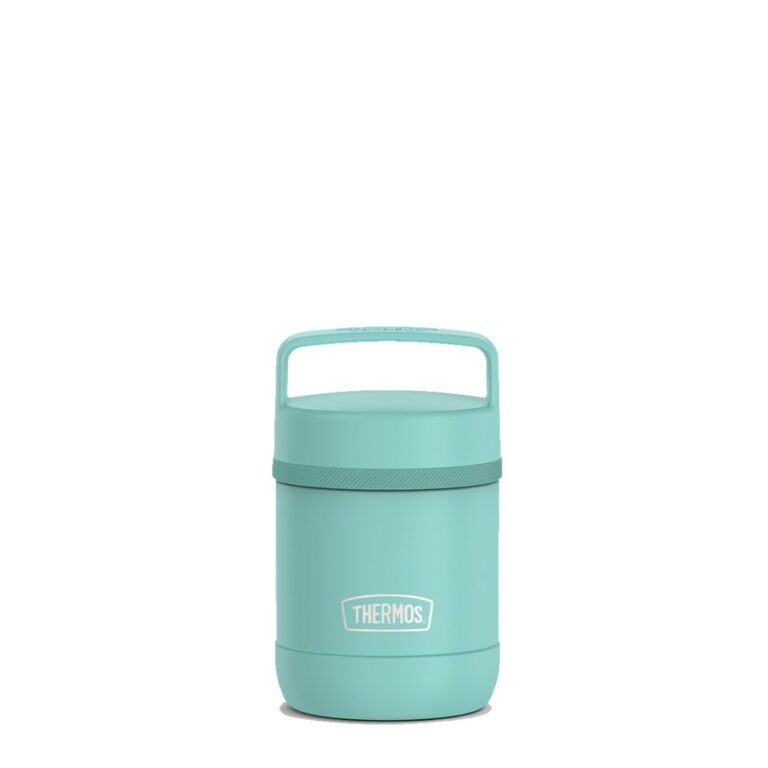
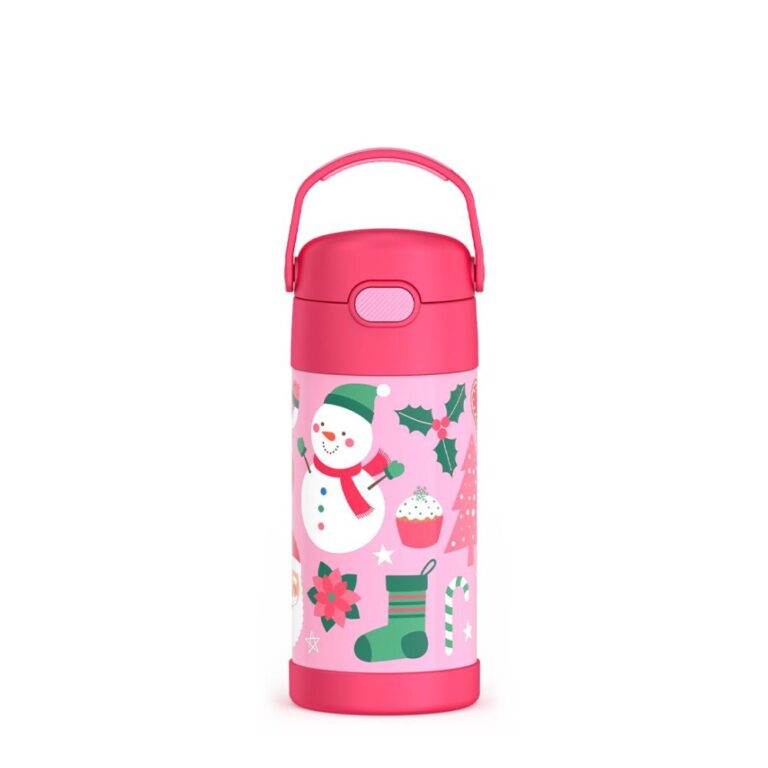
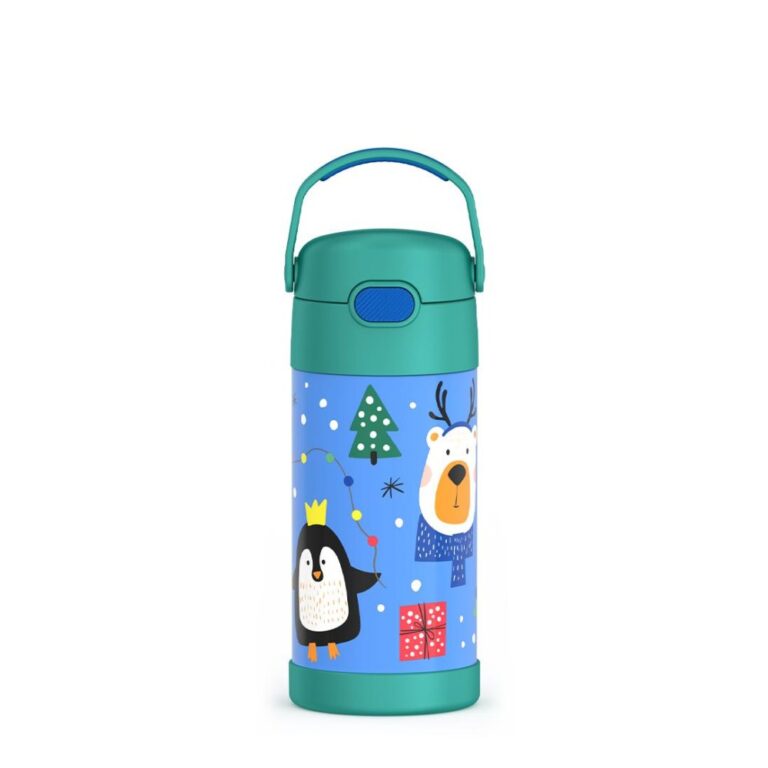
9. Insulated Food Jars and Bottles
A warm drink or a flask of soup after sledging keeps kids happy and warm, and it helps you stay out a little longer. An insulated food jar keeps soup, porridge or pasta hot for hours, and an insulated bottle can hold warm (not hot) milk or cocoa. Look for a wide opening, a lid a child can open with cold hands, and a spill-proof spout for younger children. Always check drinks aren't too hot before handing them over. The drawback: they're heavy in a backpack. Thermos makes insulated food jars and bottles sized for kids. Roughly $15 to $35.
Getting Out the Door Faster
Snow days go better when getting dressed doesn't eat half the morning. Keep all the winter gear in one basket or bench by the door, with mittens clipped to coats. Put on boots before the jacket, and mittens last, so small hands stay free for zips. Teach older kids the order they need to follow, and let preschoolers try the "coat flip" trick: lay the coat on the floor upside down, put their arms in, and flip it over their head. And always do a toilet trip before the first layer goes on.
How to Layer a Child for the Cold
Dress kids in three layers: a snug base layer, a warm middle layer, and a waterproof outer layer, plus hat, mittens and boots. A good rule is one more layer than you'd wear yourself for babies and young toddlers, who can't tell you they're cold. Check hands, feet and the back of the neck regularly, and head inside for a warm-up break every so often, especially when it's windy. The American Academy of Pediatrics shares practical winter safety tips, including signs of frostbite to watch for.
Puffy Coats and Car Seats
Thick coats and snowsuits compress in a crash, which can leave the car seat harness too loose to protect your child. Take bulky coats off before buckling in, then lay the coat or a blanket over the harness to keep them warm. The AAP explains this in its winter car seat safety tips. Always follow your car seat manufacturer's instructions.
A Winter Starter Kit by Budget
Tight budget: buy secondhand snow pants and a jacket, then spend on new waterproof mittens, a warm hat and wool socks, which make the biggest difference.
Mid budget: add insulated boots and a fleece mid-layer, so your child can layer up or down as the weather changes.
Full kit: a one-piece snowsuit for babies and toddlers (or a parka and bib snow pants for older kids), two pairs of mittens, base layers, and an insulated food jar for warm snacks after the snow.
Buy one size up where you can, and check fit before the first snowfall, not on the morning of it. Label everything with your child's name, because at school every navy mitten looks the same, and keep a small bag of spares (socks, mittens and a hat) in the car for surprise snowball fights.