
Some links in this article may be affiliate links, which means we may earn a commission at no extra cost to you.
- The Potty Training Essentials That Make a Difference
- 1. A Floor Potty
- 2. A Toilet Seat Reducer
- 3. A Sturdy Step Stool
- 4. A Travel Potty Seat
- 5. Training Underwear
- 6. Wet Bags
- 7. A Reward Chart or Sticker Chart
- 8. Potty Books
- Setting Up for the First Few Days
- Naps and Nights
- Signs Your Child Might Be Ready
- What You Can Skip
- A Simple Potty Training Starter Kit
Potty training has a way of turning perfectly calm adults into people who clap loudly in public bathrooms and carry spare trousers everywhere. It's a big step, and every child gets there on their own timeline. The right potty training essentials won't do the work for you, but they can remove a lot of small obstacles, like a seat that's too big, a sink that's too high, or an accident with nothing to put the wet clothes in. Here are eight products that help, and a few you can skip.
Every child is different, so talk to your pediatrician if you have questions about readiness or bathroom habits. The American Academy of Pediatrics has a helpful guide to the right age to toilet train.
The Potty Training Essentials That Make a Difference
1. A Floor Potty
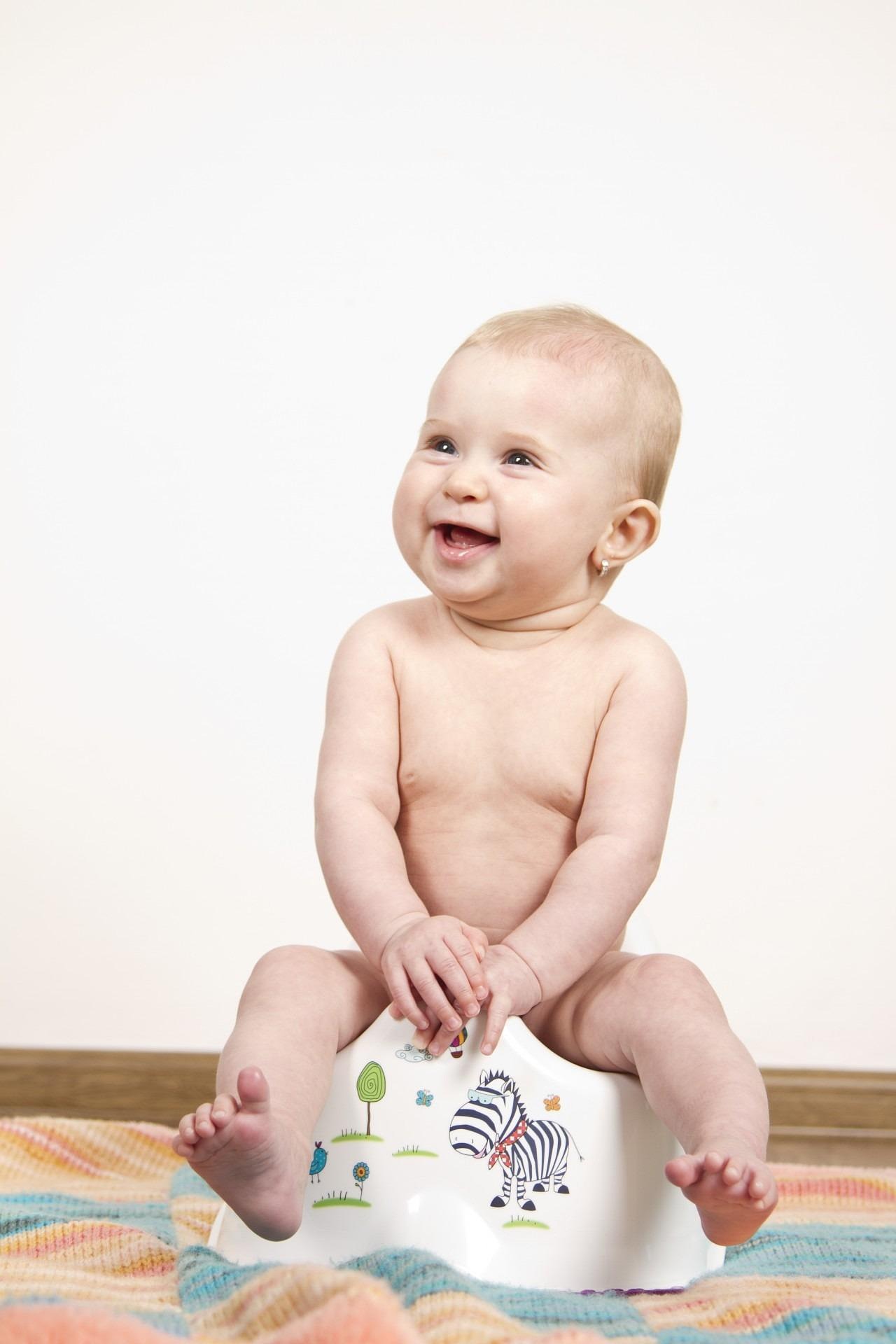
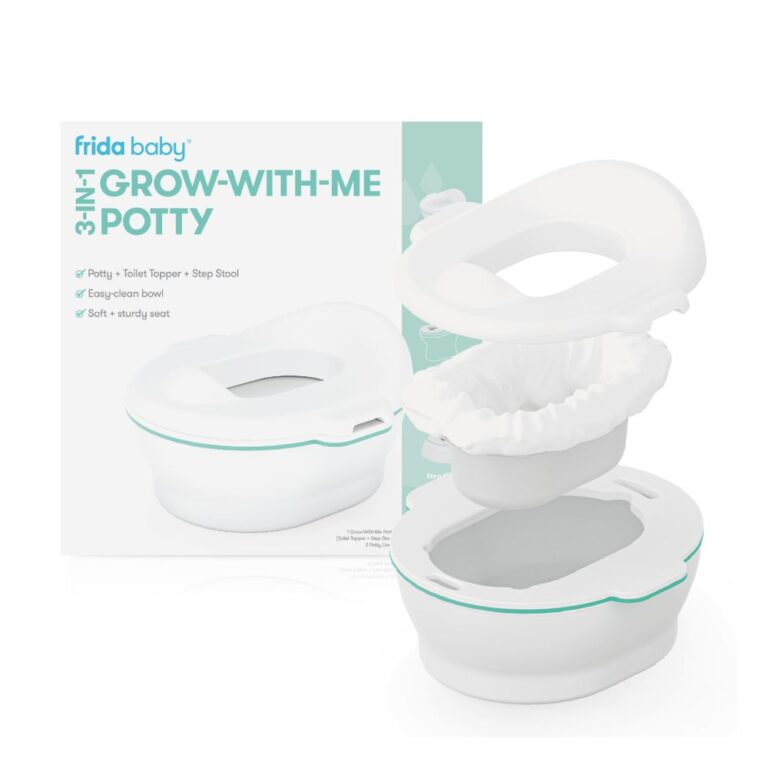
A floor potty is a small, freestanding potty that sits at toddler height, so children can get on and off without help and with their feet flat on the floor. That stability matters: many toddlers feel wobbly and nervous perched on a big toilet. Look for a wide, stable base, a removable bowl that's easy to empty and rinse, and a splash guard. Some potties convert into a toilet seat and step stool as your child grows. The drawback: someone has to empty and clean it, every time. Frida Baby makes a three-in-one potty, and LittleHippo makes a convertible potty trainer.
2. A Toilet Seat Reducer
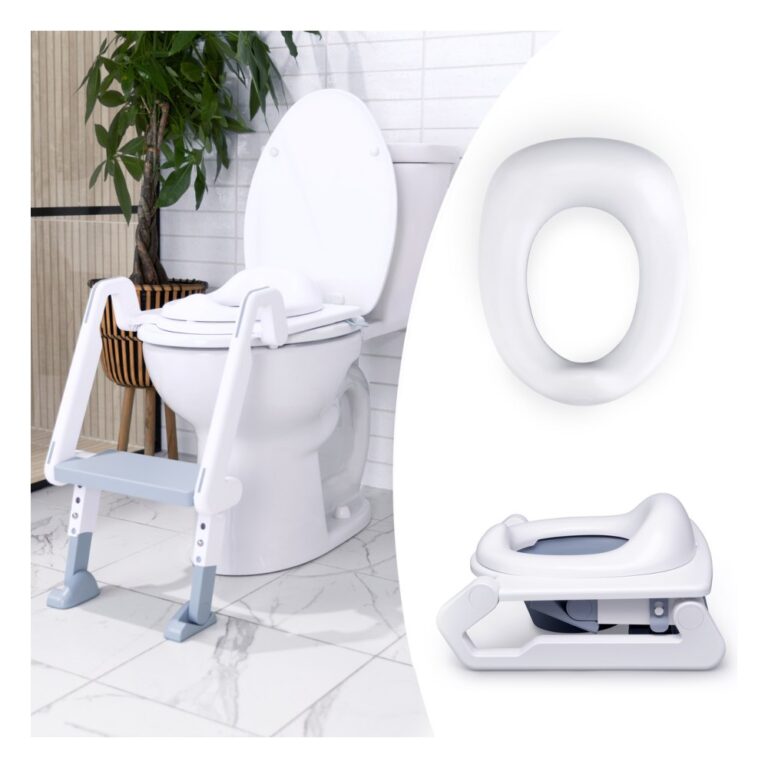
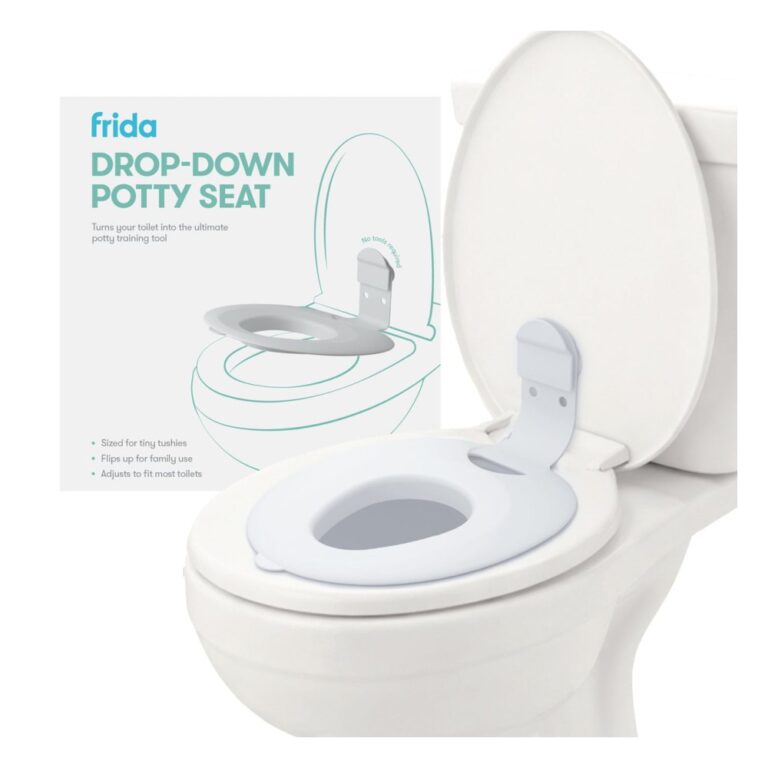
A toilet seat reducer sits on top of the regular toilet seat and makes the opening smaller, so a toddler doesn't feel like they're about to fall in. It's the natural next step after a floor potty, or a starting point for kids who want to use the "big toilet" like everyone else. Look for a seat with handles, a non-slip rim that doesn't slide around, and a design that hangs up or folds when not in use. The drawback: kids still need a step to climb up, so pair it with a stool. Frida Baby makes a drop-down seat that attaches to the toilet.
3. A Sturdy Step Stool
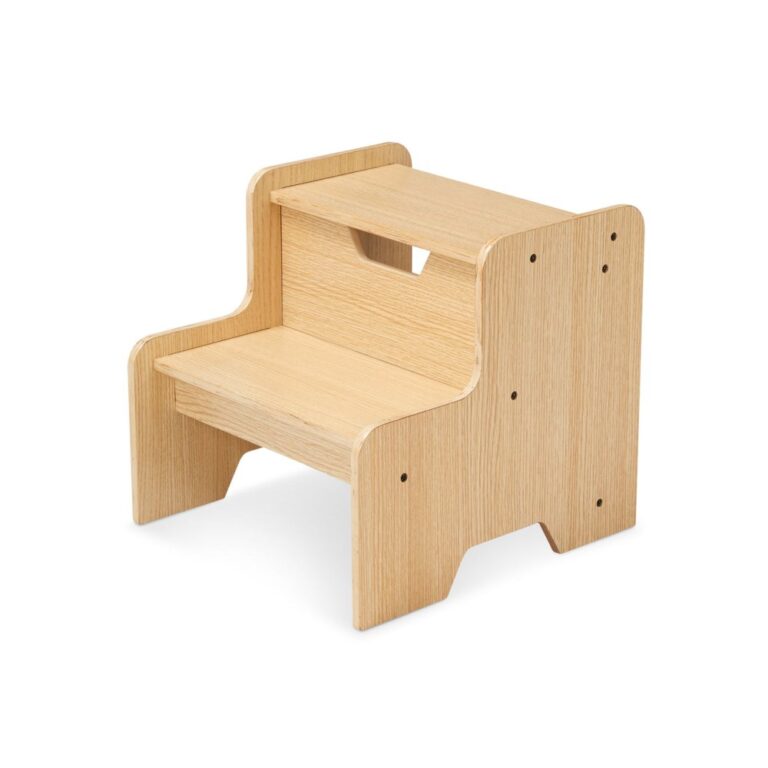
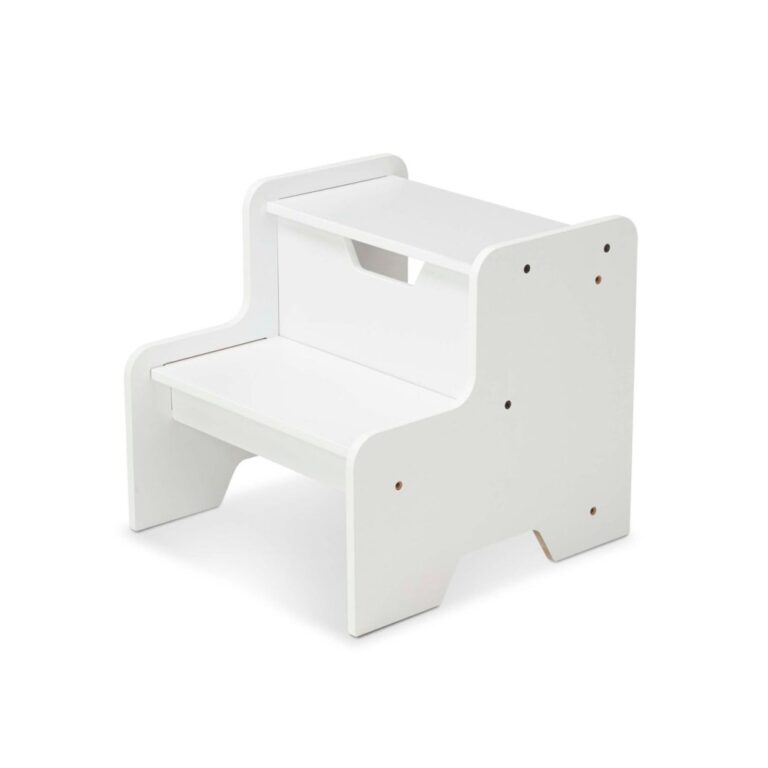
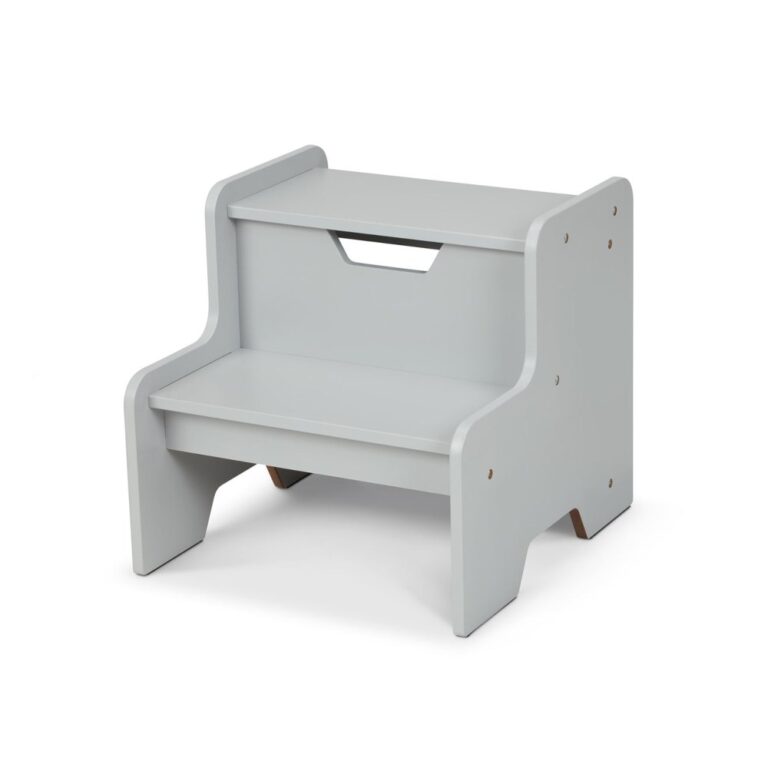
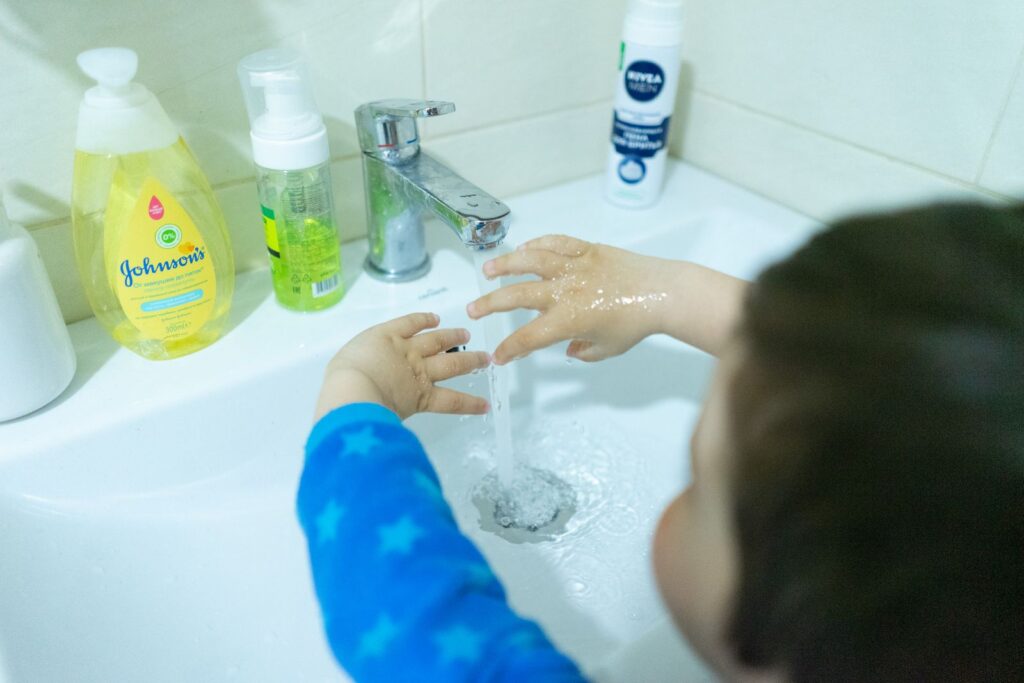
A step stool helps toddlers climb onto the toilet, rest their feet while sitting (which many find more comfortable), and reach the sink to wash their hands afterwards. It builds independence, which is a big part of successful toilet training. Look for a wide top, non-slip feet, and a height that suits both toilet and sink. A two-step stool works well for smaller children. The drawback: stools become climbing equipment in other rooms, so supervise younger toddlers and keep the stool in the bathroom. Melissa & Doug makes a simple wooden step stool.
4. A Travel Potty Seat
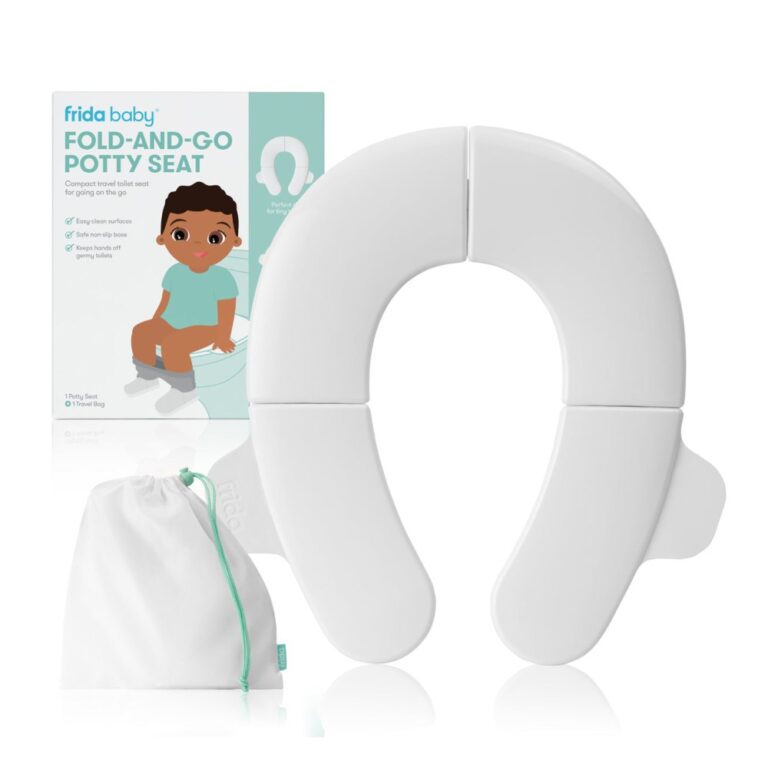
A folding travel seat, or a small portable potty, makes outings much less stressful during training, when "I need to go" usually means "I need to go right now." Folding seats fit over public toilets, while portable potties with disposable liners work in the car or at the park. Look for something that folds small enough for a bag, a wipe-clean surface and a carry pouch. The drawback: it's one more thing to pack, but you'll be glad of it on a long drive. The AAP has tips on using a public bathroom. Frida Baby makes a fold-and-go seat.
5. Training Underwear
Training underwear is thicker than regular underwear, with extra absorbent layers in the middle that catch small accidents without the full soak. Many children like wearing "big kid" underwear with fun prints, which can be motivating. Look for soft, breathable cotton, an absorbent layer that washes well, and enough pairs to get through a day with accidents (six to ten is a good start). The drawback: they don't hold a full accident, so expect some changes. Pull-up style disposable training pants are another option, especially for naps and nights.
6. Wet Bags
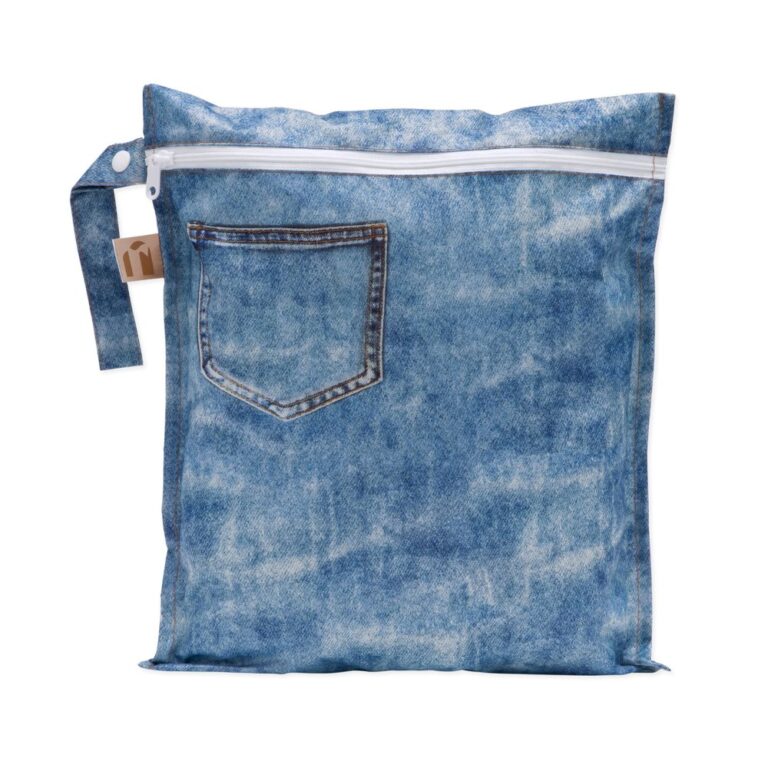
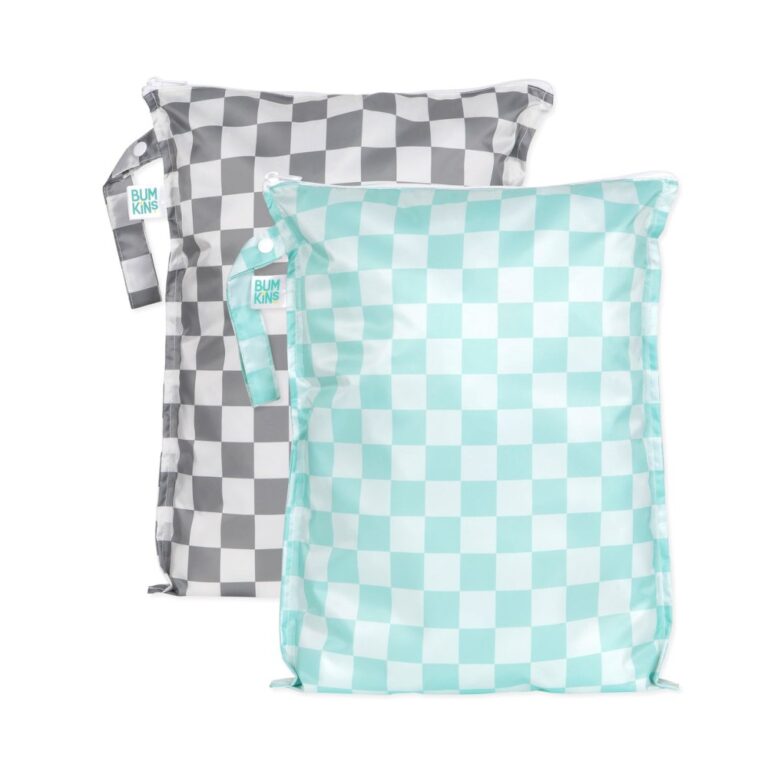
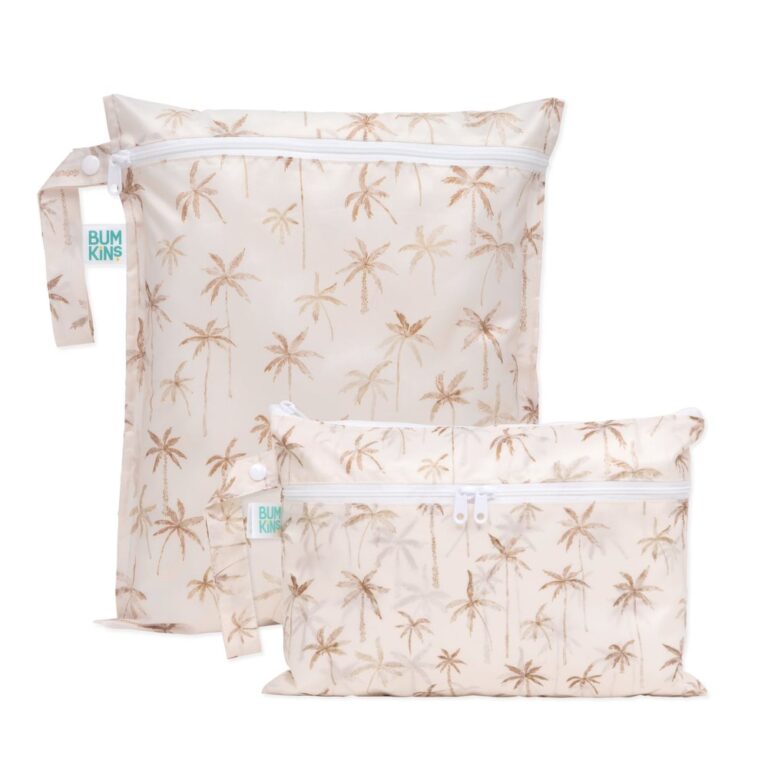
A waterproof wet bag keeps soggy clothes separate from everything else in the diaper bag, and it's one of those items you don't know you need until the first accident at the playground. Look for a zip closure, waterproof lining, a size that fits a full change of clothes, and a design that can go in the washing machine. A two-compartment bag keeps clean spares and wet clothes apart. The drawback: they need regular washing to stay fresh. Bumkins makes wet bags in lots of patterns.
7. A Reward Chart or Sticker Chart
A simple reward chart, where children add a sticker each time they use the potty, gives them something to be proud of. Many toddlers love collecting stickers more than any other reward. Keep it simple: one sticker for trying, maybe a small treat after a certain number. Look for a chart with space for plenty of stickers and bright designs. A homemade chart works just as well as a bought one. The drawback: some children lose interest after a week, so switch rewards occasionally. The AAP offers ideas on how to praise and reward your child's success.
8. Potty Books
A picture book about using the potty helps toddlers understand what's going on, which can make the whole process less mysterious. Reading one together, perhaps while they sit on the potty, gives them something to do and keeps them there a little longer. Look for books with clear, friendly illustrations and simple words, and ideally a character your child can relate to. The drawback: some children ask for the same potty book several times a day. That's normal, and part of the charm. Your local library usually has a good selection.
Setting Up for the First Few Days
Many families find it easier to start during a quiet stretch at home, like a long weekend, with no big trips planned. Put the potty somewhere easy to reach, often the bathroom, but sometimes the living room for the first few days. Dress your child in clothes they can pull down quickly, like elastic-waist trousers, and skip anything with tricky buttons or overalls. Offer the potty at regular times, such as after waking, after meals and before leaving the house. Keep expectations low and praise high, and have cleaning supplies ready. Accidents are part of learning, not a sign it isn't working.
Naps and Nights
Staying dry at night usually comes later than daytime training, sometimes much later, and that's completely normal. Many children keep wearing disposable training pants at night for months or even years after they're dry during the day. A waterproof mattress protector saves a lot of laundry stress, and a small night light helps if your child wakes needing the toilet. The AAP explains what's typical in its guide to bedwetting.
Signs Your Child Might Be Ready
There's no perfect age for toilet training, and readiness matters more than a birthday. Signs include staying dry for a couple of hours, showing interest in the toilet, telling you when their diaper is wet or dirty, being able to pull pants up and down, and following simple instructions. The AAP has a guide to creating a toilet training plan and notes that regression is common, so don't worry if there are setbacks. Ask your pediatrician if you have concerns about constipation, pain or withholding.
What You Can Skip
Musical or electronic potties. They're fun for a day, but they add cost and more parts to clean, and some children get startled by the noise.
Expensive "potty training programmes." Most families do fine with a potty, patience and a sticker chart.
Special toilet paper gadgets. A roll within reach and some practice works perfectly well.
A Simple Potty Training Starter Kit
Start with a floor potty or a seat reducer with a step stool, depending on what your child prefers. Add six to ten pairs of training underwear, a wet bag for outings, a sticker chart and a potty book. Keep a travel seat and a spare change of clothes in the car. Tell grandparents, childminders and nursery staff which words and routine you're using, so your child hears the same thing everywhere. Most importantly, stay calm, keep it positive, and remember that every child gets there in the end, usually just after you've bought the biggest pack of diapers.