

Some links in this article may be affiliate links, which means we may earn a commission at no extra cost to you.
- Why Wooden Toys Get Recommended So Often
- The Best Wooden Toys for Toddlers, Type by Type
- 1. Stacking Rings
- 2. Chunky Wooden Blocks
- 3. Knob and Chunky Puzzles
- 4. Shape Sorters
- 5. Pull-Along Toys
- 6. Push Walkers and Wagons
- 7. Play Kitchens and Pretend Food
- 8. Rainbow Stackers and Open-Ended Sets
- 9. Pounding Benches and Tap-Tap Toys
- 10. Wooden Train Sets
- The Wooden Toys to Skip (or at Least Wait On)
- A Quick Safety Check Before You Buy
- A Starter Set for a First Birthday
Ask any group of parents what to buy a toddler and someone will say "get wooden toys" before you finish the question. They cost more than the plastic versions, so it is fair to ask whether the best wooden toys for toddlers actually earn that price or just look nicer on the shelf. The honest answer: some do, some really don't, and the difference usually comes down to the type of toy, not the material alone.
Why Wooden Toys Get Recommended So Often
Good wooden toys are heavy enough to feel satisfying, simple enough that a child supplies the action, and sturdy enough to survive being thrown down the stairs. Many outlast the toddler years and get passed to a sibling or cousin. The downsides are real too: they cost more, they hurt when they land on your foot at 6 a.m., and a cheap one can splinter or chip. The list below focuses on types where wood genuinely does the job better.
The Best Wooden Toys for Toddlers, Type by Type
1. Stacking Rings
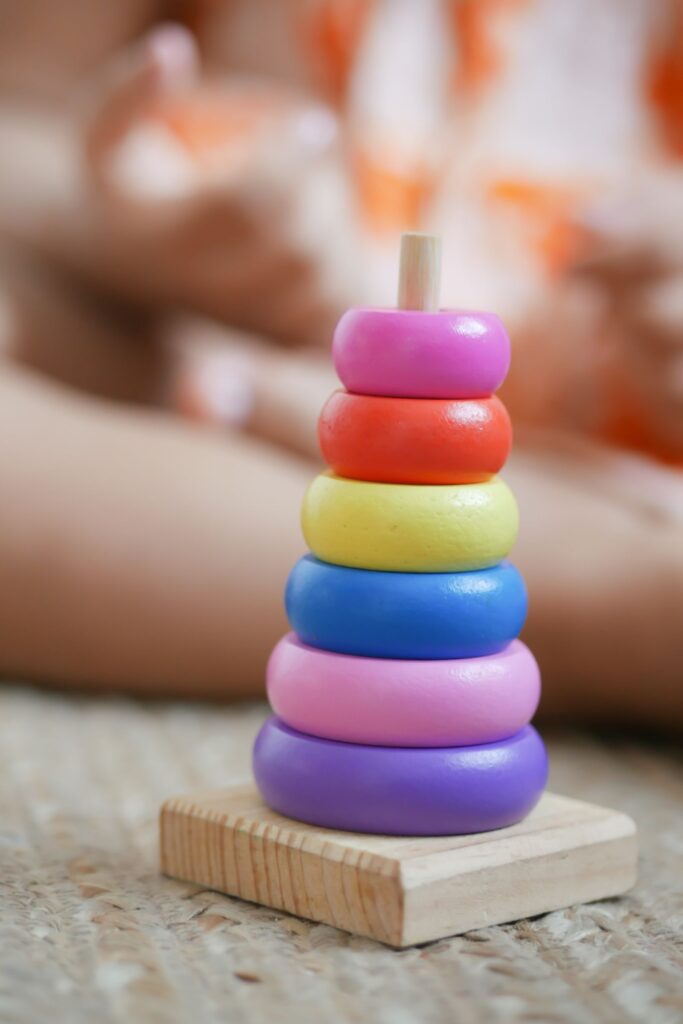
The classic cone with graduated rings is often the first "real" toy a baby figures out, usually from around 6 to 12 months, and it keeps working into the second year as they start sorting by size. Early on, a child mostly pulls rings off and mouths them. Later they try to put them back in order and get very annoyed when the big one won't go on last. A well-made stacker has a rounded, wide base that doesn't tip, a smooth post with no sharp top, and rings thick enough to grip. Cheap ones often have thin rings and glossy paint that chips at the edges. PlanToys and Hape both make simple versions.
2. Chunky Wooden Blocks
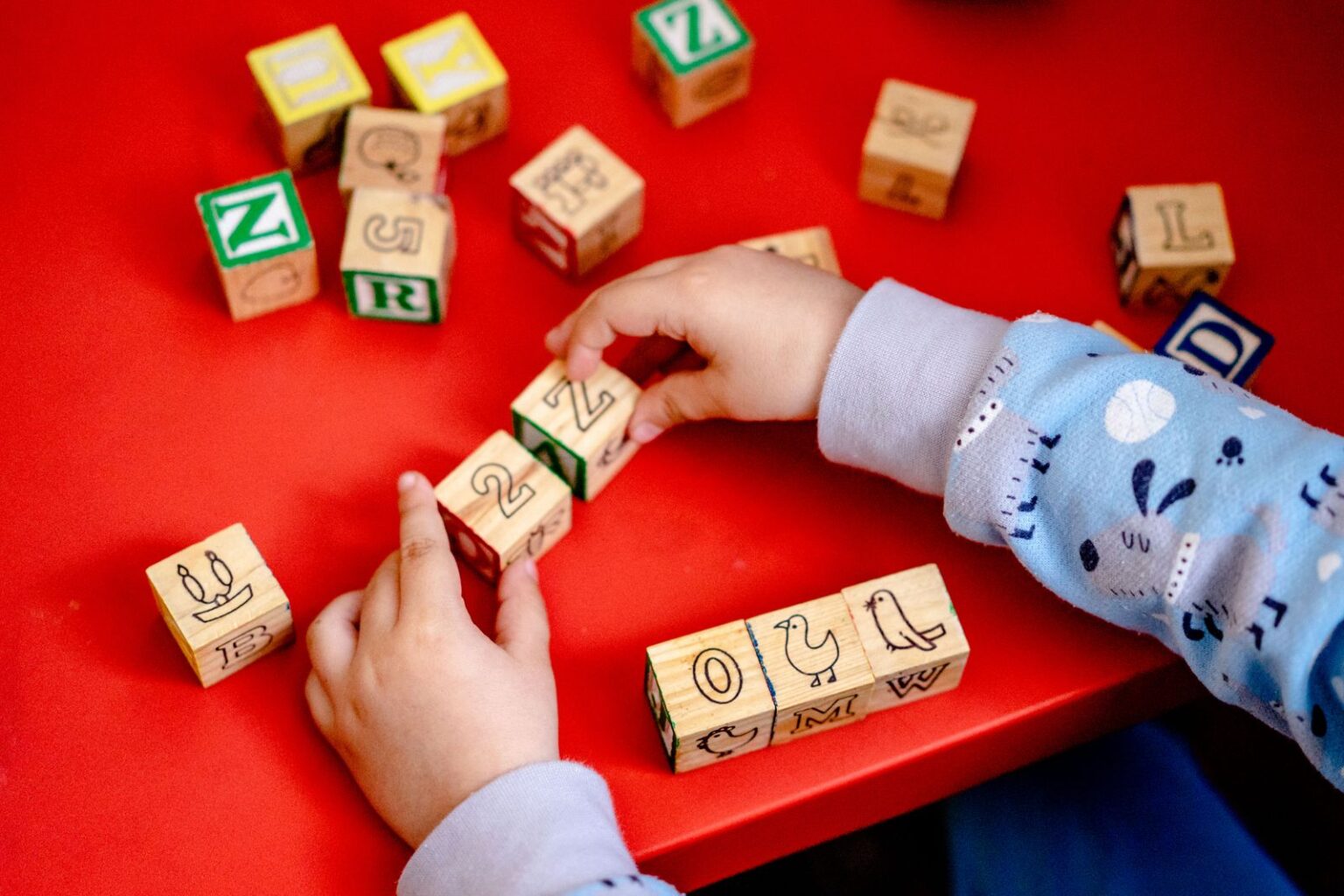
If you only buy one wooden toy, make it a set of plain blocks. From about 12 months a toddler will bang two together, knock down your towers, and slowly start building their own. By two and three, blocks become roads, walls, beds for toy animals, and extremely tall towers that must be announced to the whole house. Look for solid hardwood, sanded corners, and consistent sizes so pieces actually stack. Unit blocks cut to matching proportions are worth the extra cost. Melissa & Doug sells standard unit block sets, and Uncle Goose makes the letter blocks many parents remember from their own childhood.
3. Knob and Chunky Puzzles
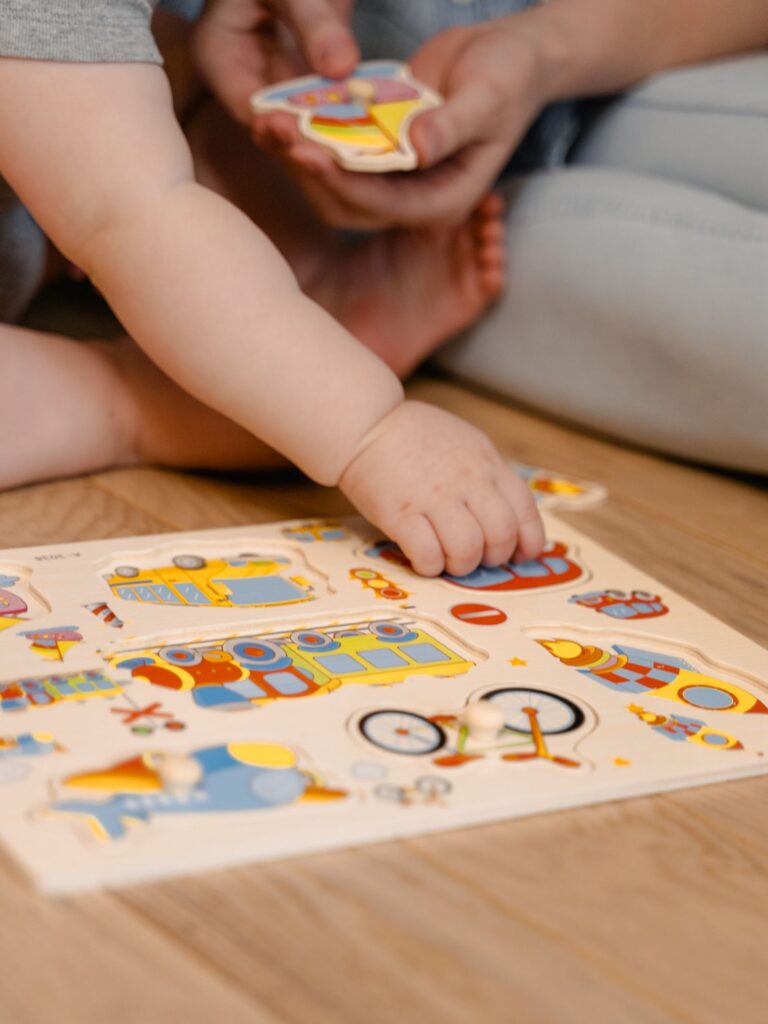
Wooden inset puzzles, where each shape sits in its own cutout, suit children from around 12 to 24 months. The first version has big knobs to pull pieces out. Later versions have chunky pieces that stand up on their own, which toddlers love to line up and march around the table. A good puzzle has knobs glued or fixed firmly (check them, since loose knobs can become small parts), deep cutouts so pieces seat properly, and clear pictures that match the shape. Cheap versions use thin board and printed stickers that peel. Melissa & Doug has a large range of both styles.
4. Shape Sorters
A shape sorter asks a toddler to match a block to its hole, which sounds simple until you watch someone try to force a star into the circle for four minutes. They usually click somewhere between 12 and 24 months, and the frustration is part of the learning. A good sorter starts with only a few shapes, has a lid or drawer that opens easily for retrieving pieces, and uses solid wood rather than thin plywood that can split. Avoid sorters with a dozen complicated shapes for a first one; three or four is plenty. PlanToys and HABA both make well-regarded versions.
5. Pull-Along Toys
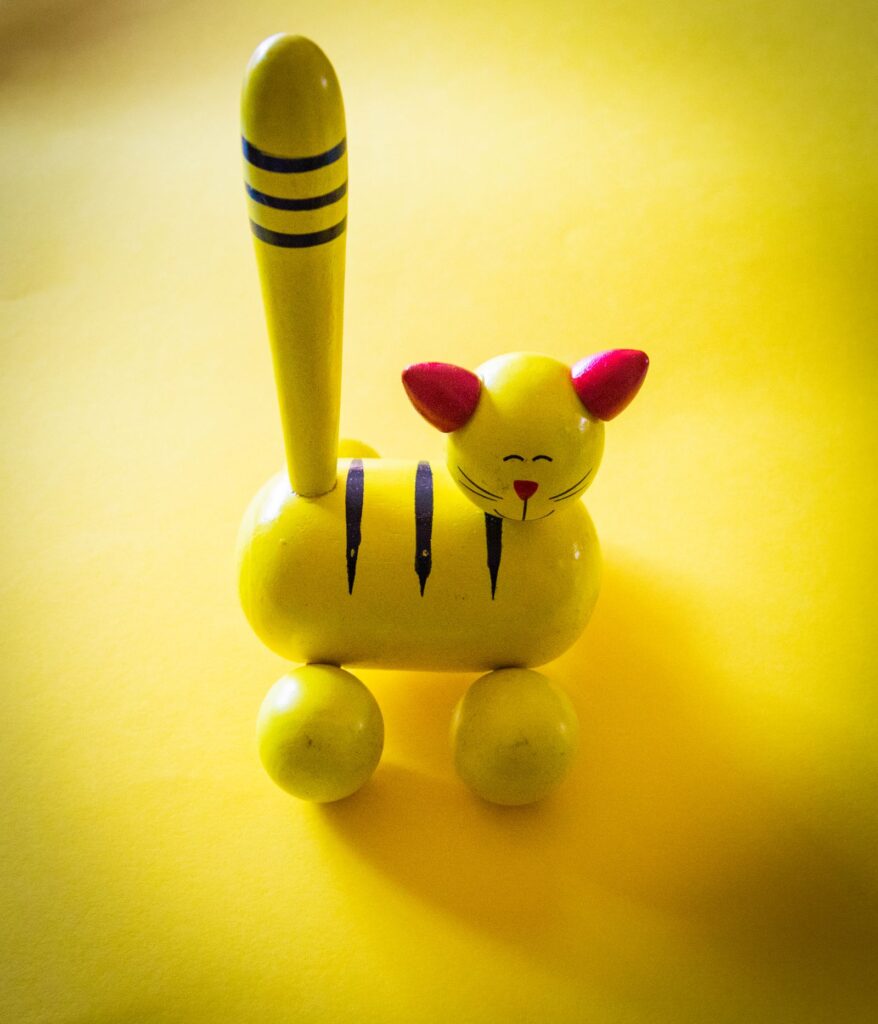
A pull-along toy on a string gives a new walker a reason to keep walking and a companion to look back at. They tend to be a hit from about 12 to 24 months, often in the form of a dog, duck or snake whose segments wobble as it moves. A well-made one rolls smoothly on wheels that are fixed securely, has a thick, short cord with a large bead or handle at the end, and doesn't tip over at every turn. Cords are a strangulation risk, so keep pull toys out of the crib and supervise play. BRIO and Janod both make classic pull-alongs.
6. Push Walkers and Wagons
A wooden push walker, usually a wagon with a handle and a load of blocks, helps a child who is pulling up to stand practise steps, usually from around 9 to 15 months. Afterwards it becomes a cart for hauling toys, snacks and the occasional cat. The key difference between good and cheap is stability: a wide wheelbase, weight low down, and wheels with some resistance or an adjustable brake so the walker doesn't shoot off across a wooden floor. Test the handle height against your child. Always supervise use near stairs. Hape and HABA both sell wooden walkers.
7. Play Kitchens and Pretend Food
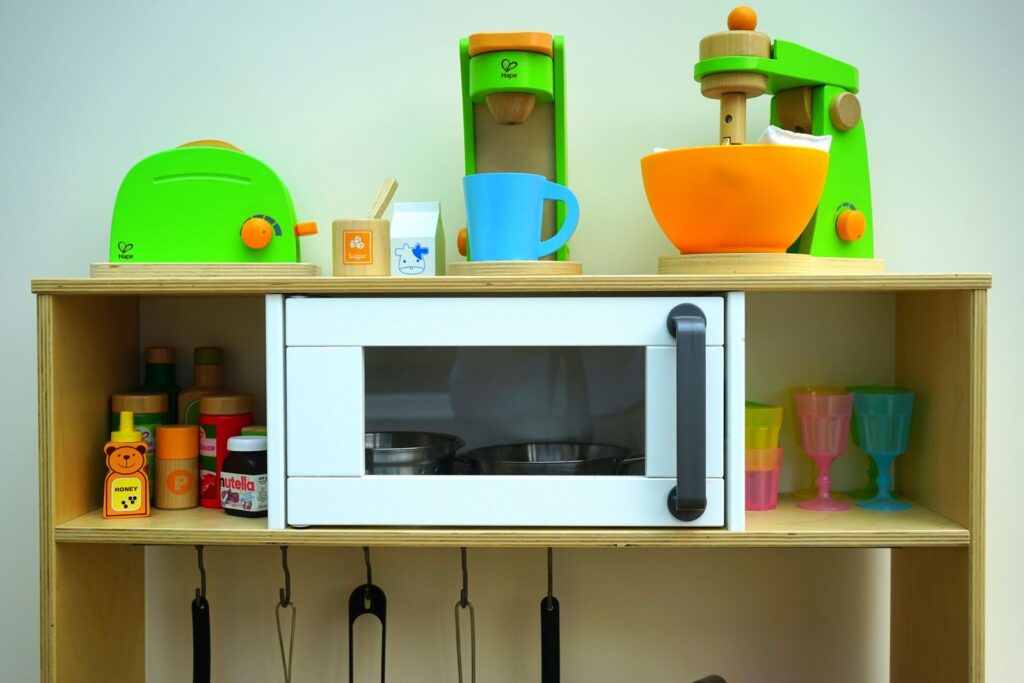
Pretend play takes off between about 18 months and 3 years, when toddlers start copying everything you do, including sighing at the washing up. A wooden play kitchen gives that copying somewhere to go, and wooden "cut-apart" food with Velcro joins is a hit on its own. A good kitchen is stable enough that it won't tip when a toddler climbs the oven door (they will try), has smooth edges, and keeps any small parts like knobs securely attached. Size matters too: measure your space first, because some models are much bigger than photos suggest. KidKraft and Le Toy Van make wooden kitchens and accessories.
8. Rainbow Stackers and Open-Ended Sets
The arched wooden rainbow has become an Instagram favourite, but it earns its place. From about 12 months a child stacks and knocks it down. By two or three it becomes a tunnel, a bridge, a cradle, or a fence for toy animals. Open-ended toys like this don't have a "right" way to play, so they last for years. A good one uses solid wood with a water-based stain that lets the grain show, and arches that nest neatly. The cheaper copies are often thinner and lighter and topple easily. Grimm's is the original maker most parents mean when they say "the rainbow."
9. Pounding Benches and Tap-Tap Toys
A pounding bench, where pegs are hammered through holes and then flipped over to go again, is pure cause and effect, and toddlers from about 18 months find it deeply satisfying. It also gives banging a place to happen that isn't the TV. A good bench has pegs that need a firm tap, not so tight they are impossible or so loose they fall through, and a mallet with a large, rounded head. Ball-pounding versions, where a ball rolls down a track after being tapped, are a nice variation. Check that pegs are large enough to be well beyond small-part size. Melissa & Doug and Hape sell both kinds.
10. Wooden Train Sets
Wooden railways are where many families end up spending the most, and they can genuinely last from about age 2 until 6 or 7. Younger toddlers push trains along and pull cars apart, older ones start designing tracks with bridges and stations. A good starter set has sturdy track pieces that fit tightly, magnetic couplings strong enough to hold but easy for small hands to separate, and trains without tiny detachable parts. Many sets are labelled 3+ because of small components, so read the box before buying for a two-year-old. BRIO is the long-running name here, and many other brands' tracks are made to be compatible with it.
The Wooden Toys to Skip (or at Least Wait On)
Not every wooden toy is worth the premium. These three disappoint more often than they delight at this age.
Magnetic fishing games. They look charming, but the magnets on toddler-sized rods are usually too weak to catch anything, which turns "fishing" into sustained frustration. If a magnet works loose it becomes a serious swallowing hazard. Save these for older preschoolers, and check that magnets are fully enclosed.
Wooden clocks, calendars and "learning boards." Days of the week, months and telling time are well beyond most toddlers. These tend to end up as decorations or as a source of tiny pegs under the sofa. Wait until your child actually asks what day it is.
Sets with lots of tiny pieces. Dollhouse furniture, small lacing beads and miniature food sets are wonderful at four and risky at two. Many are labelled 3+ for exactly this reason: under-threes still put things in their mouths, and small parts can be a choking hazard.
A Quick Safety Check Before You Buy
Wood feels "natural," but that doesn't make every wooden toy safe. Check the age label on the box, since toys with small parts must carry a warning in the US. The U.S. Consumer Product Safety Commission's toy safety guidance explains the rules, and you can search for any product in the CPSC recalls database. In the EU, toys should carry the CE mark under the EU toy safety rules. For paints and finishes, favour brands that state their toys use non-toxic, water-based paints and meet these standards, and be cautious with very cheap, unbranded wooden toys from marketplaces, where finishes and testing are harder to verify. Check old or second-hand toys for cracks, splinters and loose parts before handing them over. This is general information, so ask your paediatrician if you have specific concerns.
A Starter Set for a First Birthday
If you want three wooden toys that will each get years of use, start here:
- A stacking ring toy. It works right away and keeps teaching new skills well into the second year.
- A set of chunky wooden blocks. The most versatile toy on this list, and the one most likely to still be used at five.
- A push walker wagon. It supports first steps now and becomes the go-to toy hauler later.
Add others as interests appear. A toddler who drags everything around the house will love a pull-along, and one who narrates their day will be ready for a play kitchen before you know it.