


Some links in this article may be affiliate links, which means we may earn a commission at no extra cost to you.
- Toddler Bedtime Routine Products That Help
- 1. A Soft Night Light
- 2. A Sound Machine
- 3. Bedtime Storybooks
- 4. An OK-to-Wake Clock
- 5. Comfortable Pajamas
- 6. Blackout Curtains or Blinds
- 7. A Toddler Sleep Bag
- 8. A Visual Routine Chart
- 9. A Comfort Toy for Toddlers
- Build a 20-Minute Bedtime Routine
- Handling the Classic Stalling Tactics
- Pick Two to Start
Bedtime with a toddler can feel like a hostage negotiation: one more book, one more drink of water, one more trip to the toilet, one more question about whether sharks sleep. No product will end the standoff on its own, but the right toddler bedtime routine products can make evenings more predictable, and predictable is what small kids need to wind down. Here are nine kinds worth considering, with the honest drawbacks.
A quick note before we start: everything below is for toddlers and preschoolers. For babies under 12 months, safe-sleep guidance should come from your pediatrician or an official source such as the American Academy of Pediatrics safe sleep guide, which recommends keeping loose bedding, pillows and soft toys out of an infant's sleep space.
Toddler Bedtime Routine Products That Help
1. A Soft Night Light
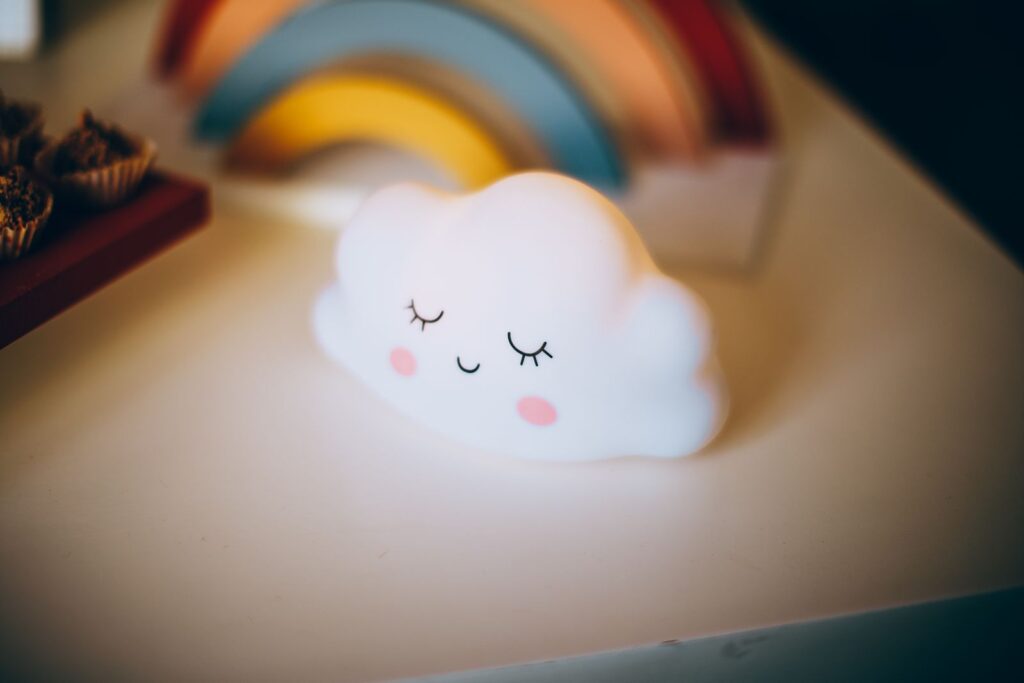
A dim night light helps kids who are nervous about the dark, and makes night-time trips to the toilet (or to your room) safer. Warm, amber-toned light is generally a gentler choice than bright white or blue light for bedtime. Look for adjustable brightness, a warm color option, and a design that stays cool to the touch. Some night lights let kids carry them, which gives a sense of control. The drawback: some kids get attached to a particular color and will insist on it, forever. Hatch makes a night light that also works as a sound machine and wake clock.
2. A Sound Machine
A sound machine plays steady white noise, rain or fan sounds that mask household noise, like the dishwasher, the TV or a sibling still up. It's a simple sleep cue: when the sound comes on, it's bedtime. Look for a machine that plays continuously all night, adjustable volume, and a simple button layout. Keep it at a moderate volume and not right next to your child's head. The drawback: some kids come to rely on it, so travel means bringing it along or using an app. Yogasleep makes classic fan-style sound machines.
3. Bedtime Storybooks
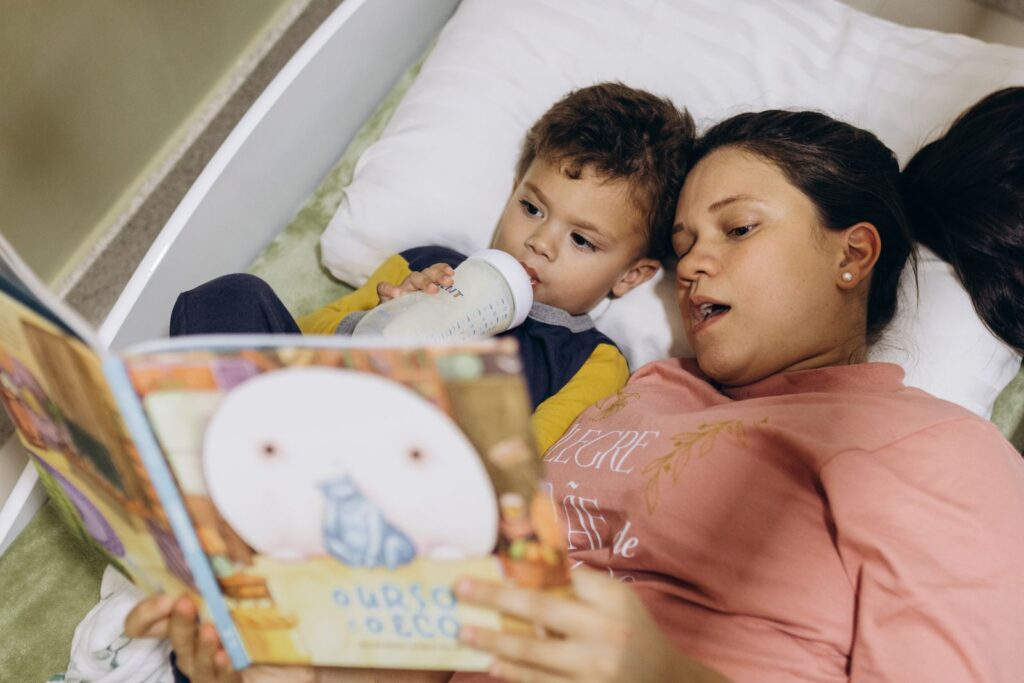
A few books read in the same cozy spot is the heart of most bedtime routines. Choose calm, repetitive stories for toddlers, and gentle longer picture books or short chapters for preschoolers. The books you pick matter less than the ritual of reading them together. Look for books with a slow rhythm and a sleepy ending, and let your child choose one of two options to give them some control. The drawback: kids often want the same book every single night for months. That's normal, and you'll learn it by heart. Your local library keeps the supply fresh for free.
4. An OK-to-Wake Clock
An OK-to-wake clock uses colors or a simple image to show young kids when it's still time to sleep and when it's OK to get up. It's a visual cue for children who can't read a clock yet and helps with early wake-ups. Look for easy-to-set programmes, a soft glow that isn't too bright, and a design your child finds friendly. It works best introduced gradually, with lots of praise for staying in bed. The drawback: it's not magic, and some kids test it hard in the first weeks. Hatch and LittleHippo both make toddler wake clocks.
5. Comfortable Pajamas
Pajamas are a small but real part of the routine. Changing into them is a clear signal that the day is ending. Choose breathable fabrics like cotton, sized so they're neither tight nor baggy, and appropriate for the room temperature. Some kids are sensitive to tags and seams, so tagless designs can prevent a nightly battle. Look for easy fastenings for kids learning to dress themselves. The drawback: novelty pajamas tend to be synthetic and warmer than expected. Primary and Hanna Andersson are popular for simple, soft kids' pajamas.
6. Blackout Curtains or Blinds
Blackout curtains block streetlights and early summer sunrises, which can help kids fall asleep at a sensible hour and sleep past 5 a.m. They're particularly helpful in summer, when bedtime happens in daylight. Look for curtains that overlap the window frame, or a cordless blind. For toddlers, avoid looped blind cords, which are a strangulation risk. Portable blackout blinds that suction to windows are useful for travel. The drawback: a very dark room can make some kids anxious, so combine blackout curtains with a soft night light. IKEA sells affordable blackout curtains and blinds.
7. A Toddler Sleep Bag
A toddler sleep bag, or wearable blanket with foot openings, keeps kids warm even if they kick off their covers, and it can slow down a toddler who likes to climb out of bed. Many families continue using one well into the toddler years. Look for the right size for your child's height, a fabric weight suited to the room temperature, and a two-way zipper. Styles with feet let toddlers walk safely. The drawback: some kids refuse them once they discover blankets. HALO makes wearable blankets and toddler sleep sacks.
8. A Visual Routine Chart
A visual routine chart shows each bedtime step in pictures: bath, pajamas, teeth, story, lights out. For toddlers and preschoolers, being able to see what comes next reduces arguments, and ticking off steps gives a sense of achievement. Look for a simple chart with movable pieces or a wipeable surface, or make your own with photos of your child doing each step. The drawback: the chart only works if you follow it every night, so keep the routine short and realistic. Free printable charts are easy to find, and a homemade one works just as well.
9. A Comfort Toy for Toddlers
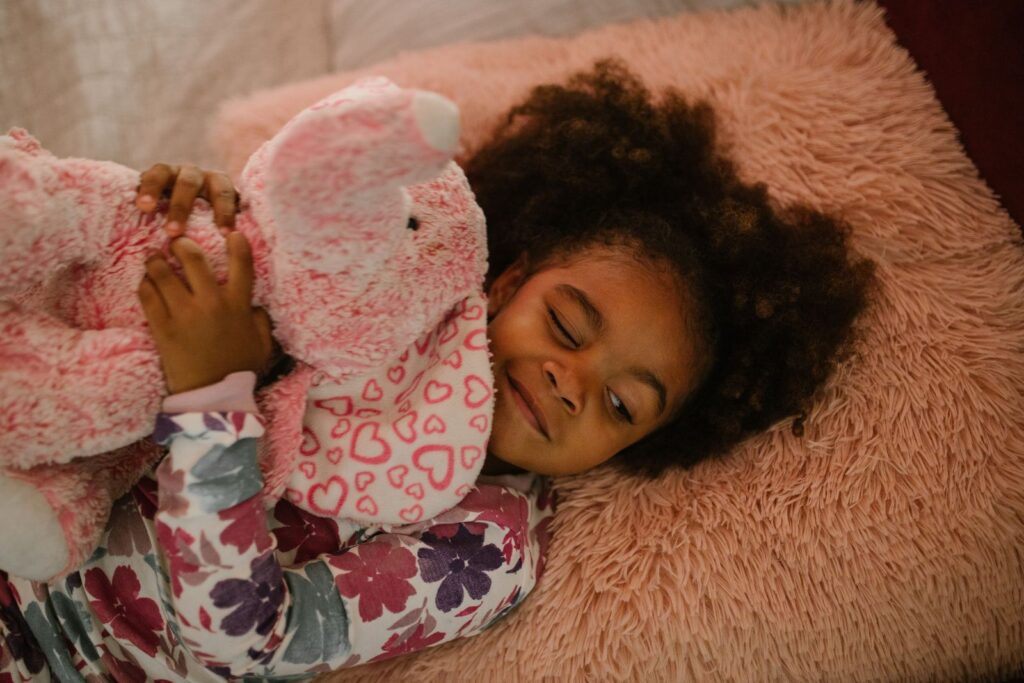
A comfort toy, or lovey, is a soft toy or small blanket that a child associates with sleep and security. For many toddlers, it's the thing that makes lights-out feel less lonely. Choose one soft, washable toy, ideally with a duplicate so a spare can go in the wash or stand in when one gets lost. Soft toys and blankets are for toddlers, not babies. Follow AAP safe-sleep guidance about waiting until your child is over 12 months before introducing one in the bed. The drawback: losing a lovey can be a family emergency. Jellycat makes famously soft plush toys.
Build a 20-Minute Bedtime Routine
A routine that's short and repeatable works better than a long one that falls apart on busy nights. Try this order, and adjust it to fit your family:
- Bath or wash (5 minutes). Warm water signals the end of the day.
- Pajamas and teeth (5 minutes). Use the routine chart so your child knows what's next.
- Stories (5 to 10 minutes). Two books, in the same spot, with the lights low.
- Lights out (2 minutes). Night light on, sound machine on, a hug and a consistent goodnight phrase.
The AAP has guidance on how much sleep children need by age, which can help you set a sensible bedtime.
Handling the Classic Stalling Tactics
Even with a great routine, most toddlers will test it. A few approaches help without turning bedtime into a battle.
"I need a drink." Offer water as part of the routine, before lights out, and leave a small cup by the bed if your child is old enough.
"One more book." Agree on the number of books before you start, and let your child hold the stack so they can see when it's finished.
"I need the toilet." Build a last trip into the routine, right before stories, so it's already done.
Coming out of the room. Walk them back calmly and quietly, with as little conversation as possible, every time. It's boring, and boring is the point.
Fears of the dark or monsters. Take them seriously, talk about it during the day, and use a night light or a favourite toy for reassurance.
If sleep problems carry on for weeks or seem linked to snoring, breathing or worry, talk to your pediatrician.
Pick Two to Start
You don't need all nine. Most families get the biggest difference from two things: a sound machine or night light to create a sleep cue, and a small stack of bedtime books to anchor the routine. Add an OK-to-wake clock if early mornings are the issue, or blackout curtains if light is keeping your child up. Start small, keep it consistent for a couple of weeks, and then decide what else you need.