

Some links in this article may be affiliate links, which means we may earn a commission at no extra cost to you.
Some days the best parenting move is to open the back door and say "go outside." Kids who have something fun waiting for them out there tend to stay out longer, argue less and sleep better. The best outdoor toys for kids grow with them, from a first balance bike to a kite that actually flies. Here are nine, organized by age, with sizing tips and the safety gear to go with each.
Best Outdoor Toys for Kids Aged 2 to 3
At this age, outdoor play is about big movements and sensory fun: scooting, digging, pouring and splashing. Toddlers need toys that are low to the ground, stable and simple, with a grown-up close by.
1. A Balance Bike
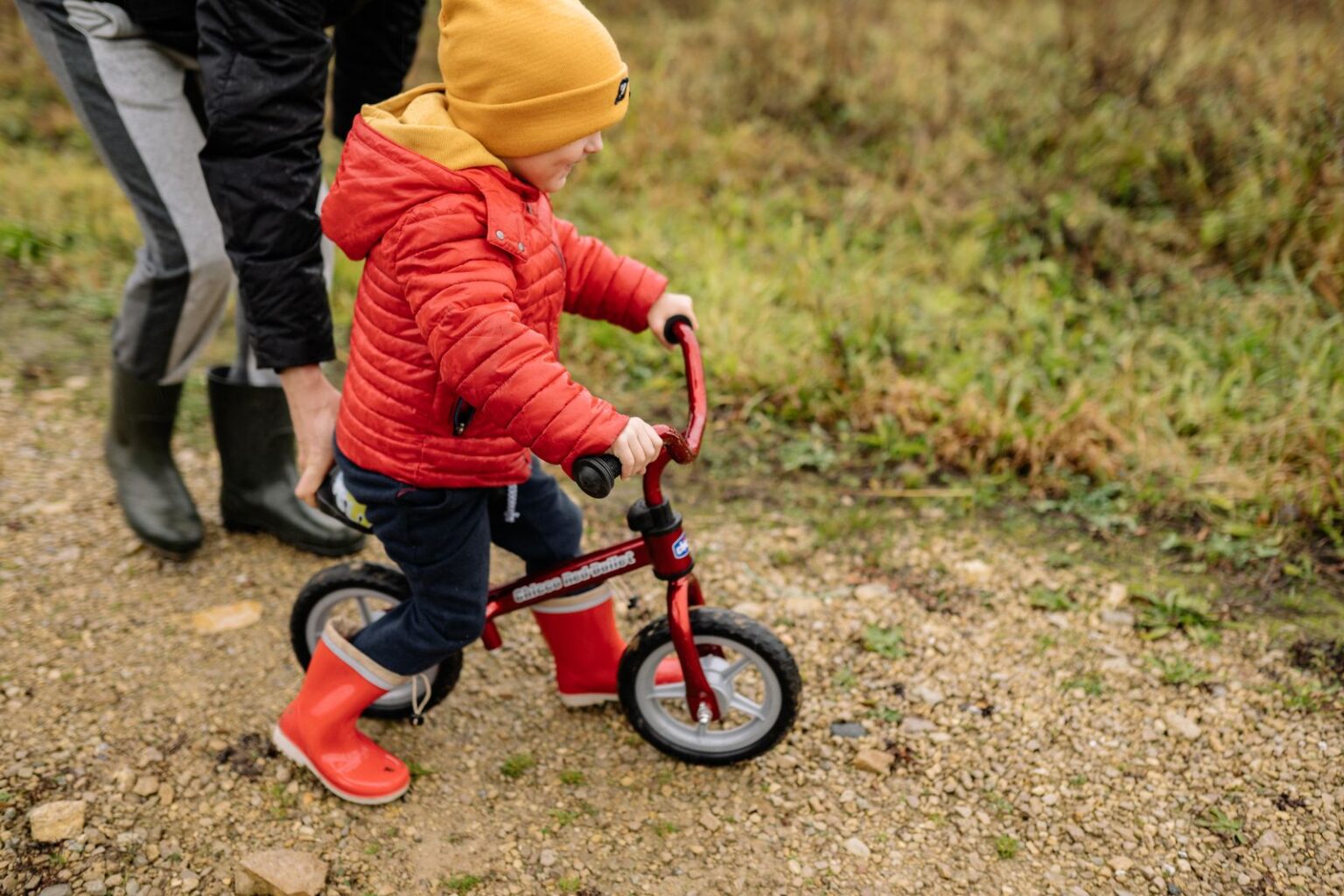
A balance bike has no pedals, so kids scoot along with their feet and learn to balance first. Many children who start on one skip training wheels entirely when they move to a pedal bike. They suit roughly ages 2 to 4. To pick the right size, measure your child's inseam: they should be able to sit on the saddle with both feet flat on the ground and knees slightly bent. Look for a light frame (heavy bikes are hard for small kids to control), adjustable seat, and puncture-proof tyres. Always add a properly fitted helmet. Strider is a well-known balance bike brand, and woom makes light balance and pedal bikes.
2. A Sandbox
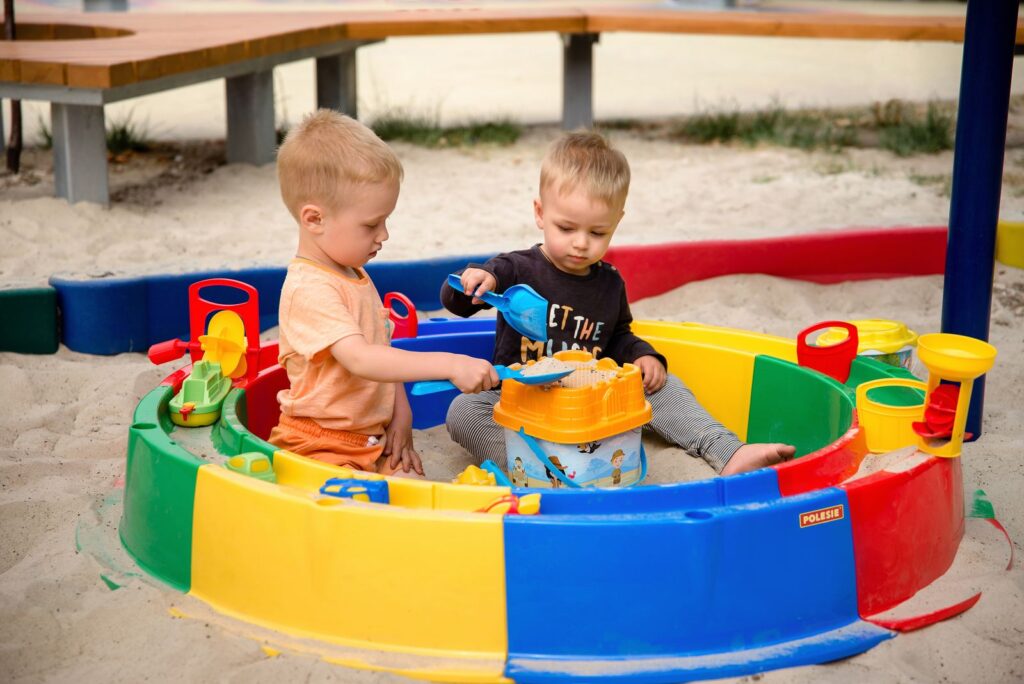
A sandbox offers hours of digging, pouring, building and burying, and it works for toddlers right up to early school age. Plastic sandboxes with lids are easy to set up, while a wooden frame suits a bigger backyard. Look for a lid or cover to keep out rain, leaves and neighbourhood cats, and play sand labelled for children's use. Add a few buckets, spades and a dump truck. Size tip: bigger is better if two kids will play together. Safety tip: supervise young toddlers, who may put sand in their mouths. Step2 makes plastic sandboxes with lids.
3. A Water Table
A water table is a waist-high tub with cups, wheels and spouts, and it's one of the best summer toys for toddlers. It encourages pouring, splashing and a lot of happy mess. Look for a height your child can reach comfortably, a drain plug for emptying, and a sturdy base. Many have a water side and a sand side. Always supervise water play, even in a shallow table, and empty the water after every use. The AAP has helpful water safety guidance for young children. Step2 sells a wide range of water tables.
Outdoor Toys for Ages 4 to 5
Preschoolers want speed, independence and a bit of a challenge. This is the age when many kids go from wobbly to confident on wheels, so gear that grows with them is worth the money.
4. A Three-Wheel Kick Scooter
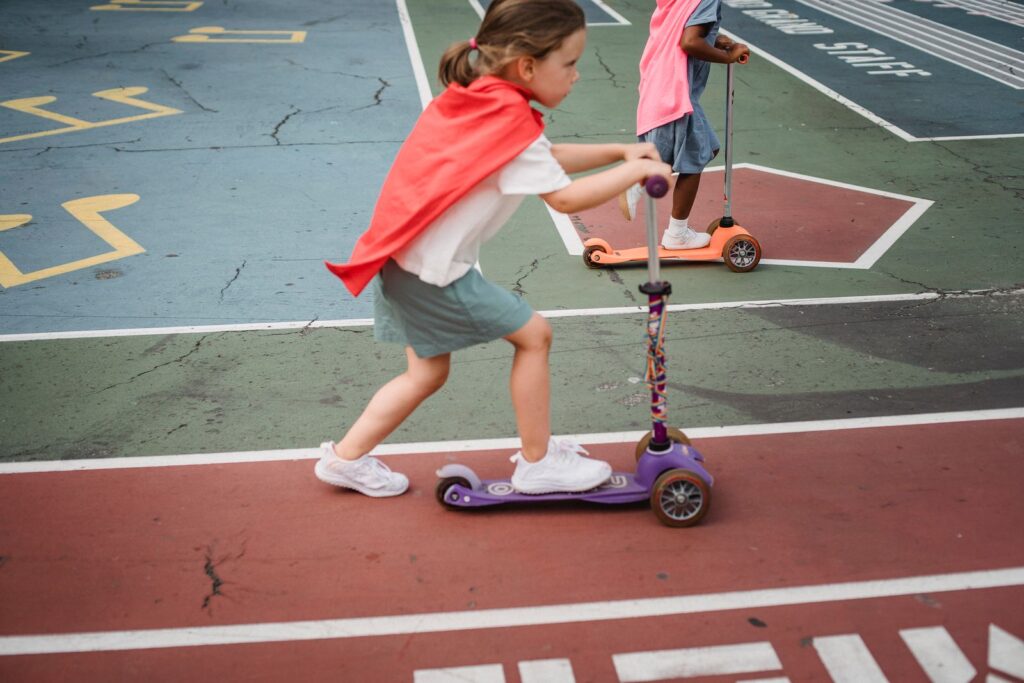
A three-wheel scooter, with two wheels at the front, is much more stable than a two-wheeler, which makes it a good first scooter for ages 3 to 5. Kids steer by leaning, which helps them build balance and coordination. To pick the right size, check the handlebar height: it should reach roughly between your child's waist and chest, and adjustable handlebars let the scooter grow with them. Look for a wide, low deck and a rear brake. Always add a helmet. Micro Kickboard makes popular lean-to-steer scooters.
5. A First Pedal Bike
Most kids move to a pedal bike between ages 4 and 6, especially after a balance bike. Size by wheel diameter and inseam rather than age: your child should be able to touch the ground with the balls of both feet while seated. A light bike makes a huge difference, since many cheap kids' bikes weigh nearly half as much as the child. Look for hand brakes sized for small hands, a low step-through frame, and a chain guard. Always add a helmet. woom and Guardian Bikes are known for lightweight kids' bikes.
6. Bubble Machines and Giant Bubble Wands
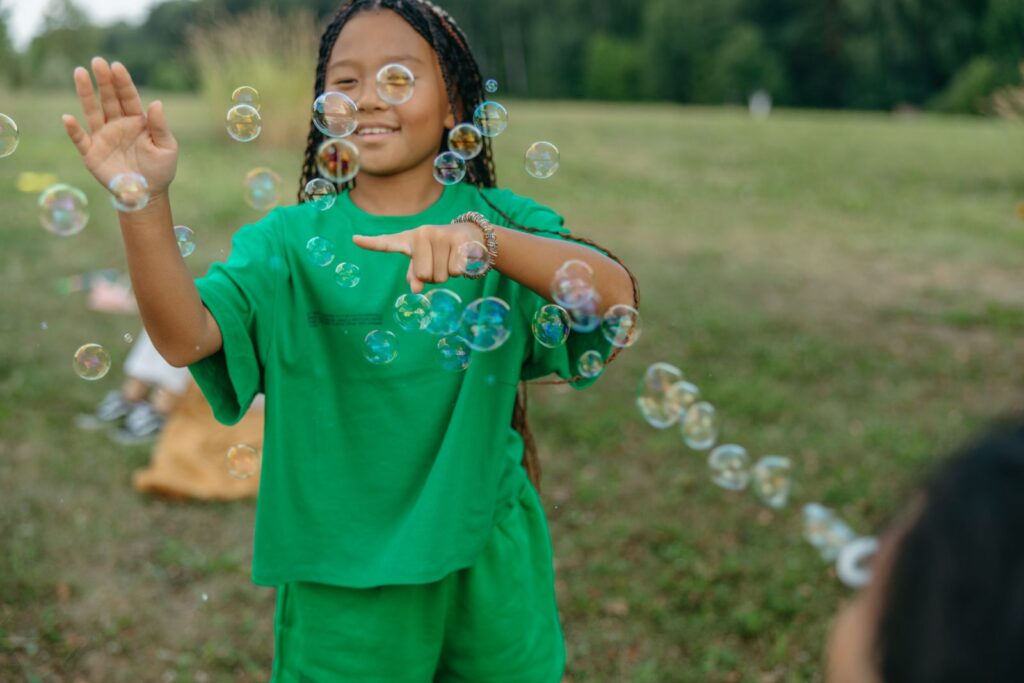
Bubbles are pure joy for preschoolers, who spend happy minutes chasing, popping and trying to catch them. A bubble machine blows a steady stream so your arms don't get tired, while giant bubble wands make big wobbly bubbles that impress even older kids. Look for a battery-operated machine with a stable base and a no-spill solution tray. Buy solution in a large refill bottle, since it runs out fast. Safety tip: bubble solution isn't meant to be drunk, so supervise younger kids and wipe up slippery patches on decks and paths.
Outdoor Toys for Ages 6 to 8
School-age kids are ready for faster wheels, games with rules and toys they can use with friends. They also start wanting to ride further, so this is the time to practise road awareness together.
7. A Two-Wheel Scooter
Older kids usually move to a two-wheel kick scooter, which is faster and more nimble. It's a great way to get to school, the park or a friend's house. Choose a scooter with an adjustable handlebar (roughly waist to chest height), a sturdy deck, and a reliable rear brake. Larger wheels roll more smoothly over bumpy pavements. Always use a helmet, and consider knee and elbow pads for beginners. Practise braking and stopping on quiet paths before heading anywhere near traffic. Micro Kickboard makes two-wheel scooters for older kids.
8. A Kite
A kite is cheap, portable and a real thrill when it finally catches the wind. Single-line kites like deltas and diamonds are easiest for beginners aged 6 to 8, while dual-line stunt kites suit older kids. Look for a kite labelled for beginners, with a sturdy frame and plenty of line on a handle. Fly it in open spaces away from roads, trees and power lines, and choose a day with steady, moderate wind. The drawback: a gusty day can end with the kite in a tree. That's part of the story.
9. A Backyard Sports Set
A pop-up soccer goal, a basketball hoop or a simple set of cones and balls gets kids running and inventing their own games. For ages 6 to 8, choose sets sized for kids: smaller goals, adjustable hoop heights and lighter balls. Look for goals that fold away, and weighted bases for hoops so they don't tip over. Size tip: measure your yard before buying, since some goals are bigger than expected. Safety tip: anchor tall equipment properly, and check it regularly for loose parts. Most sports retailers carry kids' sets.
Helmets and Supervision
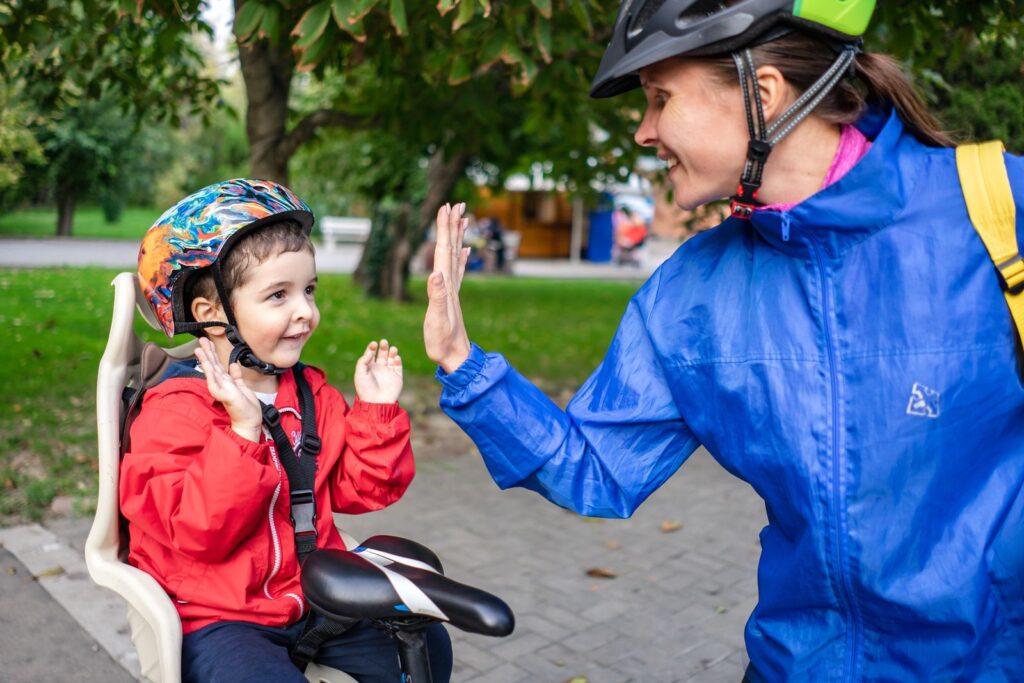
For bikes, balance bikes and scooters, a properly fitted helmet is the most important piece of gear. A helmet should sit level on the head, cover the forehead, and fit snugly with the strap buckled. The American Academy of Pediatrics explains how to choose and fit a bicycle helmet. Replace a helmet after any crash or once it no longer fits. Supervise younger children closely near roads, driveways and water, and keep sunscreen and water handy using AAP sun safety tips.
Storing and Caring for Outdoor Gear
Outdoor toys last much longer with a little care. Store bikes and scooters out of the rain, in a shed, garage or under a cover, so chains and bearings don't rust. Check tyre pressure, brakes and handlebar clamps every few weeks, especially before a growth spurt means adjusting the seat. Cover the sandbox after every use, and rake it now and then to keep it fresh. Empty and dry the water table so it doesn't collect algae. At the end of each season, go through everything together, pass on what's been outgrown, and note what needs replacing before next spring.
What to Buy First
If you're starting from scratch, match the first purchase to your child's age. For ages 2 to 3, a balance bike and a helmet offer the most long-term value, with a water table as a summer bonus. For ages 4 to 5, a three-wheel scooter or a first pedal bike (plus helmet). For ages 6 to 8, a two-wheel scooter or a kite and a ball will get them out the door. Buy the helmet first, then add one piece at a time. Second-hand bikes and scooters are often a great deal, since kids outgrow them fast, but check brakes, tyres and frames carefully, and always buy the helmet new so you know its history. Most of all, go outside with them when you can. Kids play longer when someone they love is out there too.